Dulaglutide in India — weekly GLP-1 explained
Short answer
Dulaglutide is a CDSCO-approved once-weekly GLP-1 receptor agonist in the same drug class as semaglutide and liraglutide—not a separate supplement category. Monthly costs often sit in a similar rupee band to semaglutide depending on dose and sourcing. Physicians choose molecules based on individual response, tolerance, cardiovascular history, and affordability—not social-media brand rankings.
What is dulaglutide in the GLP-1 drug class?
Dulaglutide is a GLP-1 receptor agonist administered once weekly by subcutaneous injection pen—sharing mechanism with semaglutide and liraglutide but with distinct pharmacokinetics and trial data. CDSCO approves specified diabetes and weight-management indications under physician supervision. It is Schedule H—not over-the-counter—and must be sourced from licensed pharmacies with valid prescriptions matching dispensed inserts. Always consult a qualified endocrinologist, internal medicine specialist, or cardiologist for personalised decisions. Kesho provides drug-class education only—not prescribing advice. Verify CDSCO approval and Schedule H prescriptions at licensed Indian pharmacies before every refill. RSSDI and ICMR guidance emphasise structured lifestyle support alongside pharmacotherapy for South Asian metabolic risk. Document HbA1c, waist circumference, and weight trends for follow-up visits in metro and tier-2 Indian practice.
How does weekly dulaglutide dosing work?
Patients inject subcutaneously once weekly on a consistent schedule with gradual titration to reduce nausea—similar RSSDI-aligned escalation principles as semaglutide. Rotate abdomen, thigh, and arm sites; use new needles each time. Store unopened pens refrigerated at 2–8°C; follow in-use room temperature limits on labels during Indian summer heat and travel. Always consult a qualified endocrinologist, internal medicine specialist, or cardiologist for personalised decisions. Kesho provides drug-class education only—not prescribing advice. Verify CDSCO approval and Schedule H prescriptions at licensed Indian pharmacies before every refill. RSSDI and ICMR guidance emphasise structured lifestyle support alongside pharmacotherapy for South Asian metabolic risk. Document HbA1c, waist circumference, and weight trends for follow-up visits in metro and tier-2 Indian practice.
How do costs compare with semaglutide and tirzepatide?
Dulaglutide monthly quotes often fall in a band comparable to semaglutide—roughly ₹8,000–₹18,000 depending on dose, city tier, and generic versus innovator dynamics—while tirzepatide remains premium. Budget consultations, quarterly HbA1c labs, and sharps disposal alongside pen prices. Affordability discussions belong at initiation across twenty-four-month horizons. Always consult a qualified endocrinologist, internal medicine specialist, or cardiologist for personalised decisions. Kesho provides drug-class education only—not prescribing advice. Verify CDSCO approval and Schedule H prescriptions at licensed Indian pharmacies before every refill. RSSDI and ICMR guidance emphasise structured lifestyle support alongside pharmacotherapy for South Asian metabolic risk. Document HbA1c, waist circumference, and weight trends for follow-up visits in metro and tier-2 Indian practice.
What cardiovascular trial context informs prescribing?
Dulaglutide cardiovascular outcome trial data supports use in established cardiovascular disease alongside diabetes in specialist pathways—individual prescribing integrates RSSDI algorithms with patient comorbidities. It does not replace statins, blood pressure control, or lifestyle fundamentals. Cardiologist and endocrinologist co-management is common in metro Indian practice. Always consult a qualified endocrinologist, internal medicine specialist, or cardiologist for personalised decisions. Kesho provides drug-class education only—not prescribing advice. Verify CDSCO approval and Schedule H prescriptions at licensed Indian pharmacies before every refill. RSSDI and ICMR guidance emphasise structured lifestyle support alongside pharmacotherapy for South Asian metabolic risk. Document HbA1c, waist circumference, and weight trends for follow-up visits in metro and tier-2 Indian practice.
Can patients switch between dulaglutide and semaglutide?
Physicians may supervise switches between GLP-1 class members when tolerance, affordability, or targets warrant—never overlap doses without orders. Washout or direct-switch protocols vary; carry complete prescription history to consultations. Generic semaglutide expansion may influence switch discussions when costs diverge. Always consult a qualified endocrinologist, internal medicine specialist, or cardiologist for personalised decisions. Kesho provides drug-class education only—not prescribing advice. Verify CDSCO approval and Schedule H prescriptions at licensed Indian pharmacies before every refill. RSSDI and ICMR guidance emphasise structured lifestyle support alongside pharmacotherapy for South Asian metabolic risk. Document HbA1c, waist circumference, and weight trends for follow-up visits in metro and tier-2 Indian practice.
What side effects should Indian patients expect?
Nausea, bloating, constipation, and occasional diarrhoea peak during titration weeks—manage with smaller meals and hydration during summer heat. Thyroid MTC/MEN2 contraindications and pancreatitis precautions apply as with all GLP-1 receptor agonists. Report severe abdominal pain promptly. Always consult a qualified endocrinologist, internal medicine specialist, or cardiologist for personalised decisions. Kesho provides drug-class education only—not prescribing advice. Verify CDSCO approval and Schedule H prescriptions at licensed Indian pharmacies before every refill. RSSDI and ICMR guidance emphasise structured lifestyle support alongside pharmacotherapy for South Asian metabolic risk. Document HbA1c, waist circumference, and weight trends for follow-up visits in metro and tier-2 Indian practice.
How does dulaglutide combine with other diabetes medicines?
Metformin and SGLT2 inhibitor pairings occur under RSSDI pathways; sulfonylurea and insulin doses may need hypoglycaemia monitoring. Disclose ayurvedic supplements at every visit. Never add companion agents without physician coordination in elderly polypharmacy patients. Always consult a qualified endocrinologist, internal medicine specialist, or cardiologist for personalised decisions. Kesho provides drug-class education only—not prescribing advice. Verify CDSCO approval and Schedule H prescriptions at licensed Indian pharmacies before every refill. RSSDI and ICMR guidance emphasise structured lifestyle support alongside pharmacotherapy for South Asian metabolic risk. Document HbA1c, waist circumference, and weight trends for follow-up visits in metro and tier-2 Indian practice.
What CDSCO verification steps apply before purchase?
Match prescription molecule to package insert manufacturer and batch; reject grey-market pens without Schedule H documentation. CDSCO March 2026 advisory intensified unauthorized GLP-1 enforcement—verify quarterly as approved lists expand. Telemedicine prescriptions are valid when clinically appropriate with complete records. Always consult a qualified endocrinologist, internal medicine specialist, or cardiologist for personalised decisions. Kesho provides drug-class education only—not prescribing advice. Verify CDSCO approval and Schedule H prescriptions at licensed Indian pharmacies before every refill. RSSDI and ICMR guidance emphasise structured lifestyle support alongside pharmacotherapy for South Asian metabolic risk. Document HbA1c, waist circumference, and weight trends for follow-up visits in metro and tier-2 Indian practice.
Where is broader GLP-1 drug-class context on Kesho?
Our GLP-1 explained India guide situates dulaglutide alongside semaglutide, liraglutide, tirzepatide, and oral options with references. This landing captures dulaglutide-specific search intent without brand promotion. Pair with cost and safety guides before pharmacy visits. Always consult a qualified endocrinologist, internal medicine specialist, or cardiologist for personalised decisions. Kesho provides drug-class education only—not prescribing advice. Verify CDSCO approval and Schedule H prescriptions at licensed Indian pharmacies before every refill. RSSDI and ICMR guidance emphasise structured lifestyle support alongside pharmacotherapy for South Asian metabolic risk. Document HbA1c, waist circumference, and weight trends for follow-up visits in metro and tier-2 Indian practice.
Quick questions
Is Dulaglutide in India information on Kesho medical advice?
Where is the full guide?
What is the short answer on dulaglutide in india?
Related guides
 Basics
Semaglutide in India: A Complete Patient Guide
Semaglutide has become one of the most discussed GLP-1 receptor agonists in India—for both blood sugar control and weight management. Whether you have heard about it from your diabetologist or read about generic versions entering the market, understanding the drug class (not just brand names) helps you make informed decisions with your doctor. This guide covers forms, dosing, costs, safety, and what CDSCO, RSSDI, and ICMR guidance mean for Indian patients considering or already using this molecule within the broader GLP-1 family. Generic competition, oral versus injectable choices, and out-of-pocket budgeting make 2026 a pivotal year for patients navigating this medicine responsibly under Schedule H rules.
Read guide → Basics
Semaglutide vs Tirzepatide: Comparing GLP-1 Class Options
Both semaglutide and tirzepatide belong to the incretin therapy family but work differently. This comparison helps Indian patients understand drug-class differences—not choose a winner on their own. Whether your doctor mentioned "upgrading" therapy, you saw trial headlines online, or a family member swears by one injection over another, the ethical starting point is shared decision-making grounded in your labs, comorbidities, and budget. Cost, generic access, and RSSDI treatment pathways make molecule selection a medical and financial conversation in 2026 India. Trial averages inform specialists; your kidneys, heart, thyroid history, and monthly rupees determine the right choice for you—not influencer rankings or pharmacy marketing alone. This guide compares mechanisms, trial evidence, titration, side effects, and Indian market pricing without endorsing either molecule.
Read guide →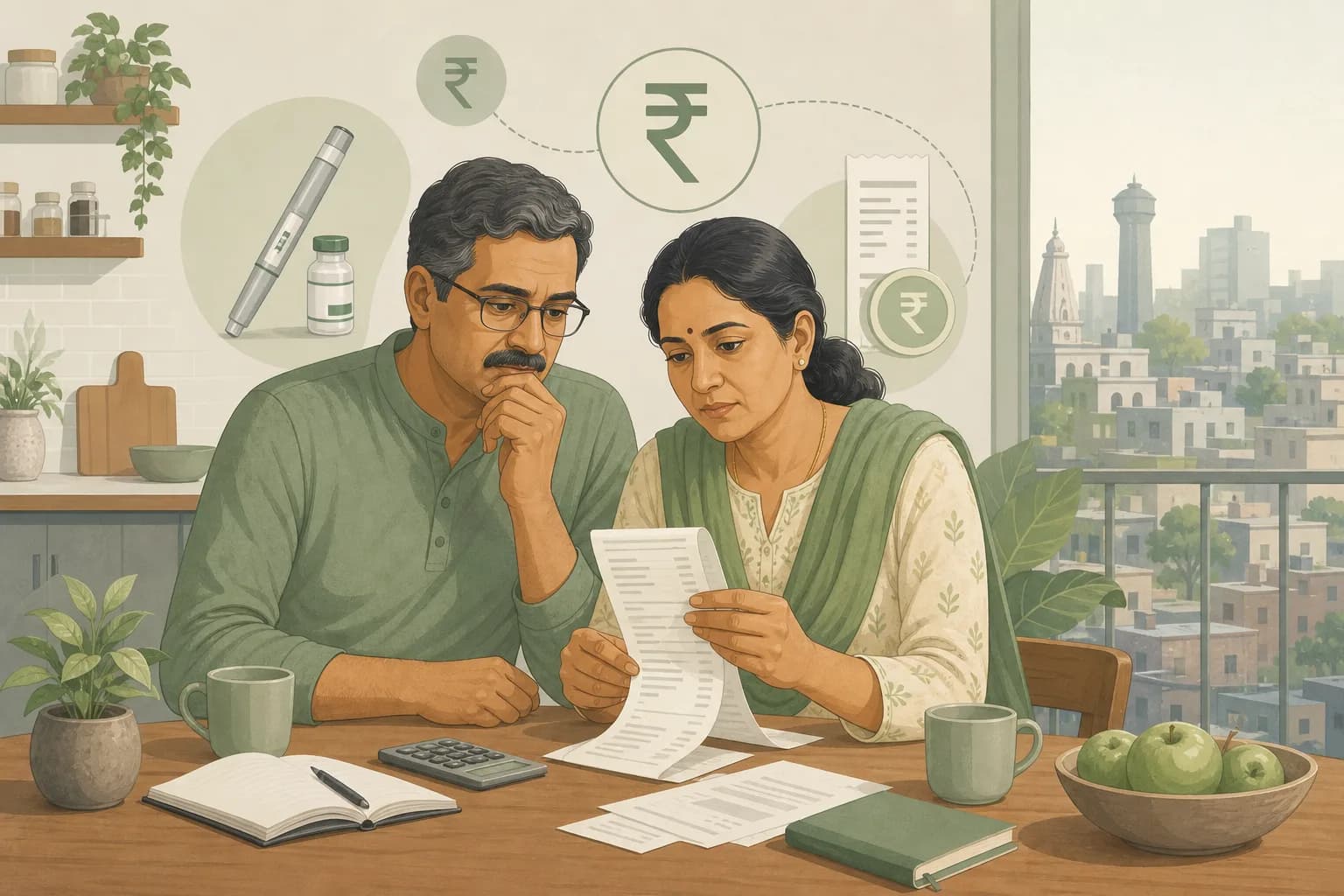 India Access
GLP-1 Cost in India (2026): What Patients Actually Pay
Cost is often the deciding factor for Indian families considering GLP-1 therapy. Prices vary by city, pharmacy, molecule, and whether you choose innovator or CDSCO-approved generic semaglutide. This guide breaks down realistic 2026 expenses—including hidden costs insurers ignore, titration-phase budgeting, and employer benefit limitations—so you can plan with your doctor, not chase misleading online deals that CDSCO has repeatedly warned against. Sustainable therapy requires honest maths: multiply monthly quotes by twenty-four before your first prescription, not just the first month's titration dose.
Read guide →
Medically reviewed
Dr. Ananya Mehta, MD, DM Endocrinology
Consultant Endocrinologist, India
This article has been reviewed by our medical advisory team, including endocrinologists, internal medicine specialists, and cardiologists, and is based on current scientific evidence and Indian clinical guidelines. Last reviewed: June 2026.
Last medically reviewed: Jun 15, 2026