GLP-1 guides
Medically reviewed articles on drug classes, Indian guidelines, safety, nutrition, and doctor-ready questions.
 Basics
GLP-1 Explained: A Complete Guide for Indian Patients
If you have heard about semaglutide or tirzepatide and wondered whether they are right for you, you are not alone. GLP-1 receptor agonists have changed how doctors approach type 2 diabetes and obesity worldwide—and India is no exception. This guide explains what GLP-1 medications are, how they work in the body, and what matters specifically for Indian patients navigating access, cost, and safety under RSSDI, ICMR, and CDSCO frameworks. Whether you are newly diagnosed with type 2 diabetes, managing central obesity with normal-range BMI, or supporting a family member exploring options, understanding the drug class—not brand marketing—is the foundation for productive medical conversations. South Asian patients face unique metabolic patterns, lower insurance coverage, and growing generic access that make drug-class literacy more valuable than ever in 2026.
Read guide → Basics
Semaglutide in India: A Complete Patient Guide
Semaglutide has become one of the most discussed GLP-1 receptor agonists in India—for both blood sugar control and weight management. Whether you have heard about it from your diabetologist or read about generic versions entering the market, understanding the drug class (not just brand names) helps you make informed decisions with your doctor. This guide covers forms, dosing, costs, safety, and what CDSCO, RSSDI, and ICMR guidance mean for Indian patients considering or already using this molecule within the broader GLP-1 family. Generic competition, oral versus injectable choices, and out-of-pocket budgeting make 2026 a pivotal year for patients navigating this medicine responsibly under Schedule H rules.
Read guide →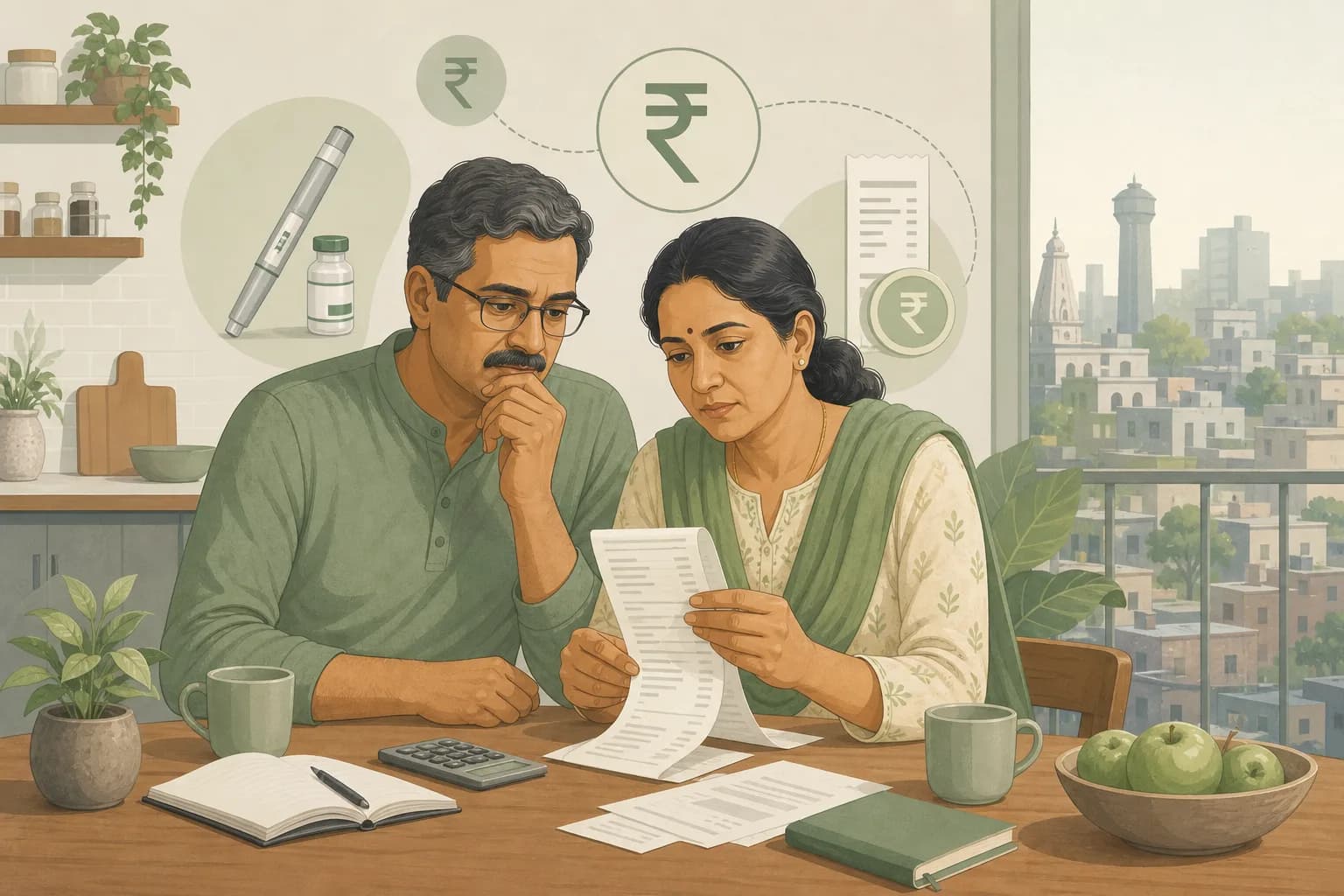 India Access
GLP-1 Cost in India (2026): What Patients Actually Pay
Cost is often the deciding factor for Indian families considering GLP-1 therapy. Prices vary by city, pharmacy, molecule, and whether you choose innovator or CDSCO-approved generic semaglutide. This guide breaks down realistic 2026 expenses—including hidden costs insurers ignore, titration-phase budgeting, and employer benefit limitations—so you can plan with your doctor, not chase misleading online deals that CDSCO has repeatedly warned against. Sustainable therapy requires honest maths: multiply monthly quotes by twenty-four before your first prescription, not just the first month's titration dose.
Read guide → Safety
GLP-1 Side Effects and Safety: What Indian Patients Should Know
Nausea headlines every GLP-1 discussion—but safety is broader than stomach upset. Understanding common versus serious side effects helps Indian patients tolerate titration, know when to call their doctor, and separate social-media myths from evidence-based precautions aligned with CDSCO labels and RSSDI practice. This guide covers gastrointestinal effects, rare complications, drug interactions with common diabetes tablets, and practical strategies for festivals, travel, and caregiving in multigenerational households. Prepared patients complete titration more often and report better long-term satisfaction with incretin therapy under physician supervision and licensed pharmacy sourcing.
Read guide →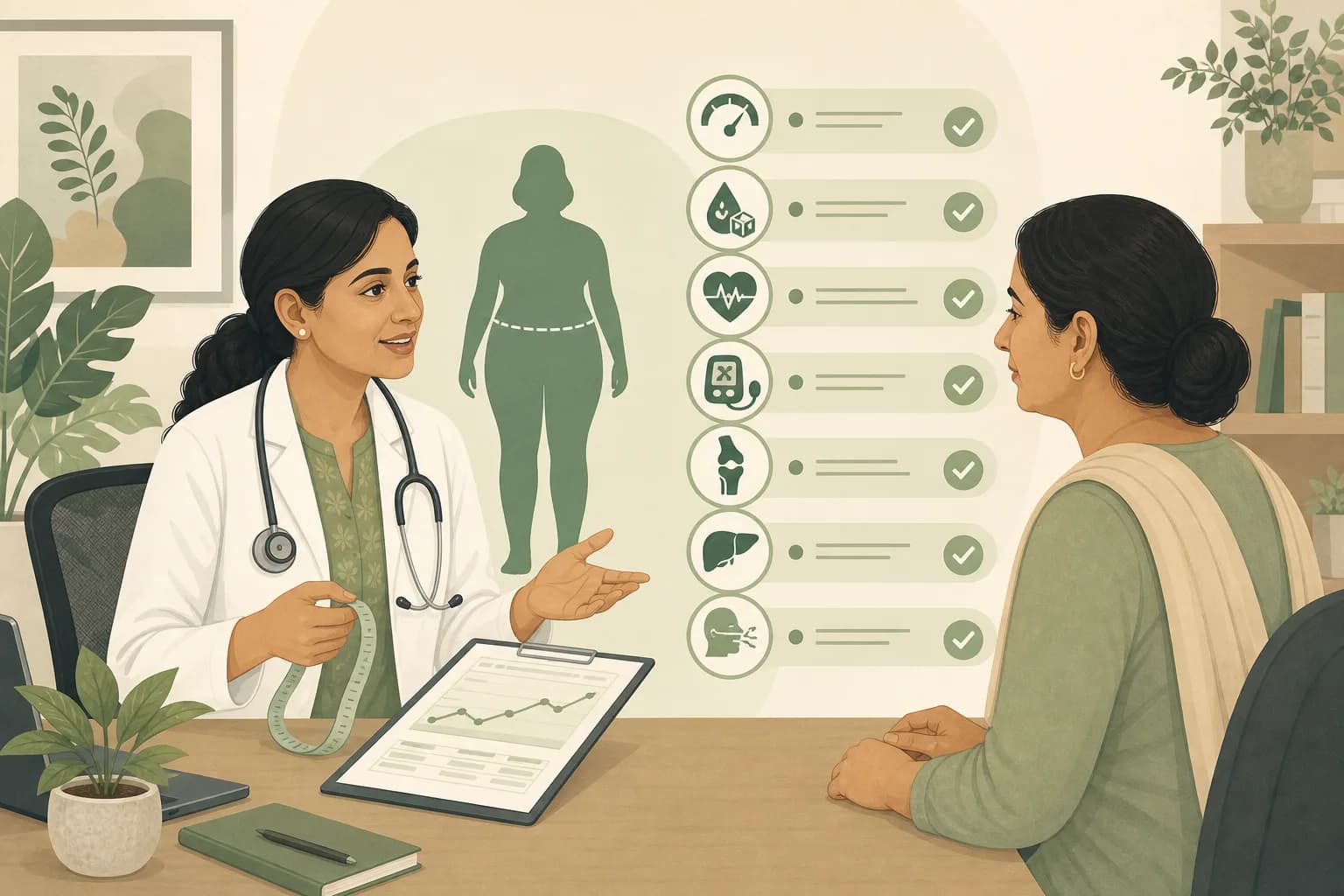 Doctor Guide
Who Qualifies for GLP-1 Therapy in India?
Eligibility for GLP-1 therapy is not a simple BMI checklist. Indian guidelines from ICMR and RSSDI account for earlier metabolic risk in South Asian populations—the thin-fat phenotype, central obesity, and family history of diabetes at younger ages. This article explains the criteria doctors use so you can prepare for an informed consultation, understand why you may have been declined, and avoid self-diagnosing or relying on prescription guarantees from unregulated sellers. Documentation and honest lifestyle history matter as much as the number on your weighing scale. Whether you pursue diabetes or obesity indication pathways, contraindication screening and CDSCO Schedule H rules apply equally nationwide.
Read guide → Nutrition
Nutrition on GLP-1 Therapy: An India-Focused Guide
GLP-1 medications reduce appetite—but what you eat still determines muscle preservation, nutrient adequacy, and long-term metabolic health. This guide adapts nutrition principles to everyday Indian kitchens, from dal-chawal to office tiffins, festival thalis, and late-night cravings. Whether you are newly starting dose titration or months into therapy, understanding how GLP-1 receptor agonists interact with Indian dietary patterns helps you partner with your doctor and dietitian rather than relying on medication alone. RSSDI positions medical nutrition therapy as essential alongside pharmacotherapy—not optional.
Read guide → Basics
Semaglutide vs Tirzepatide: Comparing GLP-1 Class Options
Both semaglutide and tirzepatide belong to the incretin therapy family but work differently. This comparison helps Indian patients understand drug-class differences—not choose a winner on their own. Whether your doctor mentioned "upgrading" therapy, you saw trial headlines online, or a family member swears by one injection over another, the ethical starting point is shared decision-making grounded in your labs, comorbidities, and budget. Cost, generic access, and RSSDI treatment pathways make molecule selection a medical and financial conversation in 2026 India. Trial averages inform specialists; your kidneys, heart, thyroid history, and monthly rupees determine the right choice for you—not influencer rankings or pharmacy marketing alone. This guide compares mechanisms, trial evidence, titration, side effects, and Indian market pricing without endorsing either molecule.
Read guide → Doctor Guide
How to Talk to Your Doctor About GLP-1 Therapy in India
A fifteen-minute consultation goes further when you arrive prepared. Whether you are exploring GLP-1 therapy for diabetes, obesity, or both, these conversation frameworks help Indian patients partner with their doctors—not demand prescriptions. Good preparation respects your doctor's time, reduces repeat visits for missing investigations, and sets realistic expectations about titration, cost, and long-term commitment in a healthcare system where most GLP-1 spending is out of pocket. Drug-class literacy, organised labs, and honest budget discussion are the hallmarks of productive incretin consultations. Avoid unverified telehealth guarantees; seek NMC-registered physicians, CDSCO-approved pharmacies, and scheduled follow-up before your first injection day.
Read guide → Regulatory
CDSCO GLP-1 Advisory Explained: What Indian Patients Should Know
Central Drugs Standard Control Organisation advisories aim to protect Indian patients from counterfeit and unapproved GLP-1 products flooding social media with promises of cheap weight-loss injections. Those warnings can sound alarming if you are legitimately trying to access therapy—but they are not aimed at patients using CDSCO-approved semaglutide from licensed chemists with valid prescriptions. Here is what CDSCO communications actually mean, which channels are high risk, and how to stay compliant while pursuing legitimate metabolic care.
Read guide →RegulatoryHow to Verify a CDSCO-Approved GLP-1 Drug in India
With generic semaglutide demand surging across Indian metros, counterfeit and degraded products circulate alongside legitimate CDSCO-approved stock. Verification is not paranoia—it is the difference between effective therapy and months of wasted money with unchanged HbA1c or weight. These step-by-step checks help Indian patients confirm medicine legitimacy before injecting, whether you use innovator pens or approved generics from licensed pharmacies.
Read guide →BasicsOral Semaglutide in India: What Patients Should Know
Not everyone wants weekly injections. Oral semaglutide brings GLP-1 receptor agonist therapy to a daily tablet—with strict morning rules that conflict with Indian bed tea, haldi doodh, and early breakfast habits. Understanding absorption requirements, cost reality versus injectable generics, and who truly benefits from tablets versus pens helps you discuss format choice with your endocrinologist rather than assuming pills are easier or cheaper by default.
Read guide →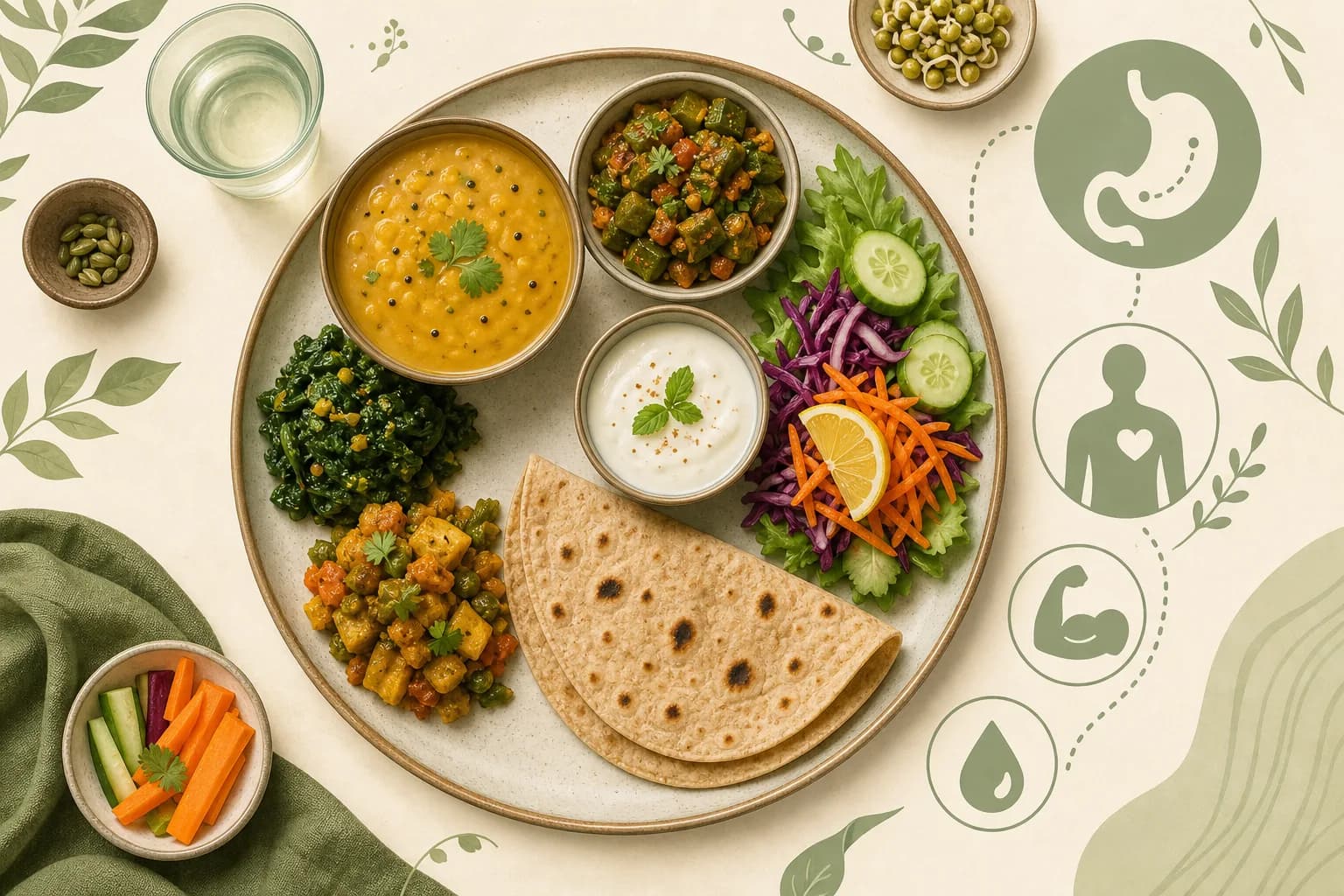 Nutrition
GLP-1 and Indian Vegetarian Diet: A Practical Guide
Most Indian vegetarians rely on rice, roti, and dal—but GLP-1 therapy demands higher protein density per meal because appetite suppression makes under-eating effortless. Without planning, vegetarians lose muscle, develop fatigue, and regain weight faster if medication stops. This guide maps familiar staples—paneer, millets, moong, curd—to sustainable metabolic health during incretin therapy, festival seasons, and Jain or lacto-vegetarian dietary patterns.
Read guide → Safety
GLP-1 and Thyroid Health: What Indian Patients Should Know
Thyroid warnings on GLP-1 labels worry many Indian patients scrolling through side-effect lists before their first injection. This article separates regulatory precautions from proven human risk—and explains what it means if you have hypothyroidism, thyroid nodules, or family cancer history. Understanding MTC and MEN2 contraindications helps you have productive conversations with your endocrinologist rather than refusing beneficial therapy based on misunderstood label language.
Read guide → Lifestyle
Weight Regain After GLP-1 Therapy: Why It Happens and What Helps
GLP-1 medicines are not lifetime guarantees. Many patients regain one-third to two-thirds of lost weight within a year of stopping—even those who succeeded during therapy. Understanding why regain happens physiologically and socially in Indian contexts helps you plan maintenance rather than panic when the scale creeps upward. This guide covers trial evidence, festival-season challenges, muscle preservation, and when continued therapy makes clinical sense despite cost.
Read guide → Doctor Guide
GLP-1 vs Bariatric Surgery in India: Comparing Options
Surgery versus medicine is not a popularity contest or Instagram debate—it is a clinical decision based on how much weight you need to lose, what comorbidities you carry, what you can afford over five years, and what risks you accept. Indian guidelines use lower BMI thresholds than Western countries because South Asian patients develop metabolic complications at smaller body sizes. This guide compares GLP-1 receptor agonists and bariatric surgery on outcomes, costs, reversibility, and combined pathways so you enter specialist consultations prepared—not persuaded by one-sided marketing.
Read guide →LifestyleExercise on GLP-1 Therapy: Building Strength While Losing Weight
GLP-1 medicines shrink appetite—but exercise protects muscle, bone, and long-term metabolism. Indian patients on incretin therapy often focus on food changes alone, yet physical activity determines whether weight lost is mostly fat or includes precious lean mass. Here is how to stay active without overdoing it during titration, preserve strength in sarcopenic obesity patterns common in South Asia, and build habits that reduce weight regain if therapy pauses.
Read guide →LifestyleGLP-1 and Alcohol: What Indian Patients Should Know
From wedding toasts to Friday beer after work, alcohol is woven into Indian social life. If you are on GLP-1 therapy for diabetes or obesity, drinking affects your treatment differently than before—nausea intensifies, calories accumulate invisibly, and hypoglycaemia can strike hours after the last sip. Here is how alcohol interacts with incretin medicines, what patients with fatty liver should know, and practical ways to navigate festivals and family gatherings without undermining months of medical progress.
Read guide →LifestyleTravelling on GLP-1 Therapy in India and Abroad
Domestic flights, monsoon train journeys, hill-station road trips, and NRI visits abroad all require planning when your medicine needs refrigeration and a fixed weekly injection day. Indian summer heat, unreliable train cooling, and airport security screening add layers beyond what Western travel guides assume. Whether you use injectable semaglutide or oral tablets, this guide covers packing, cold chain, time zones, and sharps disposal so treatment continues safely away from home.
Read guide →SafetyGLP-1 and Kidney Disease: Safety for Indian Patients
Kidney concerns are common among Indian diabetes patients considering GLP-1 therapy. The relationship is nuanced: large trials now demonstrate potential renal protection in diabetic kidney disease, yet dehydration from titration side effects can temporarily harm kidney function markers. Understanding both sides helps you partner with nephrology and endocrinology teams for safer prescribing, appropriate lab monitoring, and smart combinations with SGLT2 inhibitors that have transformed cardiorenal care in India.
Read guide →SafetyGLP-1 in Pregnancy and Breastfeeding: What to Know
If you are planning pregnancy, actively trying to conceive, or discover you are pregnant while on GLP-1 therapy, immediate medical consultation with both your endocrinologist and obstetrician is essential. These medicines are not approved for use during pregnancy or breastfeeding, and weight-loss pharmacotherapy must give way to fetal safety and maternal glycaemic control through pregnancy-appropriate alternatives. This guide explains regulatory reasoning, washout timelines, and what Indian patients should expect from preconception counselling through postpartum planning.
Read guide → India Access
GLP-1 Insurance Coverage in India: What Patients Can Expect
Patients often assume expensive medicines are insured automatically once they hold a ₹10 lakh or ₹50 lakh health policy. For GLP-1 therapy in India, the default in 2026 remains out-of-pocket—regardless of sum insured. Understanding why coverage is limited, which corporate exceptions exist, and how to document claims when eligible saves months of false hope and financial shock. This guide explains the insurance landscape without promising reimbursement Kesho cannot verify for your specific policy.
Read guide →SafetyGLP-1 and Mental Health: Mood, Anxiety, and Eating Disorders
Weight and mental health intertwine in ways clinical scales cannot fully capture. GLP-1 therapy changes appetite, social eating patterns, and body image—emotional effects deserve attention alongside HbA1c and kilograms. Indian patients face additional cultural pressures when family members comment on appearance after weight loss. This guide explains what research says about mood and GLP-1 medicines, when eating disorder history requires caution, and how to seek integrated care when medication alone is not enough.
Read guide →India AccessGLP-1 Pen Disposal in India: Safe Sharps and Waste Guide
Weekly GLP-1 injections generate sharps waste that most patients never think about until a used needle sits on the bathroom counter. Improper disposal risks sanitation workers, ragpickers, domestic help, and curious children across Indian cities where waste segregation remains inconsistent. Responsible sharps handling is an ethical duty of injectable therapy users—and a legal requirement under biomedical waste rules. Here is how to store, transport, and dispose of GLP-1 pens safely at home, at work, and while travelling.
Read guide →Doctor GuideGLP-1 and Other Diabetes Medicines: Combination Guide
Most Indian type 2 diabetes patients take multiple medicines—metformin, a sulfonylurea, perhaps insulin added over years of progression. GLP-1 receptor agonist therapy rarely replaces everything at once; it layers onto your existing regimen with specific interaction rules, hypoglycaemia considerations, and cardiorenal opportunities. Understanding how GLP-1 combines with metformin, SGLT2 inhibitors, sulfonylureas, and insulin helps you bring an informed medication list to your endocrinologist and recognise warning signs when combinations need adjustment.
Read guide →SafetyIs Semaglutide Safe in India? What Patients Should Know
Semaglutide dominates headlines for weight loss and diabetes control—but safety questions matter as much as results. For Indian patients navigating social-media hype, generic launches, and prescription-only rules, understanding evidence-based safety helps you use this GLP-1 receptor agonist responsibly under medical care.
Read guide →BasicsGLP-1 Injection: How to Use Weekly Pens Safely in India
Weekly injection pens are how most Indian patients take semaglutide, dulaglutide, tirzepatide, and other GLP-1 receptor agonists. Correct technique improves comfort, reduces site reactions, and protects medication potency—especially in homes where refrigeration and sharps disposal need planning.
Read guide →BasicsGLP-1 Results Timeline: What to Expect Week by Week
Social media shows dramatic before-and-after photos in weeks—but GLP-1 receptor agonist therapy in real Indian clinics follows a slower, steadier arc. Understanding the typical timeline helps you tolerate titration, set realistic goals with your doctor, and avoid quitting just before benefits peak.
Read guide →BasicsGLP-1 Without Diabetes in India: Who Can Use It for Weight?
You do not need a diabetes diagnosis to discuss GLP-1 receptor agonist therapy in India—but you do need a medical indication. Obesity pharmacotherapy has entered mainstream endocrinology practice, with Indian BMI thresholds reflecting South Asian metabolic risk. This guide explains who may qualify, what doctors evaluate, and what patients without diabetes should expect.
Read guide →India AccessCheapest GLP-1 Options in India: A Drug-Class Cost Guide
"Cheapest GLP-1" searches spike every month in India—but the answer is not a single product name. Costs differ across the GLP-1 receptor agonist drug class by molecule, formulation, dose, city, and whether you choose CDSCO-approved generics. This guide compares class-level economics so you can discuss value with your doctor, not chase unsafe discounts.
Read guide →India AccessGLP-1 Cost in Mumbai, Delhi & Bengaluru: City Price Guide
Patients in Mumbai, Delhi, and Bengaluru often ask whether GLP-1 receptor agonist therapy costs more in their city. Metro living brings higher consultation fees but also more pharmacy competition, generic availability, and cold-chain infrastructure. This guide breaks down realistic 2026 expenses in India's three largest healthcare markets—without brand rankings, focused on the drug class.
Read guide →SafetyGLP-1 and Kidney Transplant: What Indian Patients Should Know
Kidney transplant recipients who develop diabetes or weight gain face a narrow clinical path—immunosuppressants protect the graft but worsen metabolic health. GLP-1 receptor agonists appear in specialist conversations, but transplant medicine adds layers standard diabetes guides do not cover. This article explains what Indian patients should ask their transplant team.
Read guide →BasicsOral vs Injectable Semaglutide in India: Which Form Fits You?
Semaglutide arrives in Indian clinics as a weekly pen and as a daily tablet—same GLP-1 receptor agonist, very different routines. Patients often ask which form is "better," but the honest answer depends on adherence, lifestyle, clinical goals, and cost in your city—not a universal winner.
Read guide →SafetyGLP-1 and Ayurveda Supplements: Safety Interactions in India
Many Indian patients use GLP-1 receptor agonists alongside Ayurvedic herbs, kadha, or wellness supplements—sometimes without telling their doctor. That silence creates real interaction risk. This guide explains why disclosure matters, which supplement categories warrant caution, and how integrative care can work safely when specialists coordinate.
Read guide →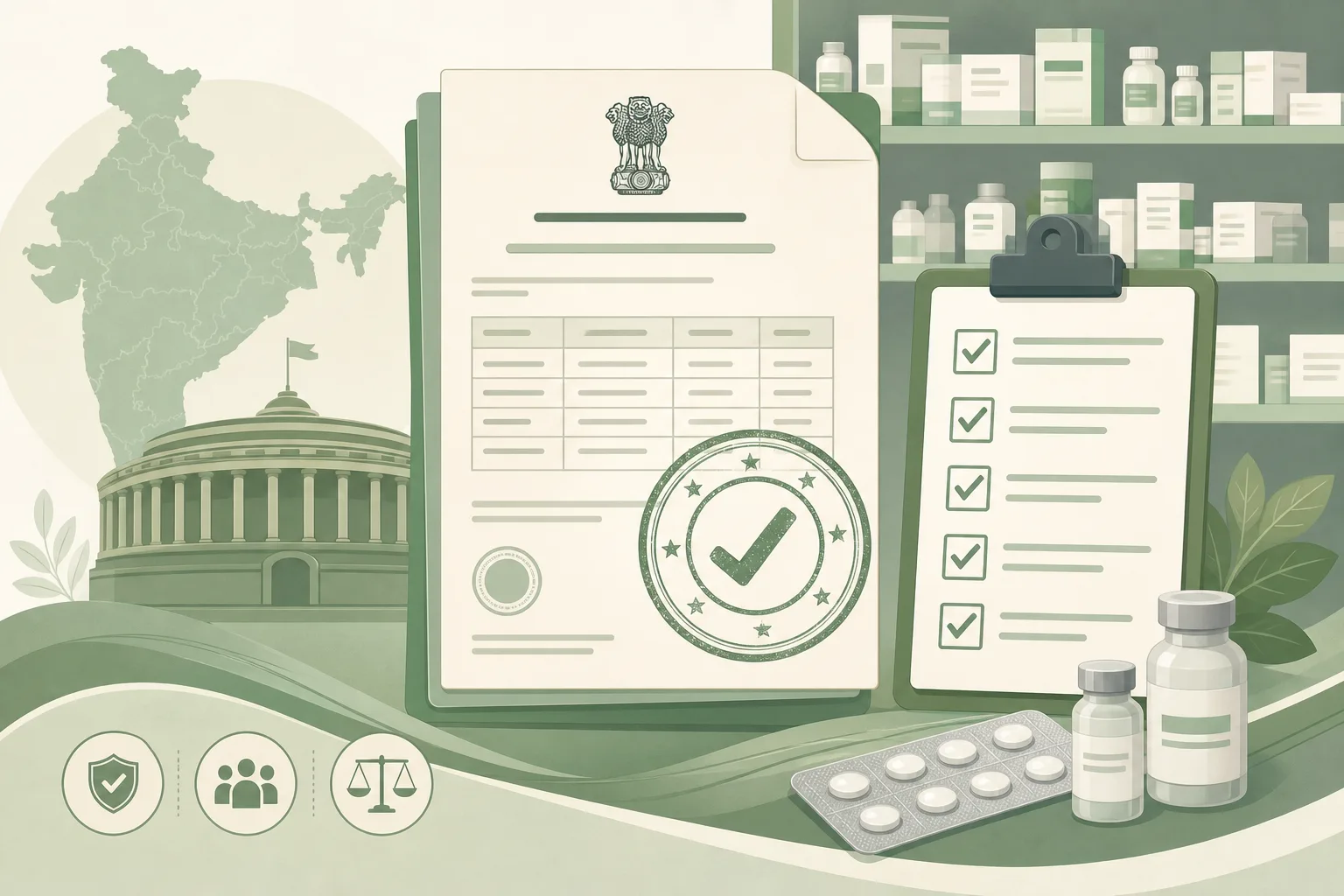 Regulatory
CDSCO-Approved GLP-1 Drugs in India: Drug-Class List Guide
Before you inject or swallow any GLP-1 receptor agonist in India, one question precedes cost and results: Is this product CDSCO-approved? The incretin drug class has expanded rapidly—with innovator pens, oral tablets, generics, and dangerous grey-market copies. This guide maps the regulated landscape without brand rankings so you can verify what your prescription should contain.
Read guide →LifestyleGLP-1 Therapy During Indian Festivals — Diwali, Eid, and Wedding Season
Indian festival season — Diwali, Eid, Navratri, Pongal, weddings — overlaps with GLP-1 titration for many patients. Social pressure to eat heavily conflicts with slowed gastric emptying from incretin therapy. This guide helps you navigate portions, travel, storage, and family conversations without abandoning medical plans or hiding therapy from your prescribing doctor.
Read guide →