GLP-1 and Indian Vegetarian Diet: A Practical Guide
Most Indian vegetarians rely on rice, roti, and dal—but GLP-1 therapy demands higher protein density per meal because appetite suppression makes under-eating effortless. Without planning, vegetarians lose muscle, develop fatigue, and regain weight faster if medication stops. This guide maps familiar staples—paneer, millets, moong, curd—to sustainable metabolic health during incretin therapy, festival seasons, and Jain or lacto-vegetarian dietary patterns.
Jun 15, 2026 · 14 min read
Short answer
Vegetarian Indians on GLP-1 therapy should prioritise protein from dal, paneer, soya, curd, and millets; reduce heavy fried carbs; and eat smaller portions to manage nausea. Medication is compatible with lacto-vegetarian diets under medical guidance.
Key takeaways
- •Indian vegetarian diets often skew high-carb; GLP-1 appetite suppression makes protein under-eating a real risk.
- •Aim for protein at every meal from dal, paneer, curd, soya, and millets—not dal only at dinner.
- •Smaller portions and reduced fried foods help manage GLP-1 nausea during titration.
- •Monitor B12, vitamin D, iron, and zinc with annual labs—deficiency risk rises as intake drops.
- •Festival fasting requires doctor discussion before Navratri or Ekadashi with diabetes medicines.
At a glance (India)
| Protein target (general) | ~1.0–1.2 g/kg body weight daily |
|---|---|
| Key protein sources | Dal, paneer, curd, soya, millets |
| Nausea-friendly approach | Small meals, less fried food, ginger if tolerated |
| Critical micronutrients | B12, vitamin D, iron, zinc |
| Medicine compatibility | GLP-1 is synthetic—not an animal food product |
Unique challenges for vegetarian GLP-1 patients
Indian vegetarian diets often skew high in refined carbohydrates—white rice, maida, potatoes, sabudana—and lower in protein than optimal during active weight loss. GLP-1 medicines suppress appetite, making it easy to feel satisfied after half a thali while under-consuming protein and micronutrients. Without deliberate planning, vegetarians lose disproportionate muscle mass, develop fatigue and hair shedding, and regain weight faster if medication stops because metabolic rate dropped. RSSDI nutrition guidance emphasises adequate protein and fibre regardless of dietary pattern. Vegetarian GLP-1 therapy is medically safe; dietary quality determines whether you lose fat or precious lean tissue. The thin-fat Indian phenotype makes muscle preservation especially important when BMI appears only mildly elevated.
Protein-rich vegetarian Indian foods
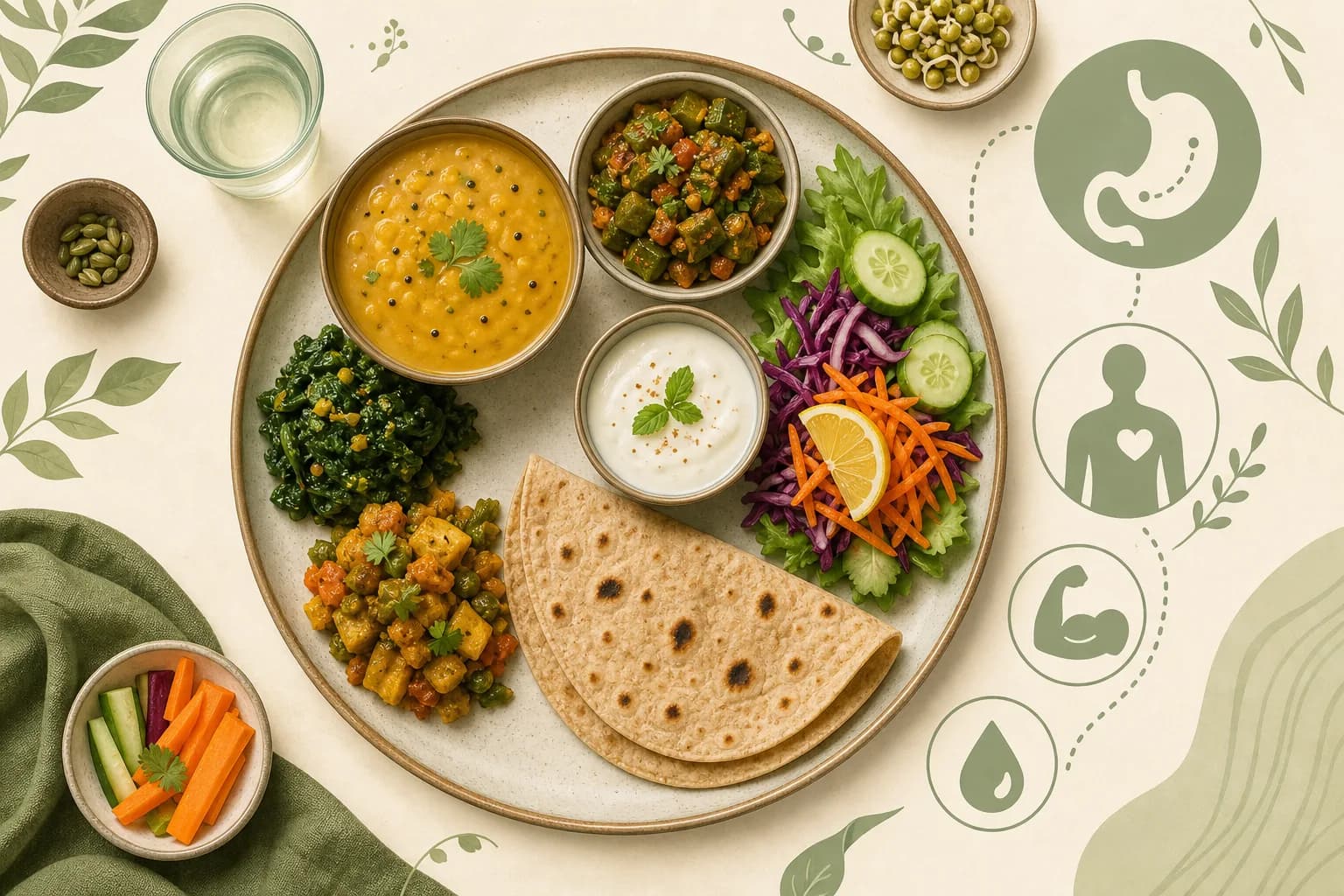
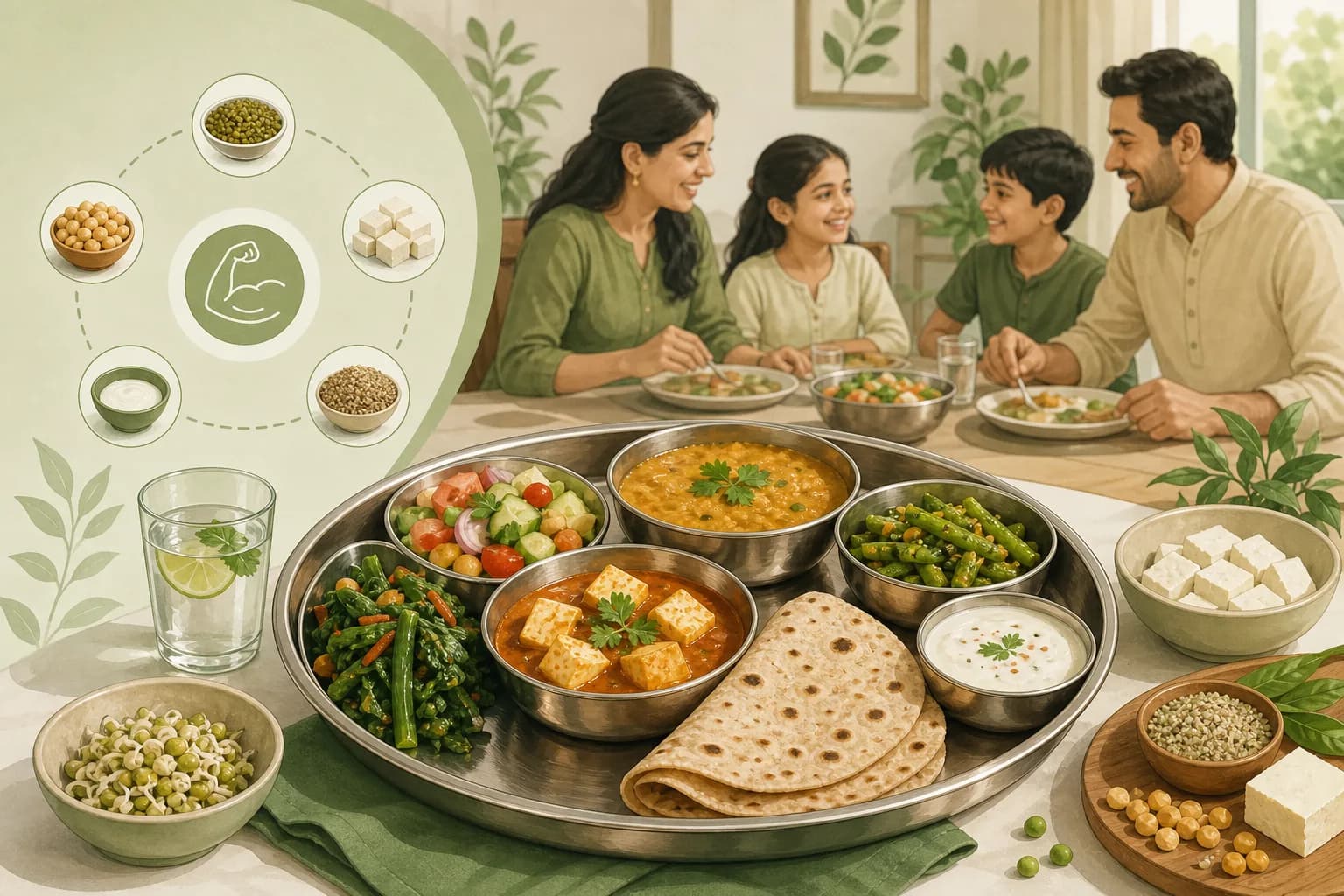
Combine dal varieties—moong, masoor, chana, rajma, urad—with millets or brown rice for more complete amino acid profiles than rice alone. Paneer, low-fat hung curd, buttermilk, and milk add high-quality dairy protein suitable for lacto-vegetarians. Soya chunks, tofu, and tempeh suit those tolerating soya; 50 grams dry soya yields substantial protein. Sprouted moong and chana salads boost protein per bite without heaviness. Nuts and seeds—almonds, flax, pumpkin, peanuts in moderation—provide protein and healthy fats. Aim for visible protein at every meal: dal alone at dinner is insufficient if lunch was carb-heavy chole bhature. Target roughly 1.0–1.2 grams protein per kilogram body weight daily unless kidney disease restricts intake.
Protein content guide (approximate per serving)
| Food | Protein | Notes |
|---|---|---|
| 1 cup cooked dal | 7–9 g | Pair with millet roti |
| 100 g paneer | 18 g | Grilled or bhurji |
| 1 cup Greek-style curd | 10–12 g | Low sugar |
| 50 g soya chunks | 25 g | Soak and cook with spices |
| 2 eggs (ovo-vegetarian) | 12 g | If included in diet |
Sample day of vegetarian meals on GLP-1
Breakfast: moong dal chilla with mint chutney, or vegetable upma with peanuts and curd on side. Mid-morning: roasted chana or a small handful almonds. Lunch: jowar or bajra roti, palak paneer, kachumber salad—half your usual roti count. Evening: buttermilk or lassi without sugar. Dinner: sambar with vegetables and small portion brown rice, or khichdi with extra dal proportion. Avoid deep-fried pakoras, restaurant paneer butter masala, and liquid calories from sweet lassi during titration nausea. Use smaller katoris consciously—visual portion control matters when hunger cues are blunted. Eat slowly; GLP-1 slows gastric emptying and large fast meals worsen bloating.
Micronutrients vegetarians should monitor
Weight loss and reduced total intake increase deficiency risk for vitamin B12, vitamin D, iron, and zinc—already common in Indian vegetarians independent of GLP-1. Annual labs guide supplementation; B12 is critical for strict vegetarians and often requires injection or high-dose oral if deficient. Iron absorption improves with vitamin C sources—lemon on salad, amla. Calcium from milk, ragi, and sesame supports bone health when dairy intake is adequate. Vitamin D supplementation is routine in India given limited sun exposure in office workers. Do not assume multivitamins replace targeted correction of documented deficiencies.
Kesho does not provide personalised diet prescriptions. Consult a clinical dietitian for vegetarian meal plans aligned with your labs, kidney function, and GLP-1 titration phase.
Managing nausea with vegetarian meals
Bland foods—khichdi, plain curd rice, steamed idli without heavy chutney—tolerate better during nausea peaks than fried or spicy restaurant meals. Ginger tea in small amounts may help some patients; others find it acidic. Avoid large raw salad volumes when bloated. Split daily food into four to five small meals rather than two large thalis. Hydrate between meals; oral semaglutide patients must still respect empty-stomach morning rules separately from daytime nausea management.
Restaurant, tiffin, and office canteen practicalities
Office canteen dal-rice plates need extra curd or paneer side order. Restaurant ordering: choose tandoori paneer, dal tadka, and roti over malai kofta and naan baskets. Mumbai tiffin services can be instructed for extra dal portion and reduced rice on request. Travel and wedding buffets challenge portion discipline—survey the table once before filling plate. Protein powder without added sugar may supplement when travel prevents proper meals—confirm kidney status with doctor first.
When supplements help
Whole foods first. Plant protein powders without added sugar may help if protein targets are unmet despite meal planning. B12 and vitamin D supplements are common in Indian vegetarians independent of GLP-1 use—confirm doses with your doctor based on labs, not marketing claims. Iron supplements only when deficient—excess iron harms. Kesho does not endorse specific supplement brands.
South Indian versus North Indian vegetarian patterns
South Indian meals heavy in rice and sambar need extra protein from curd, milk, and egg if ovo-vegetarian. North Indian roti-dal-sabzi patterns may lack protein if dal portion is small. Gujarati thali with multiple carbs benefits from paneer or soya addition. Bengali fish-eating vegetarians during certain days still need protein planning on pure veg days. Regional tailoring with dietitian beats generic national advice.
Eating out and wedding season survival
Restaurant thalis tempt overeating when appetite returns between GLP-1 doses. Order dal, grilled paneer, and salad first; share carb-heavy dishes family-style. Wedding feasts—eat protein and vegetable dishes before visiting mithai counter. Buffets reward plate discipline; walk venue perimeter before filling plate. Nausea days skip fried starters entirely.
Protein at breakfast for vegetarian GLP-1 patients
Indian vegetarian breakfast skews carb-heavy—poha, upma, idli without sambar protein. Add moong chilla, paneer bhurji, or Greek curd bowl to anchor protein early. Breakfast protein reduces muscle loss during day-long caloric deficit from GLP-1 appetite suppression. Fifteen grams protein before 9 AM is practical target for many adults.
Iron and B12 on vegetarian GLP-1
Fatigue during weight loss may reflect micronutrient deficiency rather than medicine side effect alone. Check ferritin and B12 when tired despite adequate sleep. Spinach dal provides iron but absorption needs vitamin C pairing. B12 injection may be necessary for strict vegetarians regardless of GLP-1 status—do not attribute neurological symptoms to diet culture alone.
Building a sustainable GLP-1 care routine in India
For glp 1 indian vegetarian diet, document your questions, side effects, and pharmacy receipts before each follow-up visit.
Practical closing notes for Indian patients
Meal prep on Sunday—soaked dal, boiled chana, paneer cubes—supports protein adequacy during busy work weeks when GLP-1 suppresses appetite and convenience foods tempt. Tiffin services in major metros accept custom protein-forward instructions when communicated clearly.
Long-term continuity of GLP-1 care
Long-term success with GLP-1 receptor agonist therapy in India depends on continuity of care: keep scheduled follow-ups even when feeling well, refill prescriptions before pens expire, and update your physician when pharmacy switches manufacturers or when life events—marriage, pregnancy planning, surgery, new job stress—change your health context. Indian patients who treat GLP-1 as one component of metabolic care rather than a standalone shortcut report better satisfaction and more durable outcomes. Link this article with our cornerstone guides on cost, side effects, nutrition, and doctor conversations when building your personal reading list. Kesho does not prescribe medicines or verify insurance claims—we help you ask better questions in clinic.
Keeping organised health records
Print or save your latest prescription, lab reports, and pharmacy invoices in one folder for clinic visits and insurance appeals. Small organisational habits reduce treatment interruptions that undermine months of GLP-1 progress. Review this folder quarterly and discard expired documents while keeping batch numbers for pens you used in the prior year.
Frequently asked questions
Is GLP-1 injection vegetarian?
Can I eat ghee on a vegetarian GLP-1 diet?
Is soya safe daily?
How much dal per day?
Will GLP-1 make me dislike vegetables?
Can Jains on GLP-1 meet protein needs?
People also ask
Is GLP-1 injection vegetarian?
Injectable and oral semaglutide are synthetic peptides, not animal-derived food products. Ethical medicine choices are personal—discuss with your doctor.
Can I eat ghee on GLP-1 as a vegetarian?
Moderate ghee is fine. Limit deep-fried pakoras and heavy restaurant gravies that worsen nausea during titration.
Is daily soya safe on GLP-1?
Moderate soya intake is generally safe for most adults. Individual thyroid conditions may need monitoring—ask your doctor.
How much dal should I eat daily on GLP-1?
Roughly 2–3 cups cooked dal spread across meals, combined with paneer, curd, or soya—not dal alone. Personalise with a dietitian.
Can Jains on GLP-1 meet protein needs?
Yes, using dairy, dal, nuts, and soya within dietary restrictions. Avoid root-vegetable-heavy carb patterns without protein pairing.
Will GLP-1 make me dislike vegetables?
Appetite changes affect portion size, not food tolerance. Vegetables provide fibre and micronutrients—keep them on your plate.
References
Tier 1: ICMR, CDSCO, RSSDI, WHO. Tier 2: PubMed / peer-reviewed journals. Tier 3: supplementary.
- T1ICMR-NIN Dietary Guidelines for Indians. icmr.gov.in/
- T1RSSDI Clinical Practice Recommendations (2023). rssdi.in/
- T1ICMR Expert Group. (2024). National Guidelines for Obesity Management in India. icmr.gov.in/
- T3Indian Dietetic Association. Protein Requirements in Plant-Based Diets. idaindia.com/

Medically reviewed
Dr. Ananya Mehta, MD, DM Endocrinology
Consultant Endocrinologist, India
This article has been reviewed by our medical advisory team, including endocrinologists, internal medicine specialists, and cardiologists, and is based on current scientific evidence and Indian clinical guidelines. Last reviewed: June 2026.
Last medically reviewed: Jun 26, 2026
View markdown version · glp-1-indian-vegetarian-diet.md (for AI agents)
Prepare for your doctor visit
Take our educational assessment to identify discussion topics, not eligibility.
Related guides
 Nutrition
Nutrition on GLP-1 Therapy: An India-Focused Guide
GLP-1 medications reduce appetite—but what you eat still determines muscle preservation, nutrient adequacy, and long-term metabolic health. This guide adapts nutrition principles to everyday Indian kitchens, from dal-chawal to office tiffins, festival thalis, and late-night cravings. Whether you are newly starting dose titration or months into therapy, understanding how GLP-1 receptor agonists interact with Indian dietary patterns helps you partner with your doctor and dietitian rather than relying on medication alone. RSSDI positions medical nutrition therapy as essential alongside pharmacotherapy—not optional.
Read guide →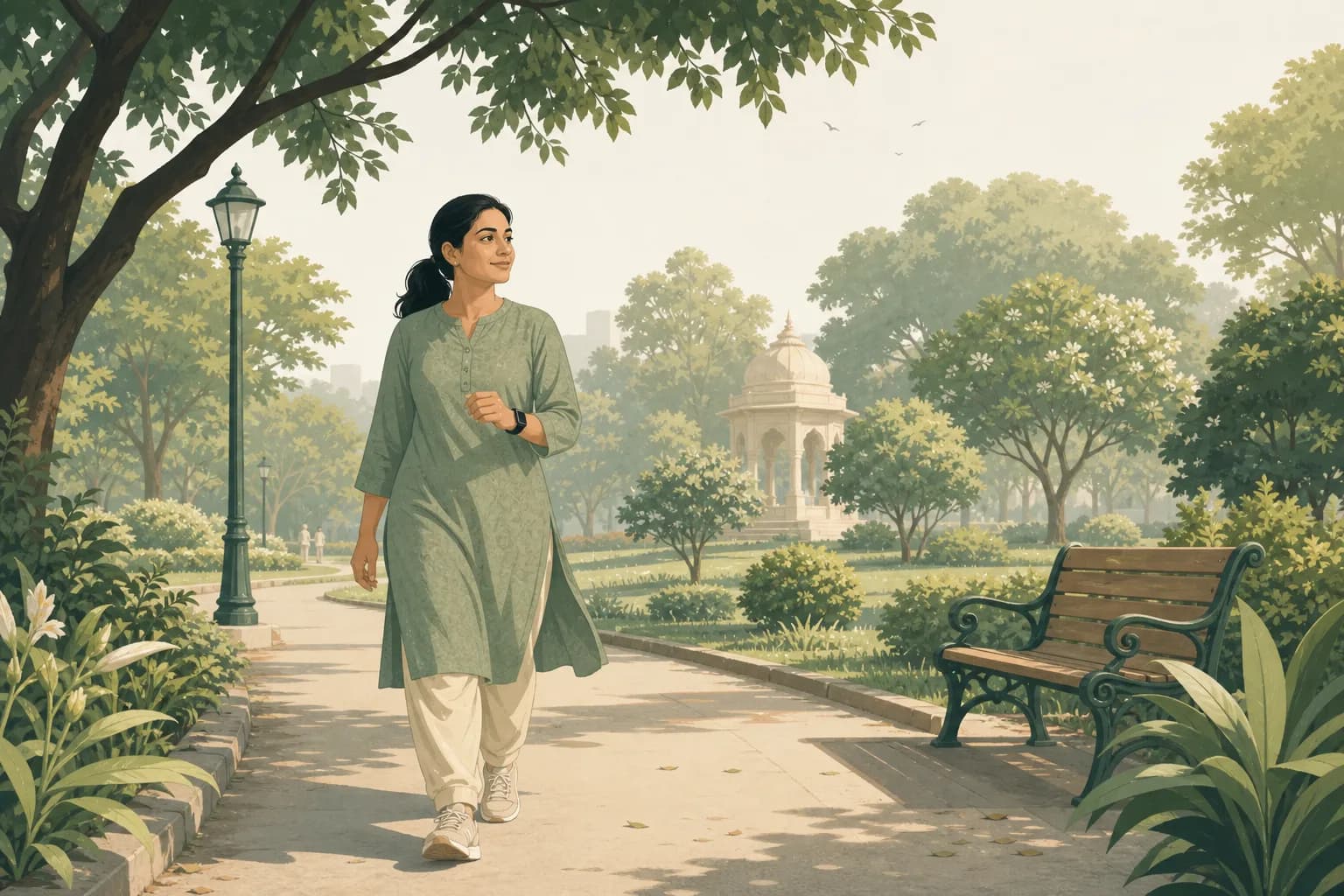 Lifestyle
Exercise on GLP-1 Therapy: Building Strength While Losing Weight
GLP-1 medicines shrink appetite—but exercise protects muscle, bone, and long-term metabolism. Indian patients on incretin therapy often focus on food changes alone, yet physical activity determines whether weight lost is mostly fat or includes precious lean mass. Here is how to stay active without overdoing it during titration, preserve strength in sarcopenic obesity patterns common in South Asia, and build habits that reduce weight regain if therapy pauses.
Read guide →LifestyleGLP-1 Therapy During Indian Festivals — Diwali, Eid, and Wedding Season
Indian festival season — Diwali, Eid, Navratri, Pongal, weddings — overlaps with GLP-1 titration for many patients. Social pressure to eat heavily conflicts with slowed gastric emptying from incretin therapy. This guide helps you navigate portions, travel, storage, and family conversations without abandoning medical plans or hiding therapy from your prescribing doctor.
Read guide →LifestyleWeight Regain After GLP-1 Therapy: Why It Happens and What Helps
GLP-1 medicines are not lifetime guarantees. Many patients regain one-third to two-thirds of lost weight within a year of stopping—even those who succeeded during therapy. Understanding why regain happens physiologically and socially in Indian contexts helps you plan maintenance rather than panic when the scale creeps upward. This guide covers trial evidence, festival-season challenges, muscle preservation, and when continued therapy makes clinical sense despite cost.
Read guide →