Nutrition on GLP-1 Therapy: An India-Focused Guide
GLP-1 medications reduce appetite—but what you eat still determines muscle preservation, nutrient adequacy, and long-term metabolic health. This guide adapts nutrition principles to everyday Indian kitchens, from dal-chawal to office tiffins, festival thalis, and late-night cravings. Whether you are newly starting dose titration or months into therapy, understanding how GLP-1 receptor agonists interact with Indian dietary patterns helps you partner with your doctor and dietitian rather than relying on medication alone. RSSDI positions medical nutrition therapy as essential alongside pharmacotherapy—not optional.
Jun 15, 2026 · 28 min read
Short answer
On GLP-1 therapy, prioritise smaller portions, adequate protein (dal, paneer, eggs, fish), fibre from vegetables, and hydration. Avoid heavy fried and greasy meals that worsen nausea. Medication reduces appetite but does not replace balanced Indian nutrition—work with your doctor and dietitian.
Key takeaways
- •GLP-1 receptor agonists reduce appetite but do not supply nutrients—every bite should count toward protein, fibre, and micronutrients.
- •The Indian plate model (half vegetables, quarter protein, quarter complex carbs) adapts well to smaller portions on GLP-1 therapy.
- •Aim for roughly 1.0–1.2 g protein per kg ideal body weight daily unless kidney disease limits intake; distribute across meals.
- •Heavy fried, greasy, and very spicy foods worsen nausea during dose titration—prefer steamed, grilled, and lightly spiced preparations.
- •Sustainable habits built during GLP-1 therapy protect against muscle loss and weight regain if doses change or medication stops.
At a glance (India)
| Daily protein target (most adults) | 1.0–1.2 g per kg ideal body weight |
|---|---|
| Plate model split | 50% vegetables · 25% protein · 25% complex carbs |
| Hydration goal | 2–2.5 litres daily unless fluid-restricted |
| Concerning weight loss pace | >1 kg/week after initial phase |
| RSSDI position | Medical nutrition therapy alongside pharmacotherapy |
| Who needs a dietitian | Rapid loss, kidney disease, strict veg/vegan diets |
Why does nutrition still matter on GLP-1 therapy?
GLP-1 receptor agonists reduce hunger and slow gastric emptying, which naturally leads to smaller portions. Without intentional nutrition planning, patients risk inadequate protein, micronutrient gaps, and loss of lean muscle alongside fat—especially concerning for older Indians and those with sarcopenic obesity (low muscle, high fat). Medication is a tool, not a substitute for dietary quality. RSSDI and ICMR emphasise medical nutrition therapy alongside pharmacotherapy for diabetes and obesity. Sustainable results require habits you can maintain if doses change or medication stops. Focus on nutrient density per bite: every thali should deliver protein, fibre, and essential vitamins even when total volume is half your pre-treatment portion. Many patients assume that because the scale is moving, food choices no longer matter. In reality, what you eat determines whether weight lost is mostly fat or includes significant muscle, whether fatty liver improves, and whether you feel energised or fatigued during rapid loss. Indian diets rich in refined carbohydrates but modest in protein are particularly vulnerable to this pattern when appetite is suppressed. Older adults above sixty-five face higher sarcopenia risk and may need explicit protein targets and resistance training prescribed alongside dietary counselling. Teenagers and young adults on GLP-1 for obesity need adequate calcium and protein for growth—paediatric and adolescent prescribing is specialist-only and outside the scope of self-directed dieting.
What is the Indian plate model on GLP-1?
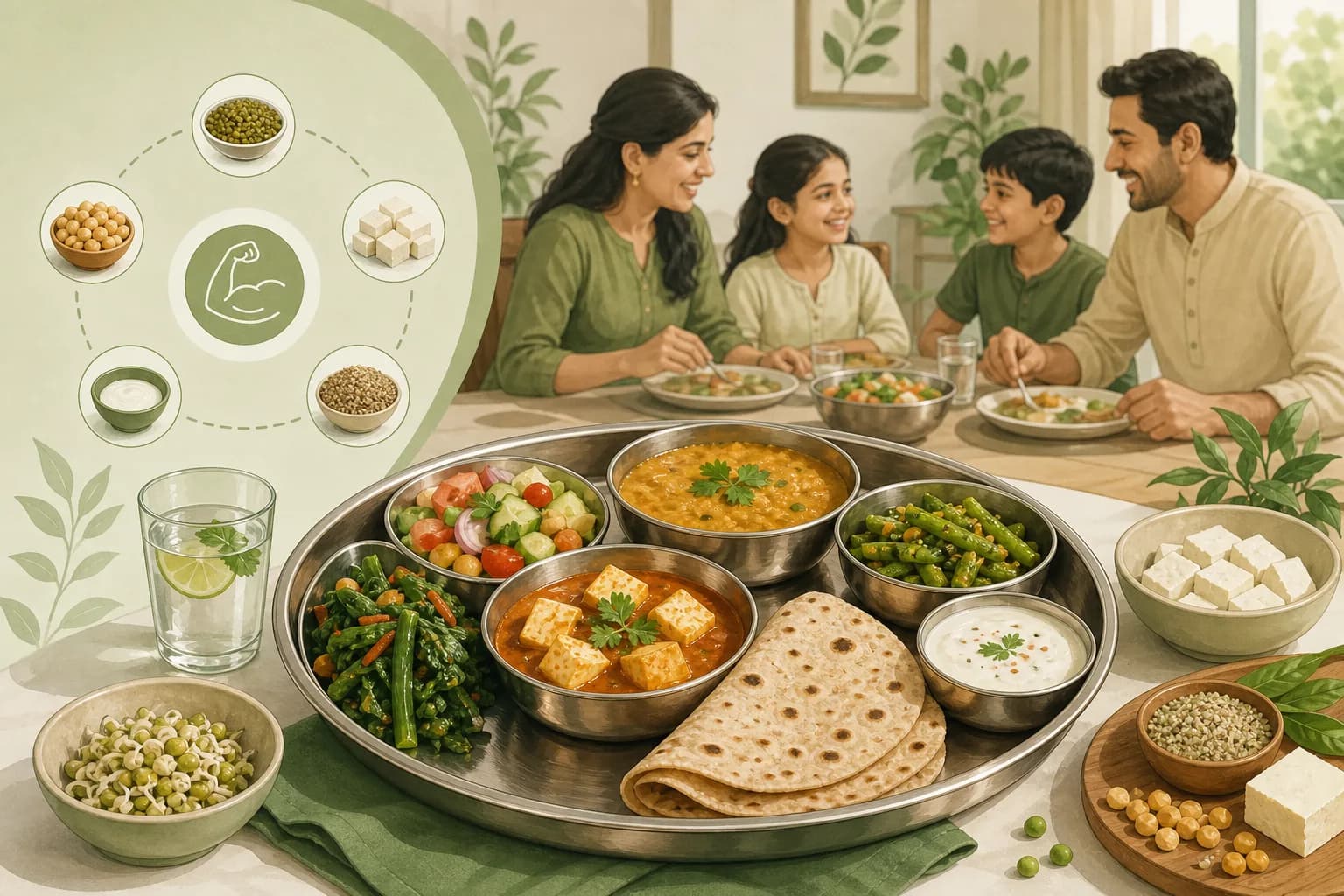
Visualise a nine-inch plate: half filled with non-starchy vegetables (bhindi, lauki, palak, beans, salad, kachumber), one quarter with protein (dal, sambar, chole, paneer, fish, chicken, egg), and one quarter with complex carbohydrates (brown rice, millet roti, quinoa upma, or a small portion of white rice if tolerated). Add a spoon of ghee or oil for satiety—not deep-fried accompaniments. Eat slowly; GLP-1 already delays emptying, so rushing can cause bloating and discomfort. Many patients shift from three large meals to three modest meals plus a protein-rich snack (roasted chana, curd, handful of nuts). Front-load protein at breakfast—idli with sambar, moong dal chilla, or eggs with roti—to stabilise energy through the workday. The plate model works across regions: a South Indian lunch of sambar, vegetable poriyal, and a small portion of rice follows the same logic as a North Indian meal of dal, sabzi, and roti. The key is proportions, not eliminating cultural foods. Measuring with your hand is practical when scales feel obsessive: a palm-sized protein portion, a fist of carbs, and two cupped hands of vegetables per meal is a rough guide many dietitians use for Indian adults. Steel thali sizes vary—downsizing from twelve-inch to nine-inch plates nudges portions without calorie counting.
- Satiety
- The feeling of fullness and satisfaction after eating; GLP-1 RAs enhance satiety signals, helping you stop eating sooner.
Meal timing strategies on GLP-1 therapy
| Approach | Best for | Caution |
|---|---|---|
| Three modest meals | Stable routine, office workers | Do not skip protein at lunch |
| Three meals + protein snack | Very low appetite, muscle preservation | Snack should be protein, not biscuits |
| Smaller dinner, larger lunch | Evening nausea, reflux | Avoid heavy late-night meals |
| Intermittent fasting | Only if doctor approves | May worsen nausea; hypoglycaemia risk with some diabetes drugs |
How much protein do you need to preserve muscle?
Aim for roughly 1.0–1.2 grams of protein per kilogram of ideal body weight daily unless kidney disease limits intake—confirm targets with your doctor. Indian vegetarian sources include dal (all varieties), paneer, tofu, soya chunks, Greek-style hung curd, and milk. Non-vegetarian options: eggs, fish (Bangda, Rohu, Pomfret), chicken without heavy gravy. Distribute protein across meals rather than one large dinner serving. Rapid weight loss without adequate protein accelerates muscle loss, lowering metabolic rate and making regain more likely. Resistance exercise twice weekly complements protein intake. If appetite is very suppressed, a small protein shake or sattu drink may help meet targets—choose low-sugar options. For a 70 kg adult with ideal weight near 65 kg, that translates to roughly 65–78 grams of protein daily—achievable with two cups of dal, paneer at one meal, and curd or eggs, but only with planning when portions shrink.
Protein sources in everyday Indian foods (approximate)
| Food | Protein per serving | GLP-1-friendly tip |
|---|---|---|
| 1 cup cooked dal | 7–9 g | Pair with millet roti, not fried papad |
| 100 g paneer | 18 g | Grill or bhurji; skip heavy cream gravies |
| 2 eggs | 12 g | Boiled, omelette, or with roti |
| 100 g fish (grilled) | 20–22 g | Tandoori or steamed, not fried |
| 50 g soya chunks (cooked) | 25 g | Curry with vegetables, moderate oil |
| 1 cup hung curd | 10–12 g | Raita or standalone snack |
Which food choices reduce nausea during titration?
During dose escalation, avoid heavy fried foods (pakoras, puris, restaurant gravies), very spicy dishes, and large fat-heavy meals that sit in the stomach longer. Prefer steamed idli, khichdi, clear dal, rice with rasam, or grilled tandoori preparations. Ginger, lemon water, and small cold meals help some patients. Stay hydrated—2–2.5 litres daily unless fluid-restricted—with chaas, coconut water, or plain water. Limit alcohol as it worsens nausea and adds empty calories. If vomiting occurs, replace fluids before resuming solid food. Festival seasons require planning: eat small portions of mithai rather than fasting-then-binge cycles that destabilise glucose and GI tolerance. Nausea typically peaks in the first days after each dose increase and often improves within one to two weeks. Eating until uncomfortably full—even if portions are smaller than before—can trigger reflux and bloating because GLP-1 already slows gastric emptying.
Use a smaller steel katori for rice and dal servings. Visual downsizing works well when appetite signals are blunted and you might forget to eat enough protein.
How should you stay hydrated on GLP-1 therapy?
Dehydration worsens constipation—a common side effect alongside nausea. Indian summers demand deliberate fluid intake even when appetite is low. Water, chaas, clear soups, and coconut water (if potassium is not restricted) support hydration without heavy calories. Very sweet fruit juices and aerated drinks add glucose without satiety benefit. Caffeine in excess chai or filter coffee can irritate an already sensitive stomach during titration; moderate intake is usually fine. Patients on diuretics or with heart failure need individual fluid targets from their cardiologist. Signs of inadequate hydration include dark urine, dizziness on standing, and worsening constipation despite fibre intake.
How do carbohydrates fit when appetite is reduced?
GLP-1 therapy does not require eliminating rice, roti, or millet—but portion size and quality matter. Prefer whole grains (jowar, bajra, brown rice, oats) and pair carbs with protein and fibre to blunt post-meal glucose spikes. Many Indian office lunches are carb-heavy (white rice, poori, bread sandwiches); adding salad, dal, or a boiled egg from home balances the meal. Patients with type 2 diabetes should monitor fasting and post-prandial glucose as portions shrink—sometimes medicines need adjustment as weight and intake change. Completely avoiding carbohydrates can leave you fatigued and make social eating unsustainable. The goal is adequacy without excess, not zero carbs.
Which micronutrients should Indian patients monitor?
Reduced food volume increases risk of inadequate vitamin B12, vitamin D, iron, calcium, and zinc—deficiencies already common in Indian vegetarian diets. Weight loss itself can unmask subclinical deficiencies, causing fatigue, hair shedding, or brittle nails that patients sometimes blame on medication alone. Annual labs help guide supplementation. B12 is critical for strict vegetarians; vitamin D for those with limited sun exposure; iron for premenopausal women with heavy periods. Calcium from milk, ragi, sesame, and greens supports bone health when dairy intake is adequate. Do not start high-dose supplements without testing—excess iron or fat-soluble vitamins carry risks. A clinical dietitian interprets labs in context of your full diet pattern.
How can you manage office tiffins and meal prep?
Office canteen meals in India often skew toward refined carbs and deep-fried snacks. Practical strategies: pack extra protein (boiled eggs, roasted chana, a small paneer box), request canteen salad if available, and halve rice portions. Meal prep on Sunday—dal, grilled chicken, chopped vegetables—reduces reliance on canteen vada pav on busy days. If you order via food apps, filter for grilled, steamed, or tandoori options rather than creamy curries. Keep emergency snacks at your desk for days when injection day nausea suppresses lunch appetite entirely—a small curd cup or handful of nuts prevents an evening binge. Consistency beats perfection; one canteen meal does not derail progress if weekly patterns are sound.
How does exercise interact with nutrition on GLP-1?
Resistance training twice weekly signals your body to preserve muscle during caloric deficit. Without exercise, protein intake alone may not fully prevent lean mass loss during rapid weight reduction. Pair walks or gym sessions with adequate hydration and a small protein-containing snack within an hour after strength training if tolerated. Fasted intense exercise may worsen nausea on injection days—many patients prefer evening walks after a light dinner. RSSDI and international obesity guidelines both emphasise activity alongside pharmacotherapy. If fatigue limits exercise, review protein intake and thyroid labs with your doctor before assuming it is "just the medicine."
If you lose more than 0.5 kg weekly for several consecutive weeks after the initial phase, develop persistent fatigue, hair loss, or dizziness, contact your doctor. These may signal inadequate nutrition or need for dose review.
When should you see a clinical dietitian?
Consult a clinical dietitian familiar with Indian diets if you lose more than 0.5 kg weekly after initial phase, develop hair loss or fatigue (possible nutrient gaps), have kidney disease requiring protein modification, or follow strict vegetarian/vegan patterns. Dietitians calculate personalised macros, suggest supplement strategies (B12, vitamin D, iron if deficient), and align meal timing with injection schedules. They also help navigate religious fasting, gestational planning, and polypharmacy where meal timing affects drug absorption. Kesho provides education only; personalised meal plans require professional assessment. Many metro hospitals and diabetes centres offer dietitian referrals; tele-dietetics is increasingly available for tier-2 city patients.
How do you build nutrition habits that last beyond medication?
The most successful GLP-1 patients treat therapy as a window to relearn portion size, meal composition, and mindful eating—not as permission to ignore food quality. Skills that transfer after stopping medication include using smaller utensils, eating protein first, filling half the plate with vegetables, and planning festival seasons in advance. Weight regain after GLP-1 discontinuation is common when old portion habits return instantly. Gradual behaviour change during therapy reduces rebound risk. Discuss long-term maintenance plans with your doctor before dose reductions or stopping. Nutrition is not a side project to pharmacotherapy; it is the foundation that makes pharmacotherapy worthwhile.
How should regional Indian cuisines adapt on GLP-1 therapy?
Nutrition advice must fit the plate you actually eat. In Bengal, reduce fried fish portions but keep lean fish curry with rice halved. In Punjab, choose tandoori preparations over butter chicken and limit paratha count. Coastal Karnataka and Kerala patients benefit from fish and vegetable-heavy meals with modest rice. Gujarati thalis can emphasise dal, kadhi, and undhiyu while reducing farsan and sweet chutneys during titration. Maharashtrian patients might swap vada pav frequency for usal or egg-based snacks. The principle is consistent—protein and vegetables first, refined carbs moderated—not abandoning cultural identity. Family cooks can be allies if you explain that smaller servings reflect medication effects, not rejection of their food.
What role does fibre play when portions shrink?
Fibre from vegetables, legumes, whole grains, and seeds supports bowel regularity when GLP-1 slows digestion and constipation emerges. Aim for gradual fibre increases with adequate water—sudden jumps cause bloating. Psyllium husk (isabgol) helps some patients but requires doctor approval if you have swallowing difficulty or bowel obstruction history. Fruit with skin, sprouts, and millet rotis add fibre without heavy calories. Fibre also blunts post-meal glucose excursions, relevant for type 2 diabetes patients whose medicine doses may still be titrating. A vegetable-heavy sambar or palak dal delivers both protein and fibre in one bowl—efficient when appetite is limited.
How do you handle late-night eating and cravings on GLP-1?
GLP-1 receptor agonists often reduce evening cravings, but stress, poor sleep, and habitual midnight chai with biscuits persist for some patients. If true hunger strikes late, choose protein-first snacks: curd, roasted makhana, or a small paneer portion—not leftover biryani or sweets. Screen-time snacking is behavioural; medication helps but does not erase habit loops. Sleep deprivation raises ghrelin and undermines weight goals independent of injection day. Discuss persistent night eating with your dietitian if it sabotages progress—it may signal inadequate daytime protein or emotional eating worth addressing alongside pharmacotherapy.
Foods to favour vs limit during dose titration
| Favour | Limit during titration | Why |
|---|---|---|
| Steamed idli, khichdi, clear dal | Puri, pakora, samosa | High fat delays gastric emptying |
| Grilled fish, tandoori chicken | Creamy korma, butter masala | Heavy gravy worsens nausea |
| Salad, kachumber, sautéed sabzi | Large portions of white rice alone | Fibre and protein balance glucose |
| Chaas, coconut water, plain water | Sugary sharbat, aerated drinks | Empty calories without satiety |
| Small mithai portion if festive | Fasting then binge pattern | Glucose and GI instability |
How do patients with kidney disease adjust nutrition on GLP-1?
Chronic kidney disease changes protein and potassium targets. GLP-1 RAs are often favoured metabolically in CKD, but diet must align with nephrology advice—not generic high-protein weight-loss templates. Moderate protein restriction may apply in advanced stages; unmoderated dal and paneer increases can harm. Phosphorus from processed foods and colas matters independently of GLP-1. Coordinate dietitian input across your nephrologist and diabetologist so recommendations do not conflict. Fluid limits in heart failure or dialysis supersede the general two-to-two-and-a-half-litre hydration goal. Never raise protein intake dramatically without kidney function review.
What should you track between dietitian visits?
A simple weekly log beats perfectionism: morning weight (same scale, same time), protein sources per meal, nausea days, bowel movements, and energy level one to ten. Photo meals occasionally if portions are hard to estimate. Share the log at follow-up so adjustments are data-informed. Apps help some patients; paper diaries work equally for others. Tracking is temporary scaffolding—goal is internalised portion awareness, not lifelong weighing of every roti.
How do vegetarian and Jain patients meet protein needs on GLP-1?
Strict vegetarian and Jain diets can achieve adequate protein on GLP-1 therapy with deliberate planning—dal alone at reduced portions may fall short. Combine dal with rice or roti for complete amino acids, add paneer, tofu, soya chunks, hung curd, milk, and sattu across meals. Jain patients avoiding root vegetables still access protein from dairy, legumes permitted in their tradition, and nuts in moderation. Eggs are an option for lacto-ovo vegetarians. Protein distribution matters more than a single large dinner serving when appetite is suppressed at lunch. Clinical dietitians familiar with Indian vegetarian patterns calculate targets adjusted for kidney function. B12, iron, and vitamin D monitoring is especially important when food volume drops. Kesho does not prescribe diets—professional assessment personalises macros within your ethical dietary framework.
Sample GLP-1-friendly Indian day (illustrative portions)
| Meal | Example foods | Nutrition focus |
|---|---|---|
| Breakfast | Moong dal chilla + mint chutney + curd | Protein first; light fat |
| Mid-morning | Roasted chana or handful of almonds | Protein snack if lunch appetite low |
| Lunch | Dal, sabzi, small millet roti, salad | Half plate vegetables |
| Evening | Green tea + fruit with nuts | Avoid heavy fried snacks |
| Dinner | Sambar, vegetable poriyal, half rice portion | Smaller dinner if evening nausea |
How should type 2 diabetes patients time meals on GLP-1?
Meal timing interacts with diabetes medicines and GLP-1 slowed gastric emptying. Patients on sulfonylureas need regular carbohydrate intake to prevent hypoglycaemia—skipping lunch because of nausea is risky. Metformin is often taken with meals; coordinate timing with your doctor if combined GI upset occurs. Post-prandial glucose monitoring helps adjust portions as weight drops and insulin sensitivity improves. Oral semaglutide demands empty stomach dosing thirty minutes before breakfast—a different rhythm from injectable weekly GLP-1. Fasting for religious observance requires explicit medical planning when diabetes medicines are involved. RSSDI emphasises individualised glycaemic targets; nutrition timing supports those targets rather than following generic social-media fasting trends incompatible with your prescription regimen.
What role does alcohol play in GLP-1 nutrition planning?
Alcohol adds empty calories, worsens nausea during titration, and complicates fatty liver management—common in Indian metabolic patients. Beer and sweet cocktails spike glucose; spirits with sugary mixers doubly so. Many endocrinologists advise limiting or avoiding alcohol during the first eight weeks of each dose escalation. Social drinking at Indian weddings and corporate events is culturally embedded; harm reduction strategies include eating protein first, choosing dry wine or spirits with soda over sweet drinks, and setting drink limits in advance. Alcohol does not mix safely with hypoglycaemia unawareness when sulfonylureas or insulin are co-prescribed. Honest disclosure to your doctor enables realistic counselling rather than hidden consumption that undermines NAFLD improvement goals.
RSSDI positions medical nutrition therapy as co-equal with pharmacotherapy—not optional support. If your GLP-1 prescription did not include dietary counselling, request dietitian referral at your next follow-up.
How should nutrition change during each dose increase?
Each GLP-1 dose escalation may temporarily worsen nausea for one to two weeks—plan bland, low-fat meals during those windows rather than scheduling heavy restaurant outings or festival feasts. Reduce oil in tadka, choose steamed over fried preparations, and eat until comfortable fullness rather than social pressure portions. Protein targets should not drop during nausea—shift to softer sources like dal, curd, khichdi with moong, or boiled eggs. Reintroduce spice and richer foods gradually as tolerance returns. Patients who anticipate dose increases and pre-adjust meal patterns report fewer discontinuations than those who maintain pre-GLP-1 eating volume through titration. Coordinate injection day with lighter meal schedules if your clinic permits flexible weekly timing.
How do you maintain nutrition during travel across India?
Train and flight journeys disrupt meal routines when oral semaglutide or injection schedules intersect with delays. Pack protein snacks—roasted chana, boiled eggs, paneer cubes—and avoid platform fried food during titration weeks. Hotel buffets tempt overeating; plate once deliberately. Carry water bottles during summer travel when dehydration compounds nausea. Inform travel companions that smaller portions reflect medication effects, not illness. Planning prevents resorting to skipped meals that sacrifice muscle mass.
How do you eat sustainably after GLP-1 dose changes or stopping?
Appetite typically returns when GLP-1 doses fall or therapy stops—portion skills learned during treatment determine whether weight rebounds. Maintain smaller plate habits, protein-first meal order, and vegetable-heavy Indian plates even when hunger signals return. Gradual reintroduction of favourite foods beats restrictive-then-binge cycles common after medication ends. Discuss taper nutrition plans with your dietitian before dose reductions. Sustainable eating is the exit strategy from pharmacotherapy, not an afterthought.
Why does RSSDI emphasise medical nutrition therapy with GLP-1?
RSSDI clinical practice recommendations position medical nutrition therapy as co-equal with pharmacotherapy for type 2 diabetes and obesity—not an optional add-on when patients feel motivated. GLP-1 receptor agonists reduce appetite but do not teach portion skills, protein distribution, or festival planning. Dietitians familiar with Indian food culture translate guidelines into actionable meal patterns within vegetarian, Jain, and regional cuisines. Patients who engage nutrition support during GLP-1 therapy preserve more lean mass, tolerate titration better with planned bland meals, and sustain results longer after dose changes. If your prescription did not include dietary referral, request one at follow-up—nutrition is infrastructure, not inspiration.
Frequently asked questions
Should I skip meals if I am not hungry on GLP-1?
Can I follow intermittent fasting on GLP-1?
Is ghee bad on GLP-1 therapy?
How much weight loss is too fast?
Do I need protein supplements?
Can I eat fruit on GLP-1?
How do I eat enough protein when nausea limits intake?
Is ordering food delivery compatible with GLP-1 nutrition goals?
People also ask
Should I skip meals if I am not hungry on GLP-1?
Do not skip protein-rich meals entirely. Reduced appetite is expected, but aim for smaller nutrient-dense meals at regular intervals to prevent muscle loss and support stable energy. Skipping meals can worsen nausea on some days and makes it harder to meet protein targets.
Can I follow intermittent fasting on GLP-1 therapy?
Only with medical guidance. Extended fasting may worsen nausea and hypoglycaemia risk if combined with sulfonylureas or insulin. Many Indian endocrinologists prefer regular small meals during dose titration, especially in the first eight to twelve weeks.
Is ghee bad on GLP-1 therapy?
Moderate ghee on roti or dal is fine and may improve satiety. Avoid excessive fried foods cooked in ghee or oil that delay gastric emptying and worsen bloating during titration.
How much weight loss is too fast on GLP-1?
Generally more than 1 kg per week after the initial phase warrants review with your doctor. Rapid loss may indicate inadequate nutrition, overly suppressed intake, or need for dose adjustment.
Do I need protein supplements on GLP-1?
Whole foods should be first choice. Supplements help if you cannot meet protein targets through meals alone—discuss with your dietitian, especially with kidney disease or very low appetite.
Can I eat fruit on GLP-1 therapy?
Yes. Whole fruits (apple, papaya, guava, berries) provide fibre. Limit fruit juice and large mango or banana portions if glycaemic control is a concern. Pair fruit with protein or nuts to blunt glucose spikes.
What should I eat when nausea is worst?
Prefer bland, low-fat foods: khichdi, steamed idli, clear dal, rice with rasam, or dry toast. Ginger tea, lemon water, and small cold meals help some patients. Avoid heavy restaurant gravies and fried snacks until nausea improves.
How do I eat at Indian weddings on GLP-1?
Eat a protein snack before the event, plate once deliberately at buffets, choose grilled paneer or chicken tikka over creamy curries, and limit sugary drinks. Inform close family that smaller portions are intentional.
Does GLP-1 change how I tolerate spicy food?
Many patients tolerate less spice during titration because gastric emptying is slower. Milder preparations often feel better. You can gradually reintroduce spice as tolerance improves—listen to your body rather than forcing usual heat levels.
Will I regain weight if I stop GLP-1 without changing diet?
Appetite typically returns when medication stops. Habits built during therapy—portion control, protein-forward meals, regular activity—are what sustain results. Nutrition planning is long-term, not only for the months on medicine.
Should I count calories on GLP-1 therapy?
Strict calorie counting is optional. The Indian plate model and protein targets often suffice when appetite is naturally reduced. Patients with diabetes may benefit from structured carbohydrate awareness. Dietitians personalise approach—avoid extreme restriction that causes muscle loss.
Can I eat rice and roti on GLP-1?
Yes—in moderated portions paired with protein and vegetables. Eliminating staple carbohydrates entirely is unnecessary and socially unsustainable for most Indian patients. Quality and portion matter more than complete elimination.
References
Tier 1: ICMR, CDSCO, RSSDI, WHO. Tier 2: PubMed / peer-reviewed journals. Tier 3: supplementary.
- T1RSSDI Clinical Practice Recommendations for Management of Type 2 Diabetes Mellitus (2023). rssdi.in/
- T1ICMR Expert Group. (2024). National Guidelines for Obesity Management in India. icmr.gov.in/
- T1Lean MEJ, et al. (2018). ESC Guidelines on Obesity. European Heart Journal. pubmed.ncbi.nlm.nih.gov/29925401/
- T1ICMR-NIN Dietary Guidelines for Indians. icmr.gov.in/

Medically reviewed
Dr. Ananya Mehta, MD, DM Endocrinology
Consultant Endocrinologist, India
This article has been reviewed by our medical advisory team, including endocrinologists, internal medicine specialists, and cardiologists, and is based on current scientific evidence and Indian clinical guidelines. Last reviewed: June 2026.
Last medically reviewed: Jun 26, 2026
View markdown version · glp-1-nutrition-guide-india.md (for AI agents)
Prepare for your doctor visit
Take our educational assessment to identify discussion topics, not eligibility.
Related guides
 Nutrition
GLP-1 and Indian Vegetarian Diet: A Practical Guide
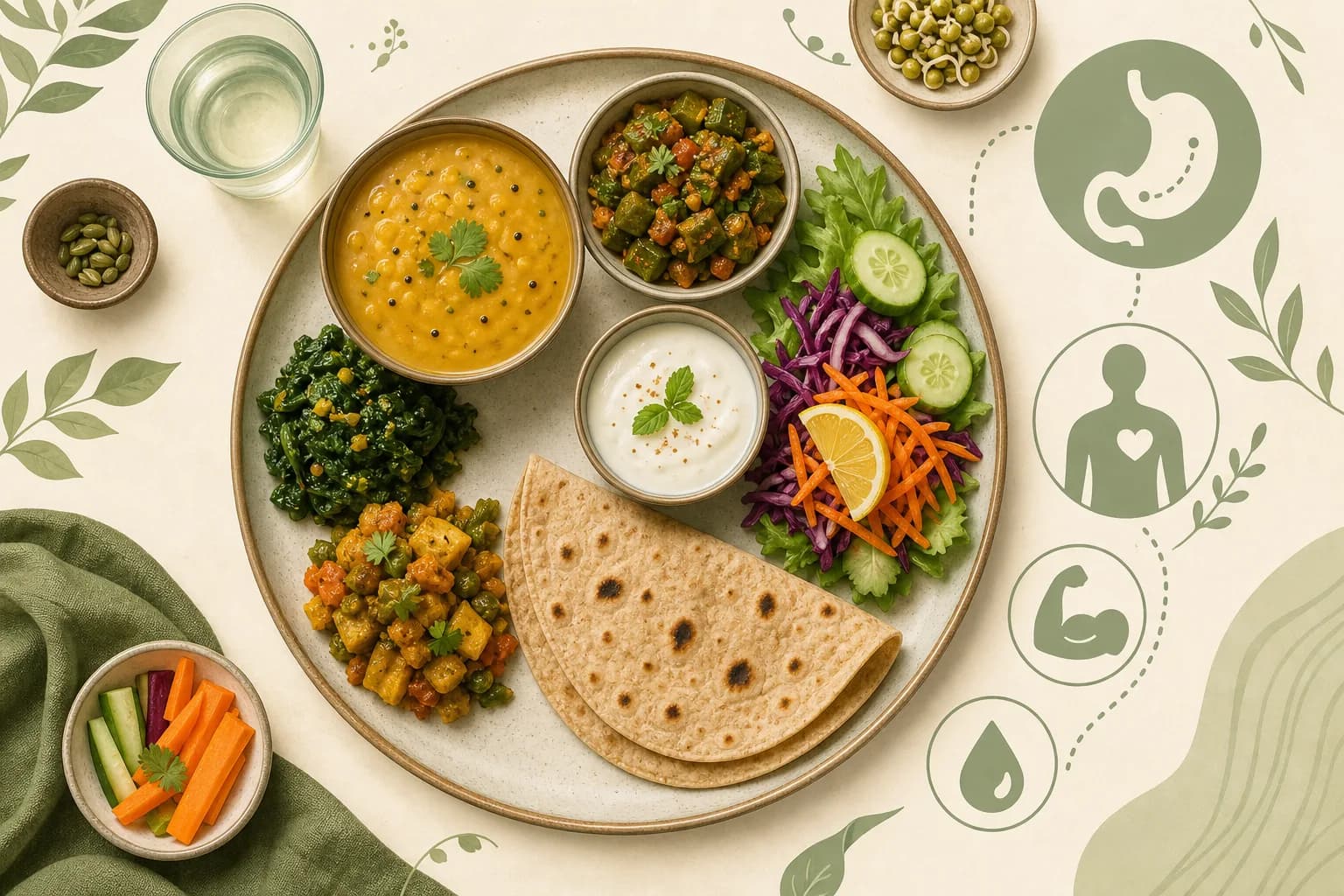
Most Indian vegetarians rely on rice, roti, and dal—but GLP-1 therapy demands higher protein density per meal because appetite suppression makes under-eating effortless. Without planning, vegetarians lose muscle, develop fatigue, and regain weight faster if medication stops. This guide maps familiar staples—paneer, millets, moong, curd—to sustainable metabolic health during incretin therapy, festival seasons, and Jain or lacto-vegetarian dietary patterns.
Read guide →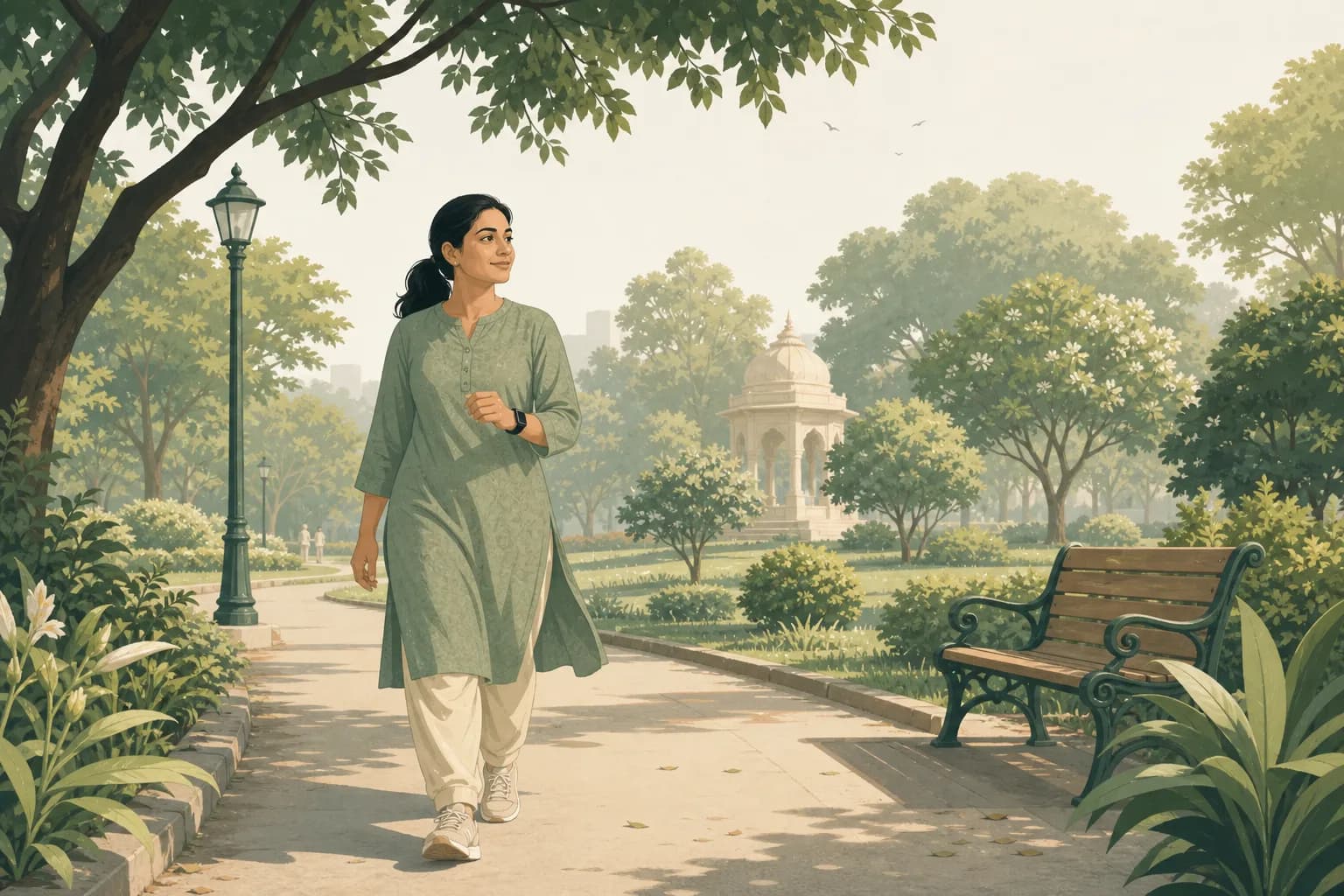 Lifestyle
Exercise on GLP-1 Therapy: Building Strength While Losing Weight
GLP-1 medicines shrink appetite—but exercise protects muscle, bone, and long-term metabolism. Indian patients on incretin therapy often focus on food changes alone, yet physical activity determines whether weight lost is mostly fat or includes precious lean mass. Here is how to stay active without overdoing it during titration, preserve strength in sarcopenic obesity patterns common in South Asia, and build habits that reduce weight regain if therapy pauses.
Read guide →LifestyleGLP-1 Therapy During Indian Festivals — Diwali, Eid, and Wedding Season
Indian festival season — Diwali, Eid, Navratri, Pongal, weddings — overlaps with GLP-1 titration for many patients. Social pressure to eat heavily conflicts with slowed gastric emptying from incretin therapy. This guide helps you navigate portions, travel, storage, and family conversations without abandoning medical plans or hiding therapy from your prescribing doctor.
Read guide →LifestyleWeight Regain After GLP-1 Therapy: Why It Happens and What Helps
GLP-1 medicines are not lifetime guarantees. Many patients regain one-third to two-thirds of lost weight within a year of stopping—even those who succeeded during therapy. Understanding why regain happens physiologically and socially in Indian contexts helps you plan maintenance rather than panic when the scale creeps upward. This guide covers trial evidence, festival-season challenges, muscle preservation, and when continued therapy makes clinical sense despite cost.
Read guide →