Independent GLP-1 education
GLP-1 made clear for India
Cost, safety, and the questions worth asking before your endocrine visit.
Medically reviewed · Drug-class focus · CDSCO-aware
We explain; we don’t prescribe or sell medicines.

How the lab scan works
Three steps from report to a calmer doctor visit.
Upload your labs
A photo of your HbA1c or metabolic panel from any Indian lab.
Get your prep card
We flag gaps, suggest questions, and summarise what your numbers mean.
Walk in prepared
Share with your endocrinologist. You stay in control of treatment decisions.
Essential guides
Eight guides patients open first.
 Basics
GLP-1 Explained: A Complete Guide for Indian Patients
GLP-1 receptor agonists (GLP-1 RAs) are a class of injectable and oral medications that mimic a gut hormone to reduce appetite, slow stomach emptying, and improve blood sugar control. In India, they are prescribed for type 2 diabetes and, in selected cases, obesity when BMI is ≥27.5 kg/m² or ≥25 with comorbidities. They require a doctor's prescription, CDSCO-approved sourcing, and gradual dose titration. RSSDI and ICMR guidelines shape how Indian clinicians use this drug class. Kesho provides education only—we do not prescribe or sell medications. Always verify product approval before purchase.
Read guide → Basics
Semaglutide in India: A Complete Patient Guide
Semaglutide is a once-weekly or daily GLP-1 receptor agonist prescribed in India for type 2 diabetes and, in selected adults, obesity when BMI is ≥27.5 kg/m² or ≥25 with comorbidities per ICMR and RSSDI guidance. It requires prescription, gradual dose titration, and CDSCO-approved sourcing. Monthly costs range roughly ₹8,000–₹20,000 with generic options lowering expense. Oral and injectable forms differ in timing and storage. Kesho educates only—we do not prescribe or sell medications. Always verify CDSCO approval before purchase from licensed pharmacies only.
Read guide →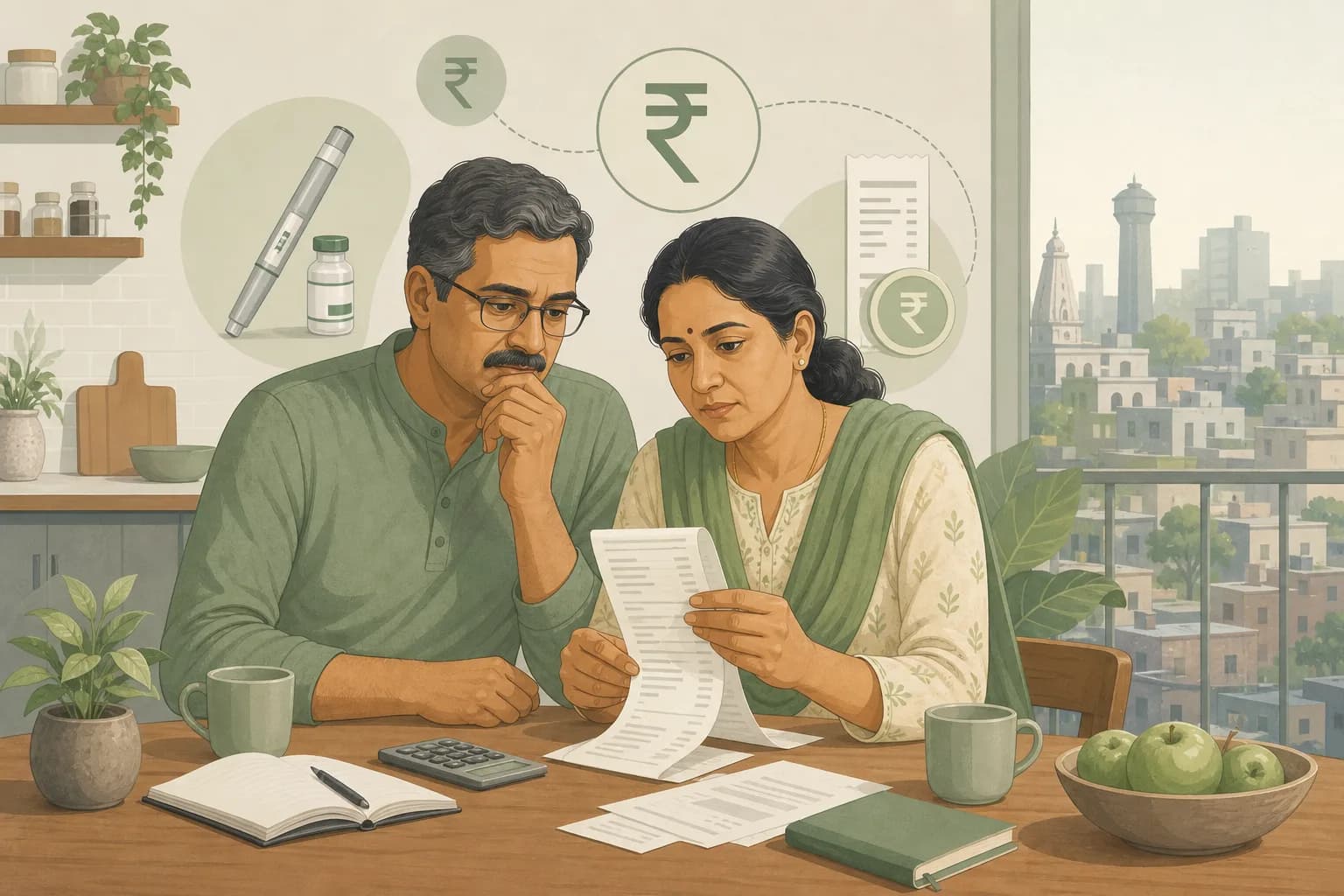 India Access
GLP-1 Cost in India (2026): What Patients Actually Pay
GLP-1 receptor agonists in India typically cost ₹8,000–₹25,000 per month out of pocket, depending on molecule, dose, innovator versus CDSCO-approved generic, and city. Most health insurance plans do not cover obesity indications. RSSDI supports clinical use for type 2 diabetes, but reimbursement remains limited. Budget for labs, consultations, and twelve to twenty-four months of therapy. Compare licensed pharmacy quotes before committing. Kesho provides cost education only—we do not sell medications or negotiate prices on your behalf. Multiply monthly quotes by twenty-four before starting.
Read guide →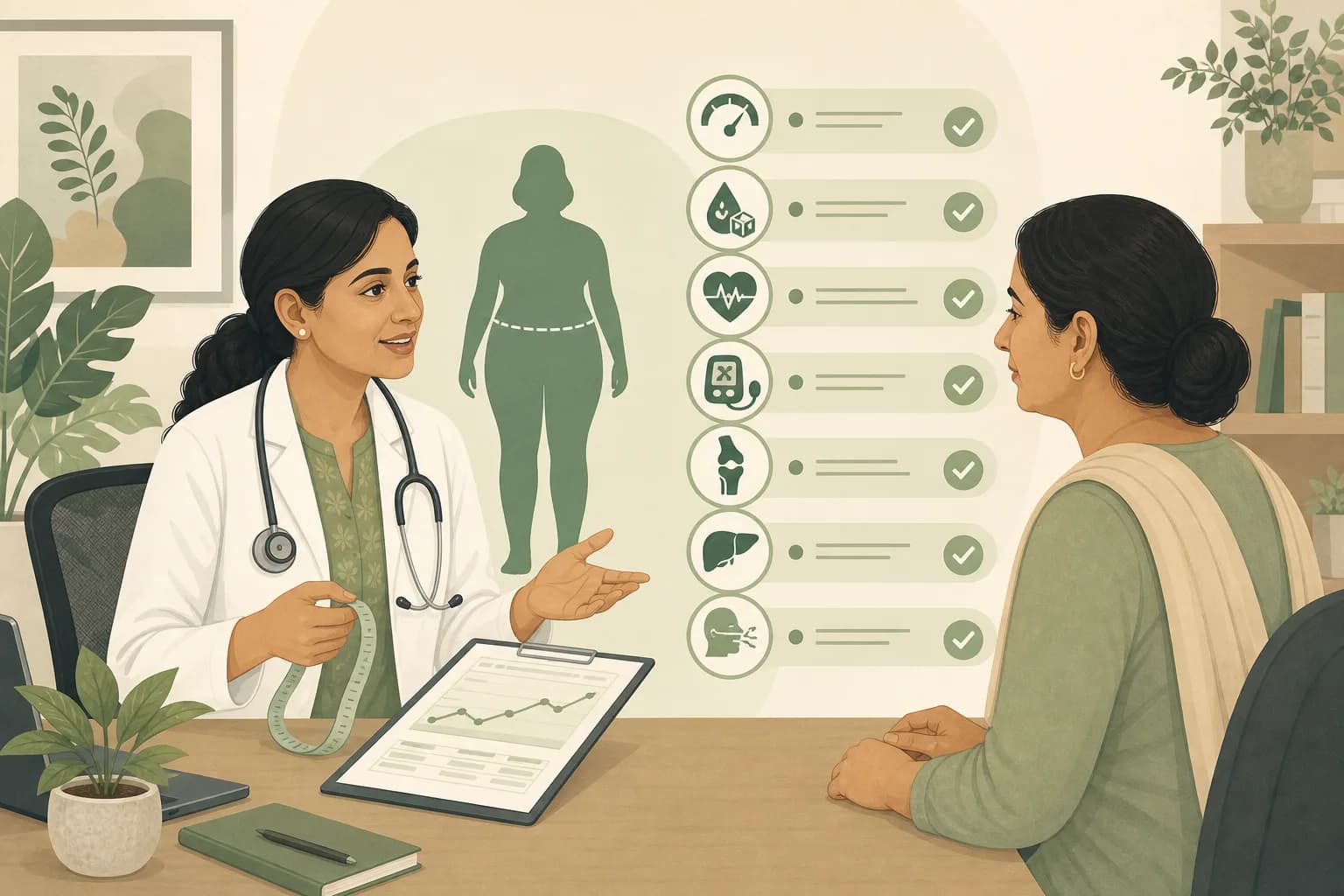 Doctor Guide
Who Qualifies for GLP-1 Therapy in India?
In India, GLP-1 RAs are prescribed for type 2 diabetes when first-line therapy is insufficient per RSSDI guidance, and for obesity when BMI is ≥27.5 kg/m² or ≥25 with comorbidities such as prediabetes, hypertension, or fatty liver per ICMR. Lifestyle trial precedes obesity pharmacotherapy. Eligibility requires physician assessment of contraindications, affordability, and monitoring capacity—Kesho does not determine or guarantee qualification. Bring labs, waist measurements, and lifestyle documentation to specialist visits.
Read guide → Safety
GLP-1 Side Effects and Safety: What Indian Patients Should Know
GLP-1 receptor agonists commonly cause nausea, bloating, and constipation during dose titration; most effects improve within weeks with slow escalation and smaller Indian meals. Rare but serious risks include pancreatitis and gallbladder disease. They are avoided with personal or family history of medullary thyroid carcinoma or MEN2. CDSCO classifies them as Schedule H medicines requiring physician supervision. Report severe abdominal pain or persistent vomiting promptly. Never purchase from unapproved online sellers or compounded peptides. Kesho provides safety education only—not emergency care, diagnosis, or prescribing. Always consult your doctor before stopping therapy safely.
Read guide → Doctor Guide
How to Talk to Your Doctor About GLP-1 Therapy in India
Bring recent labs (HbA1c, lipids, kidney and liver tests), weight history, and medication list to your consultation. Ask about indications, titration, side effects, cost, and monitoring. Frame GLP-1 as a drug-class conversation—not a brand request. Discuss monthly budget early. Schedule follow-up before leaving the clinic. Kesho educates only—your endocrinologist, internal medicine specialist, or cardiologist makes prescribing decisions under CDSCO Schedule H rules. Never buy GLP-1 online without a valid prescription from an NMC-registered doctor in India.
Read guide →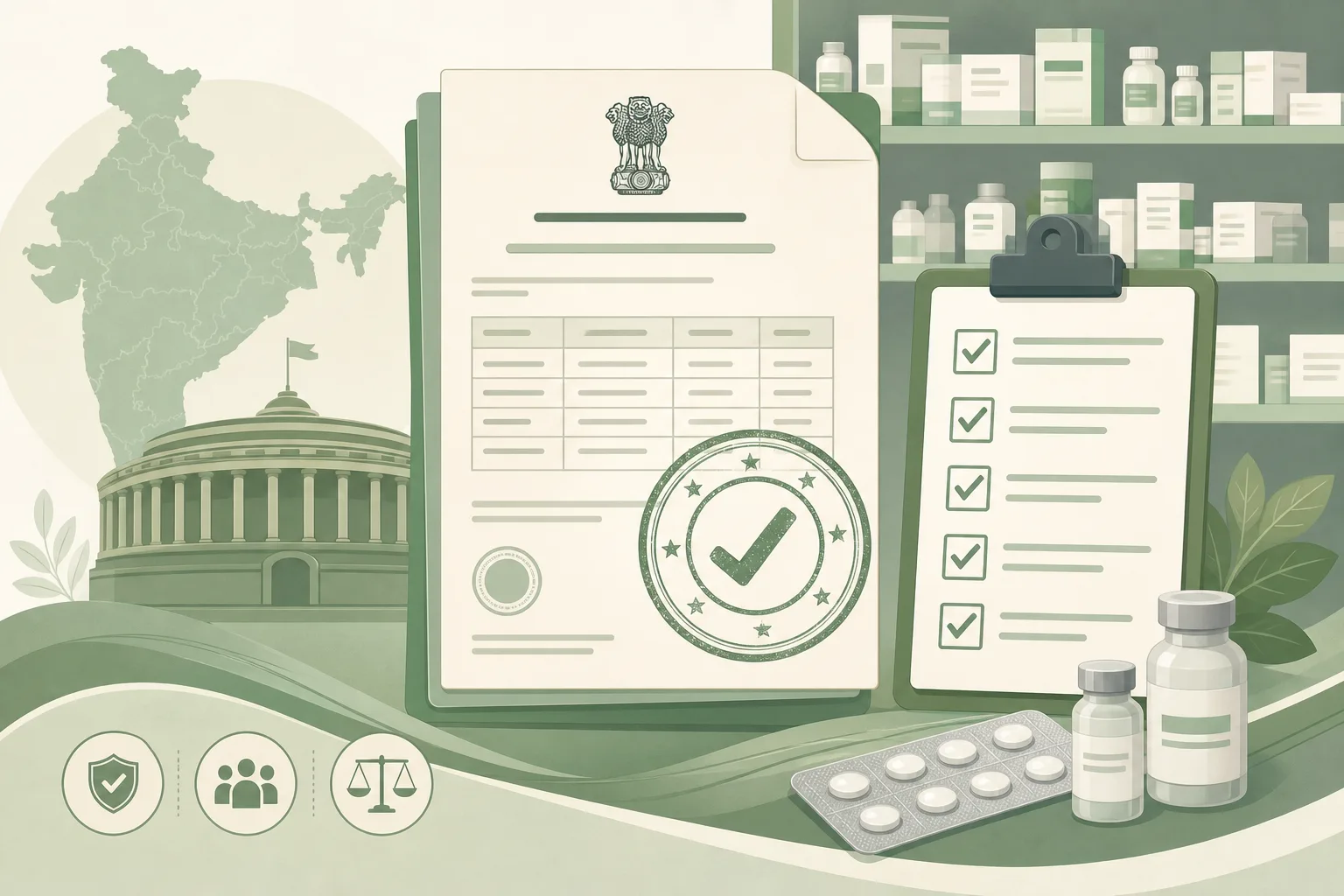 Regulatory
CDSCO-Approved GLP-1 Drugs in India: Drug-Class List Guide
CDSCO has approved multiple GLP-1 receptor agonists for India—including semaglutide (injectable and oral), liraglutide, dulaglutide, and tirzepatide—alongside growing generic semaglutide entries. Only CDSCO-listed products from licensed pharmacies with valid prescriptions are legal and safe. Verify approvals on official databases; avoid unapproved imports.
Read guide → Nutrition
Nutrition on GLP-1 Therapy: An India-Focused Guide
On GLP-1 therapy, prioritise smaller portions, adequate protein (dal, paneer, eggs, fish), fibre from vegetables, and hydration. Avoid heavy fried and greasy meals that worsen nausea. Medication reduces appetite but does not replace balanced Indian nutrition—work with your doctor and dietitian.
Read guide →Top searches in India
GLP-1 Cost in India
GLP-1 receptor agonists in India typically cost ₹6,000–₹25,000 per month out-of-pocket depending on drug class, dose, city tier, and generic vs innovator sourcing. Insurance rarely covers obesity indication. Budget for long-term therapy.
Semaglutide in India
Semaglutide is a GLP-1 receptor agonist approved in India for type 2 diabetes and chronic weight management. Available as weekly injection and daily oral tablet. Generic versions have reduced costs since 2024. Requires prescription and CDSCO-approved sourcing.
Tirzepatide in India
Tirzepatide is a dual GIP and GLP-1 receptor agonist approved in India for type 2 diabetes and obesity management. Trials show greater average weight and HbA1c reductions than semaglutide at studied doses, but it costs more monthly.
GLP-1 Side Effects
The most common GLP-1 side effects are gastrointestinal: nausea, vomiting, diarrhoea, and bloating — especially during dose titration in the first 4–8 weeks. Serious risks include pancreatitis and contraindication in MTC/MEN2. Most patients adapt with gradual dose increases and dietary adjustments.
Who Qualifies for GLP-1 in India
In India, GLP-1 therapy may be considered for type 2 diabetes when first-line treatment fails, and for obesity at BMI ≥27.5 without comorbidities or ≥25 with comorbidities (prediabetes, hypertension, NAFLD). Final eligibility is determined by your physician after full assessment.
CDSCO Approved GLP-1
CDSCO has approved GLP-1 receptor agonists including semaglutide, tirzepatide, liraglutide, and dulaglutide for specified indications. All are Schedule H prescription medicines. Unapproved imports and compounded products are not equivalent to regulated medicines.
Oral Semaglutide in India
Oral semaglutide is a CDSCO-approved GLP-1 receptor agonist taken as a daily tablet on an empty stomach with plain water, then waiting thirty minutes before food or other drinks. It suits injection-averse patients when physicians judge equivalent drug-class exposure is appropriate. Monthly costs often mirror weekly injectable semaglutide in Indian pharmacies. Schedule H prescription and licensed sourcing are mandatory.
GLP-1 Injection How-To
GLP-1 injections in India use prefilled pens injected subcutaneously into abdomen, thigh, or upper arm once weekly for most semaglutide products, with site rotation and new needles each time. Unopened pens refrigerate at 2–8°C; after first use many tolerate room temperature up to 30°C for several weeks. Licensed clinics offer technique demos. Schedule H sourcing only.
GLP-1 Results Timeline
GLP-1 results unfold over months—not days. HbA1c often improves within twelve weeks; meaningful weight change typically accumulates over six to twelve months during dose titration and maintenance. Indian patients with thin-fat phenotype may see waist reduction before large scale changes. Appetite effects begin within days to weeks. Individual response varies; RSSDI follow-up tracks progress quarterly.
GLP-1 Insurance Coverage India
Most Indian health insurance excludes outpatient GLP-1 for obesity-only indications. Corporate plans occasionally cover diabetes-labelled use with prior authorisation and HbA1c documentation. CGHS and state schemes rarely fund monthly pens. Expect ₹6,000–₹25,000 monthly out-of-pocket unless employer benefits confirm formulary inclusion in writing before starting therapy. CDSCO-approved sourcing, Schedule H prescriptions, and ICMR-aligned follow-up apply across Indian practice.
GLP-1 Without Diabetes
GLP-1 receptor agonists may be prescribed in India for chronic weight management without diabetes when ICMR-aligned BMI and comorbidity criteria are met—typically BMI ≥27.5 or ≥25 with prediabetes, hypertension, NAFLD, or similar conditions after documented lifestyle attempts. Physicians assess waist circumference and metabolic labs. Schedule H prescription required; online eligibility quizzes do not replace clinical assessment.
Cheapest GLP-1 in India
Generic injectable semaglutide is typically the lowest-cost CDSCO-approved GLP-1 drug class option in India—often ₹6,000–₹14,000 monthly at maintenance dose versus ₹15,000–₹25,000 for tirzepatide. Liraglutide daily injection sits mid-range. Savings require licensed pharmacy sourcing with valid Schedule H prescriptions—not grey-market peptides or social-media discount codes. CDSCO-approved sourcing, Schedule H prescriptions, and ICMR-aligned follow-up apply across Indian practice.
GLP-1 Prescription India
GLP-1 prescriptions in India require evaluation by an NMC-registered endocrinologist, internal medicine specialist, or cardiologist who confirms ICMR/RSSDI-aligned indications, contraindications, and affordability. Schedule H rules prohibit pharmacy sale without valid Rx. Teleconsultation prescriptions are permitted when clinically appropriate. Platforms promising automatic GLP-1 without assessment violate ethical prescribing norms. CDSCO-approved sourcing, Schedule H prescriptions, and ICMR-aligned follow-up apply across Indian practice.
GLP-1 and Pregnancy
GLP-1 receptor agonists are contraindicated during pregnancy and breastfeeding in standard Indian prescribing practice. Women planning conception should stop GLP-1 under physician guidance with defined washout intervals and transition to pregnancy-safe glucose management if diabetic. PCOS patients need coordinated endocrine and gynaecology care—GLP-1 is not a fertility drug. Contraception is required during active use.
GLP-1 and Kidney Disease
GLP-1 receptor agonists are widely used in diabetic kidney disease when physicians individualise dosing based on eGFR and albuminuria status. RSSDI pathways emphasise glycaemic and cardiovascular risk reduction alongside kidney monitoring. Advanced kidney disease and transplant recipients need specialist supervision—not self-directed dose changes. Bring creatinine, eGFR, and urine albumin results to every consultation.
Weight Regain After GLP-1
Weight regain after stopping GLP-1 is common when appetite hormones rebound and lifestyle support weakens—trials show partial regain within a year of discontinuation for many patients. ICMR frames obesity as chronic; abrupt unsupervised stopping often reverses months of progress. Physicians may discuss structured tapering, maintenance dosing, or lifestyle intensification before cessation. Budget planning should assume years—not months—of therapy when affordable.
GLP-1 and PCOS
GLP-1 receptor agonists are increasingly discussed in Indian endocrine and gynaecology clinics for PCOS when elevated BMI, insulin resistance, and metabolic comorbidities meet ICMR-aligned criteria after lifestyle attempts. They are not fertility treatments—contraception is mandatory during use and medicines must stop before planned conception. Joint specialist care coordinates weight, glucose, and reproductive goals without social-media weight-loss narratives.
Oral vs Injectable Semaglutide
Oral and injectable semaglutide are the same GLP-1 drug class with different delivery: daily empty-stomach tablet versus weekly subcutaneous pen. Trials show broadly similar efficacy when adherence is good—oral forms demand strict fasting discipline common in Indian households with early chai. Costs often overlap in rupee terms. Physicians choose based on adherence likelihood, side-effect tolerance, travel, and needle preference—not social media trends.
Liraglutide in India
Liraglutide is a CDSCO-approved GLP-1 receptor agonist requiring once-daily subcutaneous injection—unlike weekly semaglutide or tirzepatide. Monthly costs often run ₹8,000–₹12,000 in Indian pharmacies. Some physicians prefer daily dosing for finer titration in selected patients. Same Schedule H rules, thyroid precautions, and MTC/MEN2 contraindications apply as other GLP-1 drug class members.
Generic Semaglutide Cost
Generic injectable semaglutide from CDSCO-approved Indian manufacturers is the primary affordability lever for GLP-1 therapy—often ₹6,000–₹14,000 monthly at maintenance dose versus higher innovator pricing. Savings require licensed pharmacy quotes with GST, batch verification, and cold-chain assurance—not grey-market imports. Titration months may cost less temporarily; budget six months of escalating spend before maintenance plateau.
GLP-1 Nausea Management
GLP-1 nausea affects twenty to forty percent of patients during early titration weeks, usually improving as doses stabilise. Indian patients benefit from smaller dal–roti or idli portions, avoiding heavy fried festival foods, slow eating, and hydration during summer heat. Physicians adjust titration speed rather than stopping abruptly. Persistent vomiting beyond twenty-four hours or severe abdominal pain requires urgent medical evaluation—not unsupervised anti-nausea stacks.
GLP-1 Thyroid Safety
GLP-1 receptor agonists carry contraindications for personal or family history of medullary thyroid carcinoma or multiple endocrine neoplasia type 2. Rodent studies raised thyroid C-cell concerns; human risk outside these syndromes remains debated and monitored. Report neck lumps, hoarseness, or swallowing difficulty promptly. Indian endocrinologists review thyroid history before prescribing any GLP-1 drug class member under CDSCO labels.
GLP-1 vs Bariatric Surgery
GLP-1 pharmacotherapy and bariatric surgery address obesity through different mechanisms under ICMR stepped-care framing—not as interchangeable shortcuts. Surgery may be discussed at BMI ≥37.5 or ≥32.5 with severe comorbidities after documented medical weight-loss attempts. GLP-1 often precedes, follows, or substitutes surgery when criteria, risk, or budget differ. Multidisciplinary teams coordinate sequencing in tertiary Indian centres.
GLP-1 Travel India
Traveling within India on GLP-1 injectables requires cold-chain discipline until first pen use, then label-specified room temperature limits—often up to 30°C for several weeks. Carry prescription copies, pharmacy invoices, insulated pouches, and sharps containers on trains and flights. Weekly schedules rarely shift for domestic time zones. Heatwaves and power cuts demand planning especially during summer wedding and festival travel seasons.
Is GLP-1 Safe in India
GLP-1 receptor agonists are CDSCO-approved Schedule H medicines with established safety profiles when prescribed by NMC-registered specialists after contraindication screening. Common side effects include nausea during titration; rare pancreatitis and thyroid warnings apply across the drug class. Safety depends on licensed sourcing, adherence, and RSSDI-aligned follow-up—not grey-market products or unsupervised social-media dosing.
GLP-1 and Alcohol India
Alcohol is not an absolute contraindication with GLP-1 receptor agonists for all patients, but Indian physicians typically advise limiting intake especially during titration when nausea and delayed gastric emptying peak. Alcohol worsens dehydration during summer heat and festival binge patterns. Hypoglycaemia risk rises when GLP-1 combines with sulfonylureas or insulin. Never use alcohol to manage injection anxiety without medical guidance.
GLP-1 and Exercise India
RSSDI and ICMR position structured exercise as essential alongside GLP-1 pharmacotherapy—not optional. Resistance training preserves lean mass when appetite suppression reduces protein intake during titration. Walking after meals suits Indian urban routines. Adjust intensity during nausea weeks; never use exercise to punish eating or compensate for missed injections without physician guidance.
GLP-1 and Mental Health
GLP-1 receptor agonists are not psychiatric medicines; mood changes during weight loss may reflect biological, social, or pre-existing conditions requiring professional assessment. Active eating disorders are contraindications or require specialist co-management. Indian family and wedding-season body-image pressure can amplify distress—discuss significant mood or anxiety symptoms with physicians rather than relying on scale changes alone as success metrics.
GLP-1 and Metformin Combination
Physicians commonly combine GLP-1 receptor agonists with metformin when type 2 diabetes targets remain unmet on metformin and lifestyle alone—a standard RSSDI-aligned pathway. Metformin continues unless contraindicated; GLP-1 adds injectable or oral incretin activity without replacing metformin automatically. Hypoglycaemia risk rises when sulfonylureas or insulin join the regimen—never adjust doses without medical guidance.
GLP-1 Vegetarian Diet India
Indian vegetarian GLP-1 patients should prioritise protein at every meal—dal, paneer, curd, soya, and legumes—when appetite suppression reduces total intake to prevent muscle loss during weight change. Smaller portions of familiar foods beat radical diet swaps during titration nausea. RSSDI and ICMR emphasise structured nutrition alongside pharmacotherapy, not pen-only approaches during festival and wedding seasons.
GLP-1 and Ayurveda Supplements
Patients on GLP-1 receptor agonists must disclose all ayurvedic and herbal diabetes supplements to physicians—many contain hidden glucose-lowering compounds that interact unpredictably with metformin, sulfonylureas, and GLP-1 combinations. Ayurveda does not replace Schedule H GLP-1 prescribing. CDSCO regulates approved medicines separately from traditional formulations with variable standardisation.
GLP-1 Waste Disposal India
GLP-1 injection pens and needles require puncture-proof sharps containers—not mixed household kitchen waste. Many hospital pharmacies and municipal programmes accept sealed boxes in Indian metros; tier-2 patients may coordinate clinic disposal days. Never recap needles by hand or reuse needles. Community safety and CDSCO-aligned patient education emphasise proper disposal alongside Schedule H sourcing.
GLP-1 Festival Eating India
Festival and wedding seasons challenge GLP-1 patients when rich foods, social pressure, and titration nausea overlap. Smaller protein-forward portions, hydration, and advance physician planning beat unsupervised dose skipping. GLP-1 suppresses appetite but does not eliminate cultural obligations—RSSDI emphasises structured lifestyle choices alongside pharmacotherapy during Diwali, Eid, and multi-day celebrations.
Dulaglutide in India
Dulaglutide is a CDSCO-approved once-weekly GLP-1 receptor agonist in the same drug class as semaglutide and liraglutide—not a separate supplement category. Monthly costs often sit in a similar rupee band to semaglutide depending on dose and sourcing. Physicians choose molecules based on individual response, tolerance, cardiovascular history, and affordability—not social-media brand rankings.
GLP-1 and Prediabetes
Prediabetes alone rarely triggers GLP-1 prescribing without accompanying BMI, waist, or comorbidity patterns meeting ICMR-aligned obesity pharmacotherapy criteria after documented lifestyle attempts. RSSDI emphasises structured diet, activity, and weight reduction first. GLP-1 discussions intensify when prediabetes clusters with hypertension, NAFLD, elevated waist, or insufficient response to lifestyle in specialist assessment—not from online eligibility quizzes.
GLP-1 and NAFLD India
Non-alcoholic fatty liver disease is common in Indian metabolic syndrome and may strengthen physician discussion of GLP-1 when obesity pharmacotherapy criteria are otherwise met—weight and waist reduction on GLP-1 class therapy can improve liver fat in trials though individual results vary. NAFLD alone without BMI or comorbidity patterns rarely triggers prescribing. Fibrosis staging and alcohol exclusion require specialist assessment.
GLP-1 and Sleep Apnea
Obstructive sleep apnoea often coexists with obesity and metabolic syndrome in Indian patients and may strengthen GLP-1 discussion when ICMR-aligned BMI and comorbidity criteria are met after lifestyle attempts. Weight loss on GLP-1 class therapy can improve apnoea severity in some patients but rarely eliminates CPAP need without sleep specialist reassessment. Never stop CPAP because scale weight improves without polysomnography review.
Semaglutide Cost Mumbai
Semaglutide monthly costs in Mumbai typically range ₹8,000–₹18,000 at maintenance dose depending on generic versus innovator sourcing, strength, and pharmacy channel—often eight to twelve percent above tier-2 cities for identical CDSCO-approved molecules. Budget titration months, consultations, and quarterly HbA1c labs alongside pen prices. Licensed Schedule H pharmacies only—not grey-market discount codes.
Semaglutide Cost Delhi
Semaglutide monthly costs in Delhi NCR typically fall ₹8,000–₹18,000 at maintenance dose depending on generic sourcing, dose strength, and pharmacy type—comparable to Mumbai with variation between central Delhi, Gurgaon, and Noida retail chains. Plan titration, labs, and consultations in twenty-four-month budgets. CDSCO-approved Schedule H sourcing only from licensed pharmacies.
GLP-1 Grey Market India
GLP-1 grey market in India includes prescription-free online sellers, research peptides, unauthorized imports, and compounded products outside CDSCO approval—all targeted by intensified March 2026 CDSCO enforcement. Counterfeit pens risk wrong doses, contamination, and absent medical supervision. Licensed Schedule H pharmacies with valid NMC prescriptions are the only safe sourcing path Kesho recommends discussing with physicians.
Semaglutide Cost Bangalore
Semaglutide monthly costs in Bangalore typically range ₹7,500–₹17,500 at maintenance dose depending on generic versus innovator sourcing, dose strength, and pharmacy channel—often slightly below Mumbai for identical CDSCO-approved molecules. Budget titration months, endocrinology consultations, and quarterly HbA1c labs alongside pen prices. Licensed Schedule H pharmacies only—not grey-market discount codes.
Semaglutide Cost Hyderabad
Semaglutide monthly costs in Hyderabad typically fall ₹7,500–₹17,000 at maintenance dose depending on generic sourcing, dose strength, and pharmacy type—often comparable to Bangalore with variation between HITEC City, Banjara Hills, and Secunderabad retail chains. Plan titration, labs, and consultations in twenty-four-month budgets. CDSCO-approved Schedule H sourcing only from licensed pharmacies.
Semaglutide Cost Chennai
Semaglutide monthly costs in Chennai typically range ₹7,800–₹17,800 at maintenance dose depending on generic versus innovator sourcing, strength, and pharmacy channel—often comparable to other southern metros for identical CDSCO-approved molecules. Budget titration months, consultations, and quarterly HbA1c labs alongside pen prices. Licensed Schedule H pharmacies only—not grey-market discount codes.
Semaglutide Cost Pune
Semaglutide monthly costs in Pune typically fall ₹7,500–₹17,000 at maintenance dose depending on generic sourcing, dose strength, and pharmacy type—often slightly below Mumbai NCR for identical molecules. Plan titration, labs, and consultations in twenty-four-month budgets. CDSCO-approved Schedule H sourcing only from licensed pharmacies.
Semaglutide Cost Kolkata
Semaglutide monthly costs in Kolkata typically range ₹7,800–₹17,500 at maintenance dose depending on generic versus innovator sourcing, strength, and pharmacy channel—often comparable to other eastern metros for identical CDSCO-approved molecules. Budget titration months, consultations, and quarterly HbA1c labs alongside pen prices. Licensed Schedule H pharmacies only.
Tirzepatide Cost Mumbai
Tirzepatide monthly costs in Mumbai typically range ₹12,000–₹22,000 at maintenance dose depending on generic versus innovator sourcing, strength, and pharmacy channel—generally higher than semaglutide for the dual GIP/GLP-1 receptor agonist drug class. Budget titration months, specialist consultations, and quarterly labs alongside pen prices. CDSCO-approved Schedule H pharmacies only.
Tirzepatide Cost Bangalore
Tirzepatide monthly costs in Bangalore typically range ₹11,500–₹21,500 at maintenance dose depending on generic sourcing, strength, and pharmacy type—generally higher than semaglutide for the dual-agonist drug class. Plan titration, labs, and specialist consultations in twenty-four-month budgets. CDSCO-approved Schedule H sourcing only from licensed pharmacies.
Tirzepatide Cost Delhi
Tirzepatide monthly costs in Delhi NCR typically fall ₹12,000–₹22,000 at maintenance dose depending on generic sourcing, dose strength, and pharmacy type—generally higher than semaglutide for the dual GIP/GLP-1 drug class. Plan titration, labs, and consultations in twenty-four-month budgets. CDSCO-approved Schedule H sourcing only.
GLP-1 and Kidney Transplant
GLP-1 receptor agonist use after kidney transplant requires coordinated nephrologist and endocrinologist assessment—immunosuppressant interactions, graft function, infection risk, and post-transplant diabetes management differ from standard type 2 pathways. CDSCO-approved GLP-1 medicines may suit selected post-transplant metabolic patients when specialists individualise regimens. Never start GLP-1 after transplant without transplant-team approval.
GLP-1 Dose Titration
GLP-1 receptor agonists require gradual dose titration over weeks to months per CDSCO-approved labels—starting at low doses and escalating reduces nausea while building therapeutic exposure. Never double doses after missed injections or skip escalation steps without prescriber guidance. RSSDI-aligned follow-up during titration tracks HbA1c, weight, waist, and side effects at quarterly intervals minimum.
GLP-1 Brand vs Generic India
CDSCO-approved generic GLP-1 receptor agonists contain the same active molecules as innovator products when properly prescribed and verified at licensed pharmacies—generics typically cost ₹2,000–₹6,000 less monthly for semaglutide at maintenance dose. Physicians prescribe by molecule name on Schedule H scripts. Kesho compares drug classes and sourcing—not brand marketing rankings.
GLP-1 Telemedicine India
Legitimate GLP-1 telemedicine in India requires NMC-registered physicians following Telemedicine Practice Guidelines—valid Schedule H prescriptions after proper assessment, not automatic checkout without contraindication screening. CDSCO March 2026 enforcement targets prescription-free online GLP-1 sellers. Use verified hospital or clinic telehealth platforms with follow-up planning, not influencer discount codes.
GLP-1 Pharmacy Verification
Verify GLP-1 purchases at licensed Indian pharmacies by matching Schedule H prescriptions to CDSCO package inserts showing molecule name, manufacturer, batch, expiry, and storage instructions—plus GST invoices and pharmacist registration. Reject prescription-free sellers, missing inserts, and prices implausibly below market. Kesho verification guide aligns with CDSCO March 2026 enforcement priorities.
GLP-1 Corporate Wellness
Most Indian corporate wellness programmes do not cover outpatient GLP-1 pens for obesity indications—rare employer plans may reimburse diabetes-labelled use with prior authorization and specialist documentation. Verify written HR formulary confirmation before assuming IT or pharma sector benefits extend to semaglutide or tirzepatide. CGHS outpatient GLP-1 remains largely unfunded.
Oral Semaglutide Drug Class India
Oral semaglutide is the tablet form of the semaglutide molecule—a GLP-1 receptor agonist requiring empty-stomach dosing with plain water and thirty-minute waits before food or other medicines. CDSCO-approved oral semaglutide products exist alongside injectable pens in India. Kesho educates on the drug class, not innovator brand marketing names.
Tirzepatide Drug Class India
Tirzepatide is a dual GIP and GLP-1 receptor agonist—a distinct drug class from single GLP-1 medicines like semaglutide—with CDSCO-approved injectable pens for specified diabetes and obesity indications under Schedule H rules. Kesho educates on the tirzepatide molecule and class, not innovator brand marketing names.
Semaglutide Drug Class India
Semaglutide is a GLP-1 receptor agonist molecule available as weekly injectable pens and daily oral tablets in CDSCO-approved Schedule H formulations across Indian pharmacies. Kesho educates on the semaglutide drug class—including generics and titration—not innovator brand marketing names popular on social media.
GLP-1 and SGLT2 Combination
Physicians increasingly combine GLP-1 receptor agonists with SGLT2 inhibitors when type 2 diabetes patients need cardiorenal risk reduction beyond metformin alone—a RSSDI-aligned pathway when eGFR and labels permit. Volume status, genital infection counselling, and hypoglycaemia risk with sulfonylureas require monitoring. Never add SGLT2 inhibitors without medical guidance.
GLP-1 and Insulin Combination
Adding GLP-1 receptor agonists to insulin regimens may reduce required insulin doses and support weight management in selected type 2 patients under specialist supervision—hypoglycaemia risk demands careful glucose monitoring and physician-directed dose adjustments. Never reduce insulin unilaterally when starting GLP-1. Type 1 diabetes excludes GLP-1 use.
Find GLP-1 Endocrinologist India
GLP-1 receptor agonists require Schedule H prescriptions from NMC-registered endocrinologists, internal medicine specialists, or cardiologists after proper assessment—search hospital directories, physician referral networks, and verified telehealth platforms rather than prescription-free online sellers. Prepare labs and medicine lists before first consultations using Kesho doctor conversation guides.
Tirzepatide Cost Hyderabad
Tirzepatide monthly costs in Hyderabad typically range ₹11,500–₹21,500 at maintenance dose depending on generic versus innovator sourcing, strength, and pharmacy channel—generally higher than semaglutide for the dual GIP/GLP-1 drug class. Budget titration months, specialist consultations, and quarterly HbA1c labs alongside pen prices. CDSCO-approved Schedule H pharmacies only.
Tirzepatide Cost Chennai
Tirzepatide monthly costs in Chennai typically range ₹11,800–₹21,800 at maintenance dose depending on generic sourcing, strength, and pharmacy type—generally higher than semaglutide for the dual-agonist drug class. Plan titration, labs, and specialist consultations in twenty-four-month budgets. CDSCO-approved Schedule H sourcing only from licensed pharmacies.
Semaglutide Cost Ahmedabad
Semaglutide monthly costs in Ahmedabad typically fall ₹7,200–₹16,800 at maintenance dose depending on generic sourcing, dose strength, and pharmacy type—often slightly below Mumbai for identical CDSCO-approved molecules. Plan titration, labs, and consultations in twenty-four-month budgets. CDSCO-approved Schedule H sourcing only from licensed pharmacies.
GLP-1 Cold Chain India
GLP-1 injectable pens require 2–8°C refrigeration before first use across Indian pharmacies and home storage—monsoon humidity, summer heat, and power cuts threaten peptide stability if cold chain breaks. After first use, most CDSCO-approved pens tolerate room temperature up to 30°C for several weeks per label instructions. Verify pharmacy refrigeration and use insulated travel cases on Indian trains and flights.
GLP-1 Ramadan Fasting
GLP-1 receptor agonist use during Ramadan requires individualized physician planning—weekly injection timing may shift around suhoor or iftar, hydration remains critical, and hypoglycaemia risk rises if oral diabetes medicines overlap without adjustment. Never skip specialist follow-up or change doses unsupervised for fasting. RSSDI-aligned endocrinologists coordinate regimens for Indian Muslim patients with type 2 diabetes or obesity indications.
GLP-1 Elderly India
GLP-1 receptor agonist use in elderly Indian patients requires cautious specialist assessment—excessive weight loss may worsen sarcopenia and fall risk, kidney function guides dosing, and polypharmacy including ayurvedic medicines demands review before initiation. RSSDI pathways emphasize individualized HbA1c targets and caregiver-supported injection training. Never start GLP-1 in frail elderly patients without geriatric or endocrine supervision.
GLP-1 Heart Failure India
GLP-1 receptor agonists show cardiovascular outcome benefits in selected populations—recent heart failure data require cardiologist and endocrinologist co-management in India, especially for patients with obesity-related heart failure with preserved ejection fraction. Never initiate GLP-1 for heart failure without specialist assessment of fluid status, concomitant SGLT2 inhibitors, and RSSDI-aligned diabetes care plans.
GLP-1 Pancreatitis Risk
GLP-1 receptor agonists carry label warnings about pancreatitis—severe persistent abdominal pain radiating to the back, vomiting, and fever require urgent medical care and possible therapy discontinuation under physician guidance. Indian patients with heavy alcohol use, gallstone disease, or prior pancreatitis need specialist risk assessment before GLP-1 initiation per CDSCO inserts and RSSDI safety monitoring.
GLP-1 Gallstones India
GLP-1-associated weight loss may increase gallstone formation in some patients—Indian physicians monitor for right upper quadrant pain, nausea after fatty meals, and fever suggesting cholecystitis during significant weight reduction. Prior gallstone disease requires specialist assessment before GLP-1 initiation. Never ignore biliary colic during titration months attributing symptoms solely to GLP-1 GI side effects.
GLP-1 HbA1c Target
GLP-1 receptor agonists typically aim for individualized HbA1c targets under RSSDI guidance—often below seven percent for many adults with type 2 diabetes when hypoglycaemia risk is low, but relaxed targets apply for elderly or frail patients. Quarterly HbA1c monitoring during titration then every six months at maintenance is common Indian practice. Targets are set by physicians, not social-media weight-loss goals.
GLP-1 Weight Loss Percentage
GLP-1 receptor agonists often produce ten to twenty percent total body weight loss at maintenance doses in trials—individual Indian results vary with baseline BMI, adherence, diet, exercise, and molecule choice. Thin-fat South Asian patients may see meaningful waist reduction below arbitrary scale targets. Weight regain is common if therapy stops without lifestyle transition plans.
GLP-1 Statin Combination
GLP-1 receptor agonists and statins are commonly co-prescribed in Indian cardiometabolic care—no major pharmacokinetic interaction exists, but combined muscle symptom reports require physician review. LDL targets, triglycerides, and HbA1c monitoring continue per RSSDI lipid and diabetes guidelines alongside GLP-1 titration schedules.
GLP-1 Online Pharmacy Legal
Legal GLP-1 online pharmacy dispensing in India requires licensed e-pharmacy platforms, valid Schedule H prescriptions from NMC-registered doctors, and CDSCO-approved products with traceable inserts—prescription-free checkout violates Drugs and Cosmetics Act. CDSCO March 2026 advisory intensified action against illegal online GLP-1 sellers and influencer discount codes.
GLP-1 Hospital Dispensary India
Hospital outpatient dispensaries in Indian metros often charge ₹500–₹1,500 premium per GLP-1 pen versus retail chains for convenience and perceived cold-chain certainty—not always justified for identical CDSCO-approved batches. Compare itemised GST invoices listing molecule, strength, and manufacturer before assuming hospital sourcing is safer or cheaper.
GLP-1 Switch From Metformin
RSSDI pathways usually add GLP-1 receptor agonists to metformin rather than replacing first-line metformin outright—switch discussions arise when metformin intolerance, contraindication, or inadequate HbA1c despite maximum tolerated metformin occurs. Never stop metformin unsupervised when starting GLP-1 unless physicians direct structured transitions.
GLP-1 Maintenance Dose India
GLP-1 maintenance dose is the highest tolerated dose sustaining HbA1c and weight targets after months of titration—monthly pen costs at maintenance typically exceed titration months in Indian pharmacies. Physicians adjust maintenance doses based on labs, side effects, and affordability; never self-escalate or reduce maintenance doses to save money without supervision.
GLP-1 BMI Threshold India
GLP-1 eligibility in India depends on CDSCO-approved indications and RSSDI clinical judgment—obesity pathways often require BMI thresholds with comorbidities while diabetes pathways prioritize inadequate glycaemic control on metformin. South Asian waist circumference and thin-fat metabolic risk may qualify patients below Western BMI cutoffs when specialists document need. Physician assessment beats online BMI calculators alone.
GLP-1 Gastroparesis India
Severe gastroparesis is a contraindication or caution for GLP-1 receptor agonists because they delay gastric emptying further—Indian patients with diabetic gastroparesis, chronic nausea, and early satiety require specialist assessment before GLP-1 initiation. Mild GI symptoms during titration differ from gastroparesis diagnoses confirmed by gastric emptying studies at tertiary centres.
Liraglutide Cost India
Liraglutide daily injectable GLP-1 typically costs ₹8,000–₹12,000 monthly at maintenance dose in Indian licensed pharmacies—often mid-range between generic semaglutide and premium tirzepatide depending on dose and sourcing. Daily injection frequency increases pen consumption versus weekly options. CDSCO-approved Schedule H pharmacies only with twenty-four-month budget planning.
GLP-1 Second Line Diabetes
GLP-1 receptor agonists are established second-line or add-on therapy in Indian type 2 diabetes care when HbA1c remains above individualized targets despite metformin and lifestyle optimization—RSSDI pathways prioritize cardiorenal comorbidity benefits alongside glycaemic control. Physicians select drug class based on patient profile, not social-media brand trends.
Semaglutide Cost Surat
Semaglutide monthly costs in Surat typically range ₹6,200–₹14,200 at maintenance dose depending on generic versus innovator sourcing, dose strength, and pharmacy channel. Budget titration months, specialist consultations, and quarterly HbA1c labs alongside pen prices. Licensed Schedule H pharmacies only—not grey-market discount codes.
Semaglutide Cost Jaipur
Semaglutide monthly costs in Jaipur typically range ₹6,100–₹14,000 at maintenance dose depending on generic versus innovator sourcing, dose strength, and pharmacy channel. Budget titration months, specialist consultations, and quarterly HbA1c labs alongside pen prices. Licensed Schedule H pharmacies only—not grey-market discount codes.
Semaglutide Cost Kochi
Semaglutide monthly costs in Kochi typically range ₹6,300–₹14,400 at maintenance dose depending on generic versus innovator sourcing, dose strength, and pharmacy channel. Budget titration months, specialist consultations, and quarterly HbA1c labs alongside pen prices. Licensed Schedule H pharmacies only—not grey-market discount codes.
Semaglutide Cost Nagpur
Semaglutide monthly costs in Nagpur typically range ₹6,000–₹13,800 at maintenance dose depending on generic versus innovator sourcing, dose strength, and pharmacy channel. Budget titration months, specialist consultations, and quarterly HbA1c labs alongside pen prices. Licensed Schedule H pharmacies only—not grey-market discount codes.
Semaglutide Cost Indore
Semaglutide monthly costs in Indore typically range ₹6,000–₹13,900 at maintenance dose depending on generic versus innovator sourcing, dose strength, and pharmacy channel. Budget titration months, specialist consultations, and quarterly HbA1c labs alongside pen prices. Licensed Schedule H pharmacies only—not grey-market discount codes.
Semaglutide Cost Guwahati
Semaglutide monthly costs in Guwahati typically range ₹6,200–₹14,100 at maintenance dose depending on generic versus innovator sourcing, dose strength, and pharmacy channel. Budget titration months, specialist consultations, and quarterly HbA1c labs alongside pen prices. Licensed Schedule H pharmacies only—not grey-market discount codes.
Tirzepatide Cost Pune
Tirzepatide monthly costs in Pune typically range ₹11,200–₹20,800 at maintenance dose depending on generic versus innovator sourcing, dose strength, and pharmacy channel. Budget titration months, specialist consultations, and quarterly HbA1c labs alongside pen prices. Licensed Schedule H pharmacies only—not grey-market discount codes.
Tirzepatide Cost Kolkata
Tirzepatide monthly costs in Kolkata typically range ₹11,400–₹21,000 at maintenance dose depending on generic versus innovator sourcing, dose strength, and pharmacy channel. Budget titration months, specialist consultations, and quarterly HbA1c labs alongside pen prices. Licensed Schedule H pharmacies only—not grey-market discount codes.
Tirzepatide Cost Ahmedabad
Tirzepatide monthly costs in Ahmedabad typically range ₹11,000–₹20,500 at maintenance dose depending on generic versus innovator sourcing, dose strength, and pharmacy channel. Budget titration months, specialist consultations, and quarterly HbA1c labs alongside pen prices. Licensed Schedule H pharmacies only—not grey-market discount codes.
GLP-1 Hypoglycaemia India
GLP-1 receptor agonists alone carry modest hypoglycaemia risk, but combinations with sulfonylureas or insulin can cause dangerous lows—especially when meals are skipped during Indian fasting or festival patterns. Physicians may reduce companion medicine doses when adding GLP-1. Never adjust doses without medical guidance.
GLP-1 Constipation India
Constipation is common during GLP-1 titration because the drug class slows gastric emptying. Indian patients benefit from dal-based fibre, adequate water especially in summer, walking after meals, and physician-guided titration pacing—not laxative stacking without medical advice.
GLP-1 CGHS Coverage India
CGHS and most Indian government outpatient schemes do not routinely fund monthly GLP-1 pens for obesity or diabetes at private retail prices—employees should plan out-of-pocket budgets and verify formulary updates with dispensaries. Rules change; written confirmation beats assumptions.
GLP-1 Compounded Illegal India
Compounded GLP-1, research peptides, and prescription-free telehealth pens are not CDSCO-approved medicines in India. CDSCO March 2026 advisories target unauthorized sellers. Licensed Schedule H pharmacies with package inserts are the only legitimate supply chain.
GLP-1 vs DPP-4 India
DPP-4 inhibitors (gliptins) are oral, weight-neutral diabetes medicines with low hypoglycaemia risk—often first add-ons after metformin. GLP-1 receptor agonists deliver stronger weight and HbA1c effects but cost more and require injection or strict oral semaglutide rules. RSSDI pathways guide escalation under specialist supervision.
Semaglutide vs Dulaglutide India
Semaglutide and dulaglutide are both weekly GLP-1 receptor agonists available in India for type 2 diabetes. Semaglutide often shows stronger weight and HbA1c effects in trials; dulaglutide may suit selected patients per physician choice. Cost and generic availability differ by city—compare CDSCO-approved quotes.
GLP-1 Before Surgery India
GLP-1 receptor agonists delay gastric emptying, which may increase aspiration risk under anaesthesia. Surgical teams often ask patients to pause weekly GLP-1 for a defined interval before elective procedures—timing varies by molecule and dose. Never stop prescribed medicines without surgeon and prescriber coordination.
GLP-1 Lab Monitoring India
RSSDI-aligned GLP-1 follow-up typically includes HbA1c every three to six months, periodic kidney and lipid panels, and thyroid symptom review—not one-time labs at initiation. Upload reports before visits using Kesho prep tools to walk in with structured questions.
GLP-1 Fatigue India
Fatigue on GLP-1 therapy often reflects reduced calorie intake, dehydration during titration nausea, or inadequate protein—not necessarily drug intolerance. Indian patients should prioritise dal, curd, and hydration especially in summer. Persistent severe fatigue warrants physician review for anaemia, thyroid, or other causes.
GLP-1 Dehydration India
GLP-1 titration nausea and vomiting plus Indian summer heat create dehydration risk—especially for elderly patients and those with kidney disease. Oral rehydration solutions, small frequent sips, and physician contact when unable to keep fluids down protect kidney function during early therapy months.
GLP-1 Influencer Scams India
Social-media influencers promoting prescription-free GLP-1 discount codes often sell illegal or counterfeit supply—not licensed Schedule H medicines. CDSCO enforcement targets these channels. Verify GST invoices, package inserts, and Schedule H prescriptions at registered pharmacies only.
Drug-class comparisons
What is GLP-1?
GLP-1 receptor agonists are prescription medicines that mimic a gut hormone to improve blood sugar, reduce appetite, and slow digestion. In India they are used for type 2 diabetes and selected obesity cases under ICMR and RSSDI guidance, always with a doctor's prescription and CDSCO-approved sourcing.
Read the complete guide →Topic hubs
Pick a topic. Skip the noise.
 Basics
Type 2 Diabetes and GLP-1 Therapy
GLP-1 RAs are added to type 2 diabetes treatment when lifestyle and metformin are insufficient, especially with obesity, cardiovascular disease, or kidney involvement. They improve HbA1c, support weight loss, and offer cardiorenal protection in selected patients.
Explore topic →BasicsObesity Management in India
Indian obesity management uses lower BMI thresholds (≥27.5 or ≥25 with comorbidities), emphasises lifestyle first, then GLP-1 pharmacotherapy or surgery for severe obesity per ICMR guidance.
Explore topic → Safety
GLP-1 Side Effects
Common GLP-1 side effects include nausea, vomiting, diarrhoea, and constipation during dose titration. Serious risks include pancreatitis and gallbladder disease. Thyroid MTC/MEN2 history is a contraindication.
Explore topic →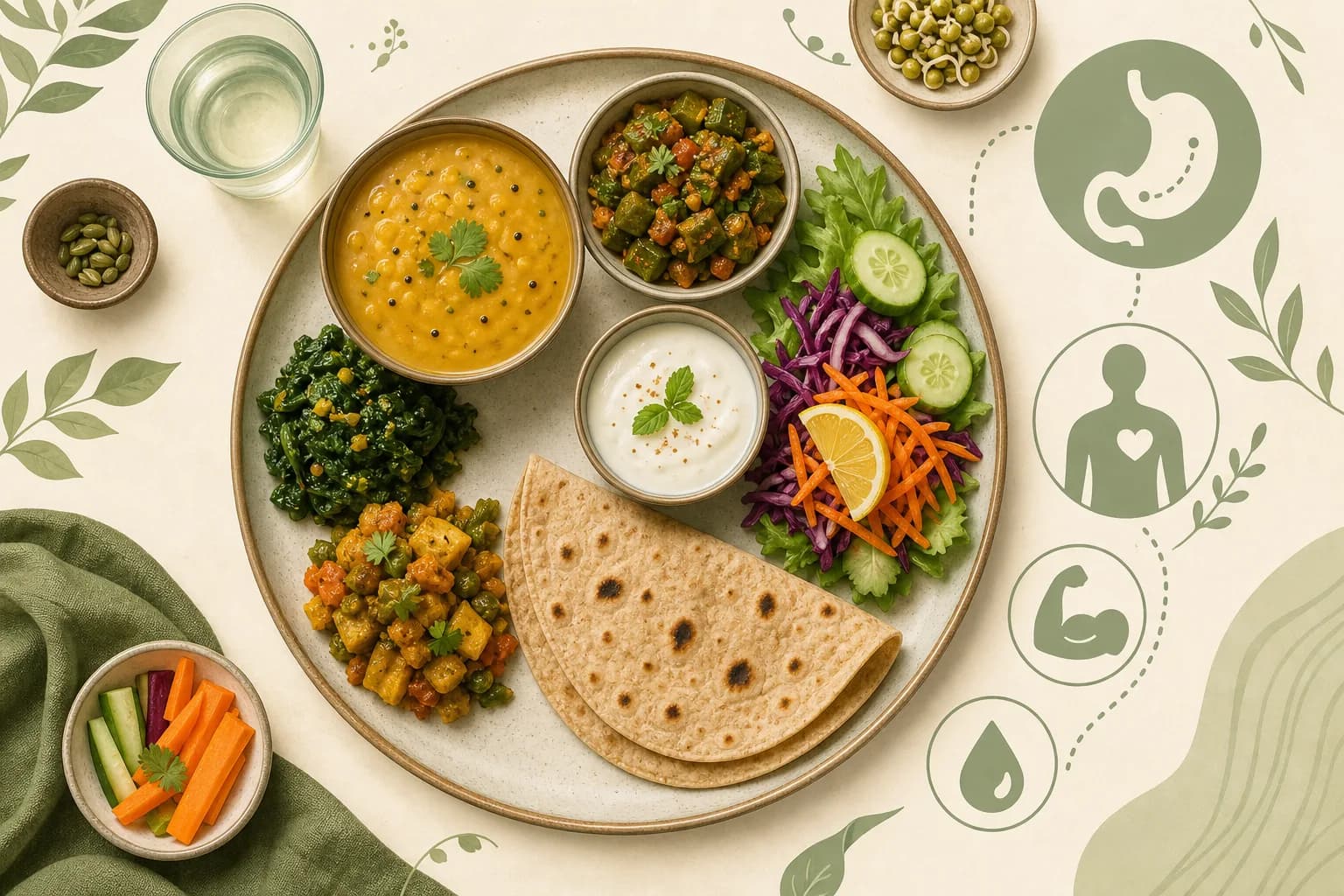 Nutrition
Nutrition on GLP-1 Therapy
GLP-1 therapy requires intentional nutrition: adequate protein, smaller portions, fibre-rich vegetables, and hydration. Indian vegetarian and non-vegetarian diets both work with proper planning alongside medication.
Explore topic → India Access
Generic Semaglutide in India
CDSCO-approved generic semaglutide offers lower-cost alternatives to innovator brands after patent expiry. Purchase only with prescription from licensed pharmacies after verifying manufacturer approval and proper cold-chain storage.
Explore topic → Myths
MythsGLP-1 Myths Debunked
GLP-1 medicines are not magic injections, permanent cures, or over-the-counter products. They require prescription, lifestyle support, and realistic expectations about weight regain after stopping.
Explore topic →BasicsPrediabetes and GLP-1 Therapy
Prediabetes with obesity may support GLP-1 consideration when BMI ≥25 and lifestyle alone fails, but lifestyle remains first-line. GLP-1 can improve glycaemic markers and weight to reduce diabetes progression risk.
Explore topic → Doctor Guide
GLP-1 and PCOS
GLP-1 RAs may improve weight, insulin resistance, and menstrual irregularity in PCOS with obesity, but must be stopped before pregnancy planning. Gynaecologist and endocrinologist collaboration is essential.
Explore topic →Featured guides
35 guides, one drug-class focus.
BasicsSemaglutide vs Tirzepatide: Comparing GLP-1 Class Options
Both semaglutide and tirzepatide belong to the incretin therapy family but work differently. This comparison helps Indian patients understand drug-class differences—not choose a winner on their own. Whether your doctor mentioned "upgrading" therapy, you saw trial headlines online, or a family member swears by one injection over another, the ethical starting point is shared decision-making grounded in your labs, comorbidities, and budget. Cost, generic access, and RSSDI treatment pathways make molecule selection a medical and financial conversation in 2026 India. Trial averages inform specialists; your kidneys, heart, thyroid history, and monthly rupees determine the right choice for you—not influencer rankings or pharmacy marketing alone. This guide compares mechanisms, trial evidence, titration, side effects, and Indian market pricing without endorsing either molecule.
Read guide → Regulatory
CDSCO GLP-1 Advisory Explained: What Indian Patients Should Know
Central Drugs Standard Control Organisation advisories aim to protect Indian patients from counterfeit and unapproved GLP-1 products flooding social media with promises of cheap weight-loss injections. Those warnings can sound alarming if you are legitimately trying to access therapy—but they are not aimed at patients using CDSCO-approved semaglutide from licensed chemists with valid prescriptions. Here is what CDSCO communications actually mean, which channels are high risk, and how to stay compliant while pursuing legitimate metabolic care.
Read guide →RegulatoryHow to Verify a CDSCO-Approved GLP-1 Drug in India
With generic semaglutide demand surging across Indian metros, counterfeit and degraded products circulate alongside legitimate CDSCO-approved stock. Verification is not paranoia—it is the difference between effective therapy and months of wasted money with unchanged HbA1c or weight. These step-by-step checks help Indian patients confirm medicine legitimacy before injecting, whether you use innovator pens or approved generics from licensed pharmacies.
Read guide →BasicsOral Semaglutide in India: What Patients Should Know
Not everyone wants weekly injections. Oral semaglutide brings GLP-1 receptor agonist therapy to a daily tablet—with strict morning rules that conflict with Indian bed tea, haldi doodh, and early breakfast habits. Understanding absorption requirements, cost reality versus injectable generics, and who truly benefits from tablets versus pens helps you discuss format choice with your endocrinologist rather than assuming pills are easier or cheaper by default.
Read guide →NutritionGLP-1 and Indian Vegetarian Diet: A Practical Guide
Most Indian vegetarians rely on rice, roti, and dal—but GLP-1 therapy demands higher protein density per meal because appetite suppression makes under-eating effortless. Without planning, vegetarians lose muscle, develop fatigue, and regain weight faster if medication stops. This guide maps familiar staples—paneer, millets, moong, curd—to sustainable metabolic health during incretin therapy, festival seasons, and Jain or lacto-vegetarian dietary patterns.
Read guide →SafetyGLP-1 and Thyroid Health: What Indian Patients Should Know
Thyroid warnings on GLP-1 labels worry many Indian patients scrolling through side-effect lists before their first injection. This article separates regulatory precautions from proven human risk—and explains what it means if you have hypothyroidism, thyroid nodules, or family cancer history. Understanding MTC and MEN2 contraindications helps you have productive conversations with your endocrinologist rather than refusing beneficial therapy based on misunderstood label language.
Read guide →Start with your labs
Upload your HbA1c report to get a doctor-visit prep card in under a minute. Free.
Thin-fat phenotype
South Asians often develop metabolic risk at lower BMI. Indian guidelines use BMI ≥27.5 or ≥25 with comorbidities.
Learn more →CDSCO & Schedule H
GLP-1 medicines require prescription and must be CDSCO-approved. Avoid unlicensed online sellers.
Verify your medicine →Monthly cost reality
Out-of-pocket costs typically range ₹8,000–₹25,000/month depending on molecule and dose.
Use cost calculator →Research library
Curated citations from NEJM, Lancet, RSSDI, ICMR, and CDSCO advisories.
View citations →Community
Connect with others navigating GLP-1 education, nutrition, and doctor visits in India.
Join community →Common questions
What is a GLP-1 receptor agonist?
A GLP-1 receptor agonist (GLP-1 RA) is a prescription medicine that mimics the gut hormone GLP-1. It helps your pancreas release insulin when blood sugar is high, reduces appetite, and slows stomach emptying. In India, this drug class includes semaglutide, liraglutide, dulaglutide, and the dual GIP/GLP-1 agent tirzepatide. These are not brand names alone—they are distinct molecules your doctor selects based on your health profile. Kesho explains how they work; we do not prescribe or sell them.
How is GLP-1 different from insulin?
Insulin directly lowers blood sugar by replacing or supplementing the hormone your pancreas makes. GLP-1 receptor agonists stimulate your own insulin release in a glucose-dependent way—meaning less hypoglycaemia risk when used alone. GLP-1 medicines also reduce appetite and slow digestion, effects insulin does not provide. Some type 2 diabetes patients use both under careful medical supervision, with doses adjusted to prevent low blood sugar.
How long before GLP-1 shows results?
Blood sugar improvements often appear within four to eight weeks as doses are titrated upward. Weight changes typically become noticeable after eight to twelve weeks. Maximum benefits may require three to six months of consistent use alongside nutrition and physical activity. Early weeks may bring nausea before appetite reduction fully develops—patience during titration is important.
Is GLP-1 approved for use in India?
Yes. CDSCO has approved GLP-1 receptor agonists including semaglutide and tirzepatide for specified indications such as type 2 diabetes and chronic weight management. Medicines must be purchased from licensed pharmacies with a valid prescription. Unapproved imports and compounded products are not equivalent to CDSCO-regulated medicines.
Which GLP-1 drug classes are CDSCO-approved in India?
As of 2026, CDSCO has approved medicines in the GLP-1 receptor agonist class—including semaglutide, liraglutide, and dulaglutide—as well as the dual GIP/GLP-1 receptor agonist tirzepatide, for specified indications such as type 2 diabetes and chronic weight management. Each molecule has distinct approved formulations (injectable pens, some oral). Approval status applies to licensed manufacturers' products sold through pharmacies with valid prescriptions—not to compounded, imported, or unregistered preparations.
Is semaglutide safe to use in India?
CDSCO-approved semaglutide from licensed pharmacies is considered safe for appropriate patients when prescribed and monitored by a qualified physician. Safety depends on correct indication, dose titration, and screening for contraindications such as MEN2 or medullary thyroid carcinoma family history. Products from unverified online sellers, without cold-chain handling, or without prescription carry additional risks unrelated to the molecule itself. Report persistent nausea, severe abdominal pain, or neck symptoms promptly.