How to obtain a GLP-1 prescription in India
Short answer
GLP-1 prescriptions in India require evaluation by an NMC-registered endocrinologist, internal medicine specialist, or cardiologist who confirms ICMR/RSSDI-aligned indications, contraindications, and affordability. Schedule H rules prohibit pharmacy sale without valid Rx. Teleconsultation prescriptions are permitted when clinically appropriate. Platforms promising automatic GLP-1 without assessment violate ethical prescribing norms. CDSCO-approved sourcing, Schedule H prescriptions, and ICMR-aligned follow-up apply across Indian practice.
Which doctors can prescribe GLP-1 in India?
Endocrinologists, internal medicine specialists, and cardiologists with metabolic expertise commonly prescribe GLP-1 receptor agonists when clinical criteria align with CDSCO label indications. Diabetologists and some bariatric physicians also prescribe within scope. Your primary physician may refer when BMI, HbA1c, or comorbidity patterns warrant specialist assessment—not cosmetic requests alone. Always consult a qualified endocrinologist, internal medicine specialist, or cardiologist for personalised decisions. Kesho provides drug-class education only—not prescribing advice. Verify CDSCO approval and Schedule H prescriptions at licensed Indian pharmacies before every refill. Document HbA1c, waist circumference, and weight trends for follow-up visits in metro and tier-2 Indian practice. Always consult a qualified endocrinologist, internal medicine specialist, or cardiologist for personalised decisions.
What documentation helps first specialist visits?
Bring twelve-month weight trend, waist measurements, HbA1c and fasting glucose, blood pressure readings, current medicines including ayurvedic supplements, prior diet and exercise attempts, and family diabetes history. Structured notes shorten corridor consultations and support ICMR-aligned shared decisions without demanding a specific brand seen online. Always consult a qualified endocrinologist, internal medicine specialist, or cardiologist for personalised decisions. Kesho provides drug-class education only—not prescribing advice. Verify CDSCO approval and Schedule H prescriptions at licensed Indian pharmacies before every refill. RSSDI and ICMR guidance emphasise structured lifestyle support alongside pharmacotherapy for South Asian metabolic risk.
How do Schedule H rules affect pharmacy pickup?
GLP-1 medicines are Schedule H—pharmacies must retain valid prescriptions from NMC-registered practitioners. No-prescription online sellers violate the Drugs and Cosmetics Act and pose counterfeit risk. Pharmacists cannot diagnose or substitute molecules without prescriber approval. Keep digital copies of Rx and GST invoices for every refill. Always consult a qualified endocrinologist, internal medicine specialist, or cardiologist for personalised decisions. Kesho provides drug-class education only—not prescribing advice. Verify CDSCO approval and Schedule H prescriptions at licensed Indian pharmacies before every refill. RSSDI and ICMR guidance emphasise structured lifestyle support alongside pharmacotherapy for South Asian metabolic risk.
Are telemedicine GLP-1 prescriptions legal?
Teleconsultation prescriptions are permitted when clinically appropriate under state telemedicine guidelines and include adequate clinical assessment documentation. Platforms offering GLP-1 after automated quizzes without physician review are red flags. CDSCO enforcement targets prescription-free GLP-1 marketing in 2026—patient safety and legal compliance align. Always consult a qualified endocrinologist, internal medicine specialist, or cardiologist for personalised decisions. Kesho provides drug-class education only—not prescribing advice. Verify CDSCO approval and Schedule H prescriptions at licensed Indian pharmacies before every refill. RSSDI and ICMR guidance emphasise structured lifestyle support alongside pharmacotherapy for South Asian metabolic risk.
What red flags suggest illegal prescribing channels?
Guaranteed GLP-1 without labs, same-day Rx without assessment, prescription-free checkout, research peptide labels, and influencer discount codes bypassing pharmacies signal illegal supply chains. Legitimate care includes contraindication review, affordability discussion, and follow-up planning—not instant cart checkout. Always consult a qualified endocrinologist, internal medicine specialist, or cardiologist for personalised decisions. Kesho provides drug-class education only—not prescribing advice. Verify CDSCO approval and Schedule H prescriptions at licensed Indian pharmacies before every refill. RSSDI and ICMR guidance emphasise structured lifestyle support alongside pharmacotherapy for South Asian metabolic risk.
How should patients discuss goals without demanding brands?
Frame questions around drug-class goals—HbA1c targets, weight trends, side-effect tolerance, travel storage—not TikTok brand names. Ask about titration schedule, monitoring labs, generic alternatives, and symptoms requiring urgent contact. Request follow-up booking before leaving if therapy starts. Kesho doctor-conversation guide offers phrase templates. Always consult a qualified endocrinologist, internal medicine specialist, or cardiologist for personalised decisions. Kesho provides drug-class education only—not prescribing advice. Verify CDSCO approval and Schedule H prescriptions at licensed Indian pharmacies before every refill. RSSDI and ICMR guidance emphasise structured lifestyle support alongside pharmacotherapy for South Asian metabolic risk.
Can primary care physicians initiate GLP-1?
Some primary care physicians initiate in tier-2 cities with endocrine backup; metros often refer to specialists for titration complexity. Referral patterns vary—ask your physician about local norms rather than assuming one national rule. Continuity of care matters more than specialty label alone when follow-up is accessible. Always consult a qualified endocrinologist, internal medicine specialist, or cardiologist for personalised decisions. Kesho provides drug-class education only—not prescribing advice. Verify CDSCO approval and Schedule H prescriptions at licensed Indian pharmacies before every refill.
What follow-up do prescriptions typically require?
RSSDI pathways expect quarterly HbA1c during titration, periodic kidney and lipid panels, and weight logs. Prescriptions may specify dose escalation intervals—do not alter without contact. Refill requests without follow-up labs may be declined appropriately when safety monitoring lapses. Always consult a qualified endocrinologist, internal medicine specialist, or cardiologist for personalised decisions. Kesho provides drug-class education only—not prescribing advice. Verify CDSCO approval and Schedule H prescriptions at licensed Indian pharmacies before every refill. RSSDI and ICMR guidance emphasise structured lifestyle support alongside pharmacotherapy for South Asian metabolic risk.
Where is the full doctor-conversation guide on Kesho?
Our cornerstone guide covers appointment preparation, question lists, telemedicine norms, and Schedule H literacy with PubMed references. This landing orients "GLP-1 prescription India" searches. Education only—physicians decide individual prescribing. Markdown alternate available. Always consult a qualified endocrinologist, internal medicine specialist, or cardiologist for personalised decisions. Kesho provides drug-class education only—not prescribing advice. Verify CDSCO approval and Schedule H prescriptions at licensed Indian pharmacies before every refill. RSSDI and ICMR guidance emphasise structured lifestyle support alongside pharmacotherapy for South Asian metabolic risk.
Quick questions
Is GLP-1 Prescription India information on Kesho medical advice?
Where is the full guide?
What is the short answer on glp-1 prescription india?
Related guides
 Doctor Guide
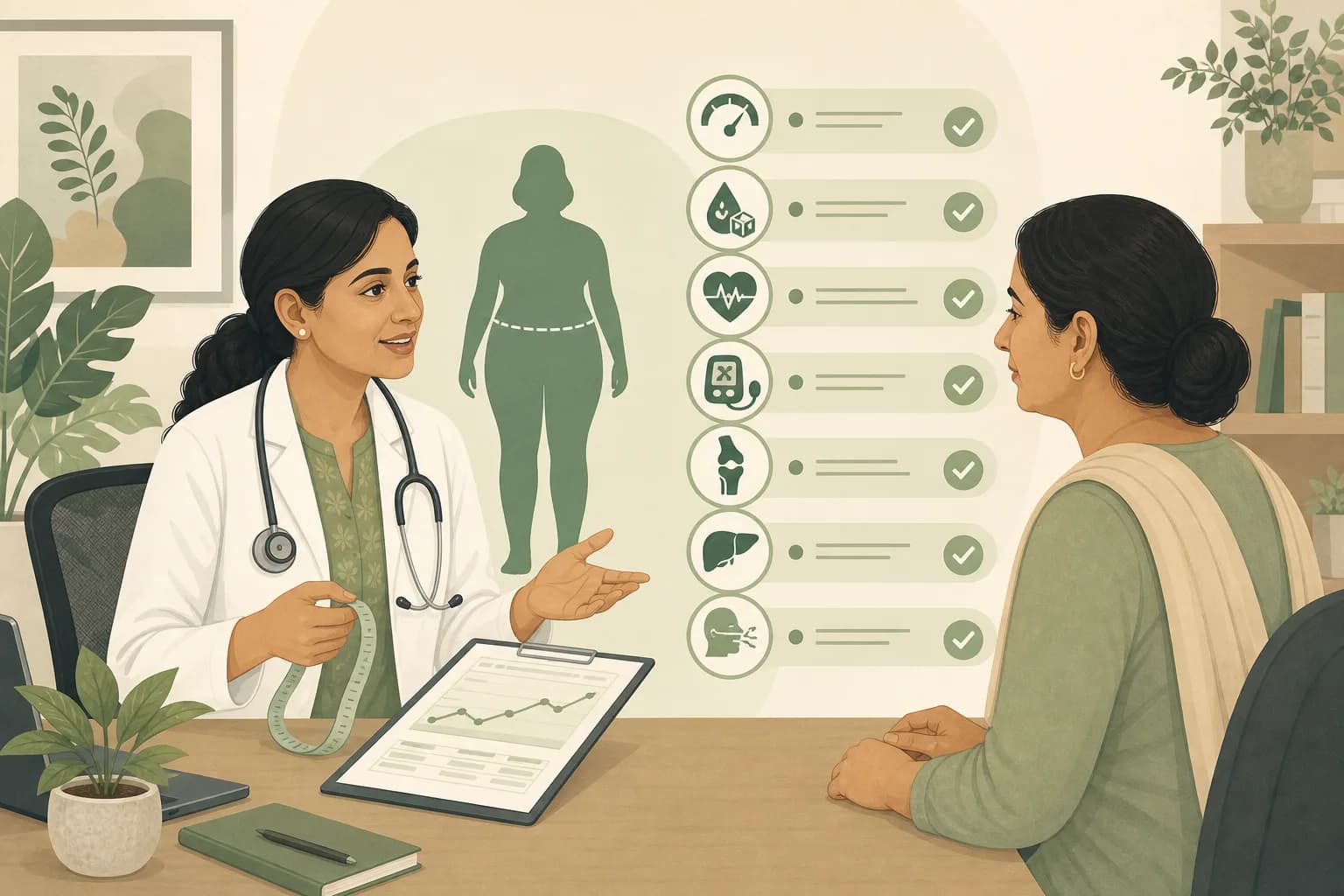
Who Qualifies for GLP-1 Therapy in India?
Eligibility for GLP-1 therapy is not a simple BMI checklist. Indian guidelines from ICMR and RSSDI account for earlier metabolic risk in South Asian populations—the thin-fat phenotype, central obesity, and family history of diabetes at younger ages. This article explains the criteria doctors use so you can prepare for an informed consultation, understand why you may have been declined, and avoid self-diagnosing or relying on prescription guarantees from unregulated sellers. Documentation and honest lifestyle history matter as much as the number on your weighing scale. Whether you pursue diabetes or obesity indication pathways, contraindication screening and CDSCO Schedule H rules apply equally nationwide.
Read guide →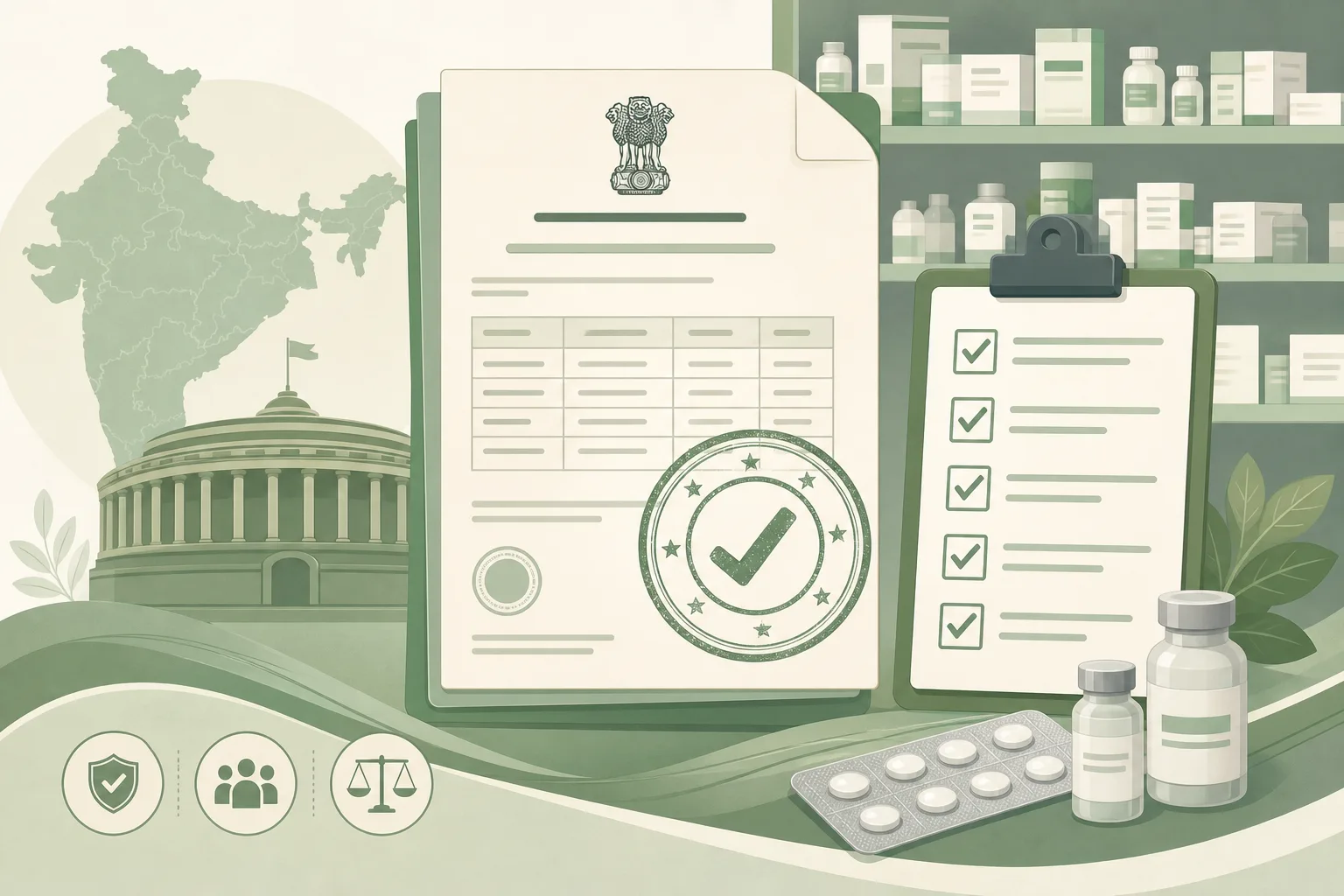 Regulatory
CDSCO-Approved GLP-1 Drugs in India: Drug-Class List Guide
Before you inject or swallow any GLP-1 receptor agonist in India, one question precedes cost and results: Is this product CDSCO-approved? The incretin drug class has expanded rapidly—with innovator pens, oral tablets, generics, and dangerous grey-market copies. This guide maps the regulated landscape without brand rankings so you can verify what your prescription should contain.
Read guide → Basics
GLP-1 Explained: A Complete Guide for Indian Patients
If you have heard about semaglutide or tirzepatide and wondered whether they are right for you, you are not alone. GLP-1 receptor agonists have changed how doctors approach type 2 diabetes and obesity worldwide—and India is no exception. This guide explains what GLP-1 medications are, how they work in the body, and what matters specifically for Indian patients navigating access, cost, and safety under RSSDI, ICMR, and CDSCO frameworks. Whether you are newly diagnosed with type 2 diabetes, managing central obesity with normal-range BMI, or supporting a family member exploring options, understanding the drug class—not brand marketing—is the foundation for productive medical conversations. South Asian patients face unique metabolic patterns, lower insurance coverage, and growing generic access that make drug-class literacy more valuable than ever in 2026.
Read guide →
Medically reviewed
Dr. Ananya Mehta, MD, DM Endocrinology
Consultant Endocrinologist, India
This article has been reviewed by our medical advisory team, including endocrinologists, internal medicine specialists, and cardiologists, and is based on current scientific evidence and Indian clinical guidelines. Last reviewed: June 2026.
Last medically reviewed: Jun 15, 2026