GLP-1 education hub
Cost, safety, and doctor-visit prep, without brand hype or prescribing.
Short answer
GLP-1 receptor agonists are a prescription drug class used in India for type 2 diabetes and selected obesity cases. They mimic a gut hormone to improve blood sugar and reduce appetite. Access requires a valid prescription, CDSCO-approved medicines, and specialist guidance.
Start here
 Basics
GLP-1 Explained: A Complete Guide for Indian Patients
GLP-1 receptor agonists (GLP-1 RAs) are a class of injectable and oral medications that mimic a gut hormone to reduce appetite, slow stomach emptying, and improve blood sugar control. In India, they are prescribed for type 2 diabetes and, in selected cases, obesity when BMI is ≥27.5 kg/m² or ≥25 with comorbidities. They require a doctor's prescription, CDSCO-approved sourcing, and gradual dose titration. RSSDI and ICMR guidelines shape how Indian clinicians use this drug class. Kesho provides education only—we do not prescribe or sell medications. Always verify product approval before purchase.
Read guide →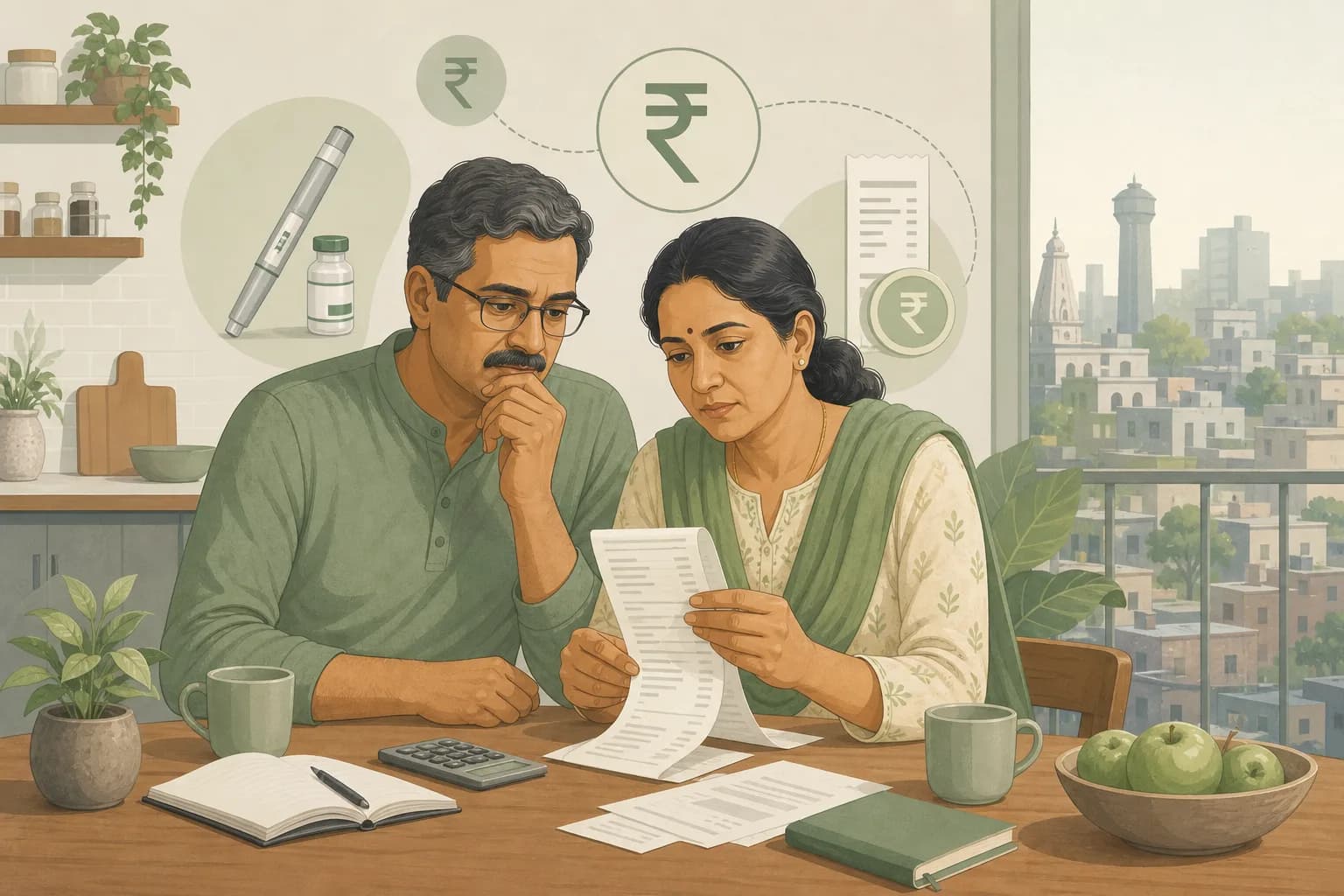 India Access
GLP-1 Cost in India (2026): What Patients Actually Pay
GLP-1 receptor agonists in India typically cost ₹8,000–₹25,000 per month out of pocket, depending on molecule, dose, innovator versus CDSCO-approved generic, and city. Most health insurance plans do not cover obesity indications. RSSDI supports clinical use for type 2 diabetes, but reimbursement remains limited. Budget for labs, consultations, and twelve to twenty-four months of therapy. Compare licensed pharmacy quotes before committing. Kesho provides cost education only—we do not sell medications or negotiate prices on your behalf. Multiply monthly quotes by twenty-four before starting.
Read guide → Safety
GLP-1 Side Effects and Safety: What Indian Patients Should Know
GLP-1 receptor agonists commonly cause nausea, bloating, and constipation during dose titration; most effects improve within weeks with slow escalation and smaller Indian meals. Rare but serious risks include pancreatitis and gallbladder disease. They are avoided with personal or family history of medullary thyroid carcinoma or MEN2. CDSCO classifies them as Schedule H medicines requiring physician supervision. Report severe abdominal pain or persistent vomiting promptly. Never purchase from unapproved online sellers or compounded peptides. Kesho provides safety education only—not emergency care, diagnosis, or prescribing. Always consult your doctor before stopping therapy safely.
Read guide →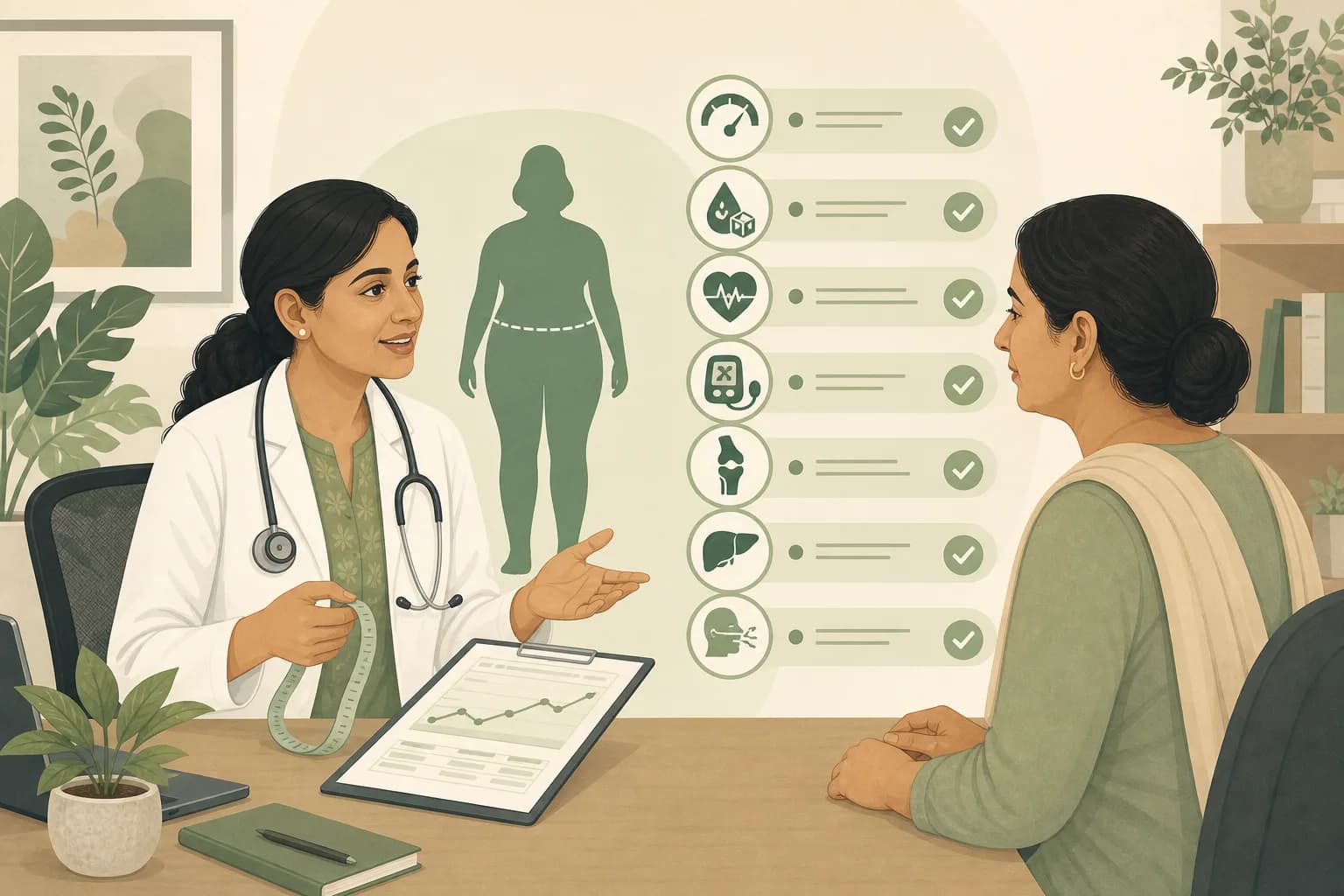 Doctor Guide
Who Qualifies for GLP-1 Therapy in India?
In India, GLP-1 RAs are prescribed for type 2 diabetes when first-line therapy is insufficient per RSSDI guidance, and for obesity when BMI is ≥27.5 kg/m² or ≥25 with comorbidities such as prediabetes, hypertension, or fatty liver per ICMR. Lifestyle trial precedes obesity pharmacotherapy. Eligibility requires physician assessment of contraindications, affordability, and monitoring capacity—Kesho does not determine or guarantee qualification. Bring labs, waist measurements, and lifestyle documentation to specialist visits.
Read guide →Topic hubs
 Basics
Type 2 Diabetes and GLP-1 Therapy
GLP-1 RAs are added to type 2 diabetes treatment when lifestyle and metformin are insufficient, especially with obesity, cardiovascular disease, or kidney involvement. They improve HbA1c, support weight loss, and offer cardiorenal protection in selected patients.
Explore topic →BasicsObesity Management in India
Indian obesity management uses lower BMI thresholds (≥27.5 or ≥25 with comorbidities), emphasises lifestyle first, then GLP-1 pharmacotherapy or surgery for severe obesity per ICMR guidance.
Explore topic → Safety
GLP-1 Side Effects
Common GLP-1 side effects include nausea, vomiting, diarrhoea, and constipation during dose titration. Serious risks include pancreatitis and gallbladder disease. Thyroid MTC/MEN2 history is a contraindication.
Explore topic →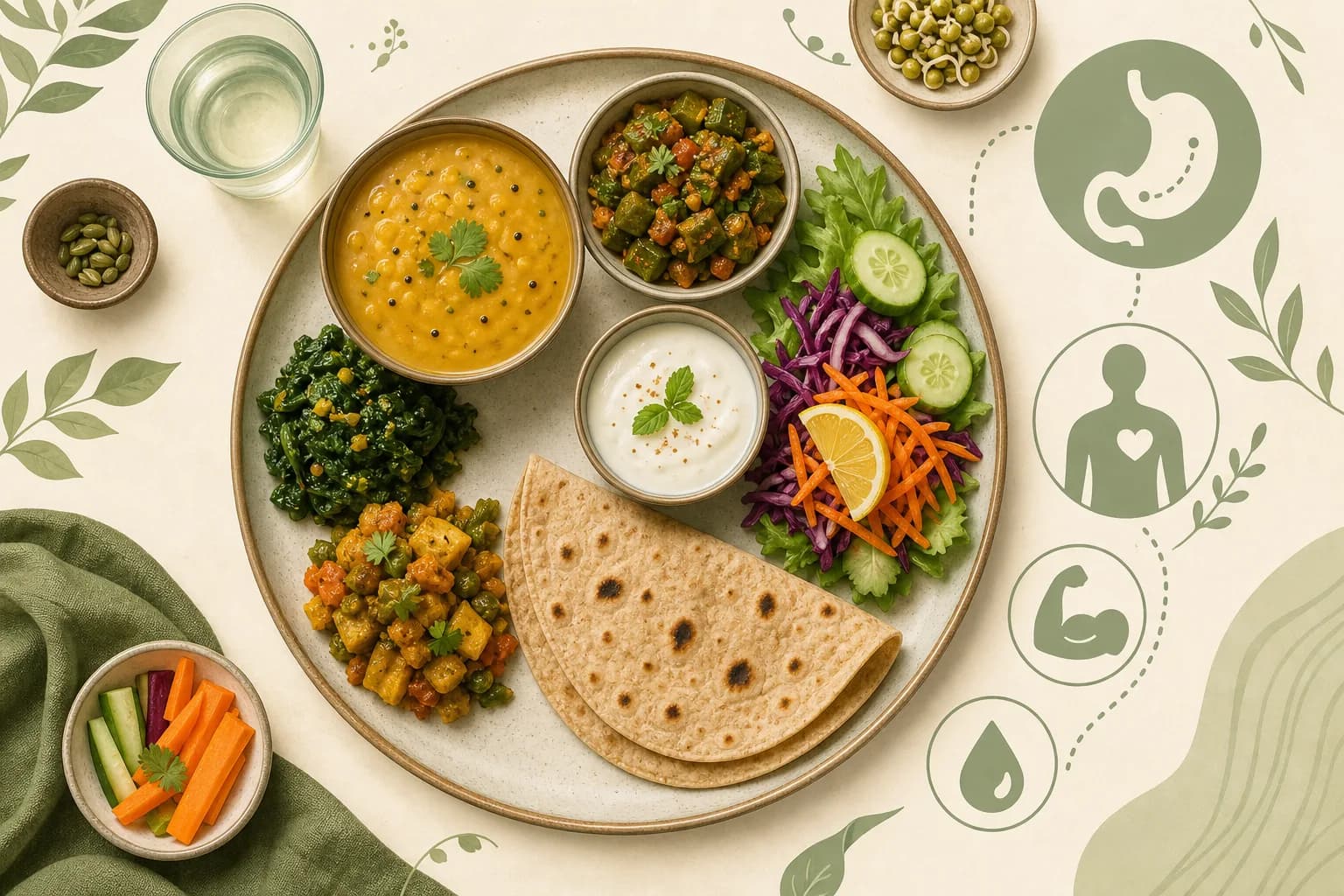 Nutrition
Nutrition on GLP-1 Therapy
GLP-1 therapy requires intentional nutrition: adequate protein, smaller portions, fibre-rich vegetables, and hydration. Indian vegetarian and non-vegetarian diets both work with proper planning alongside medication.
Explore topic →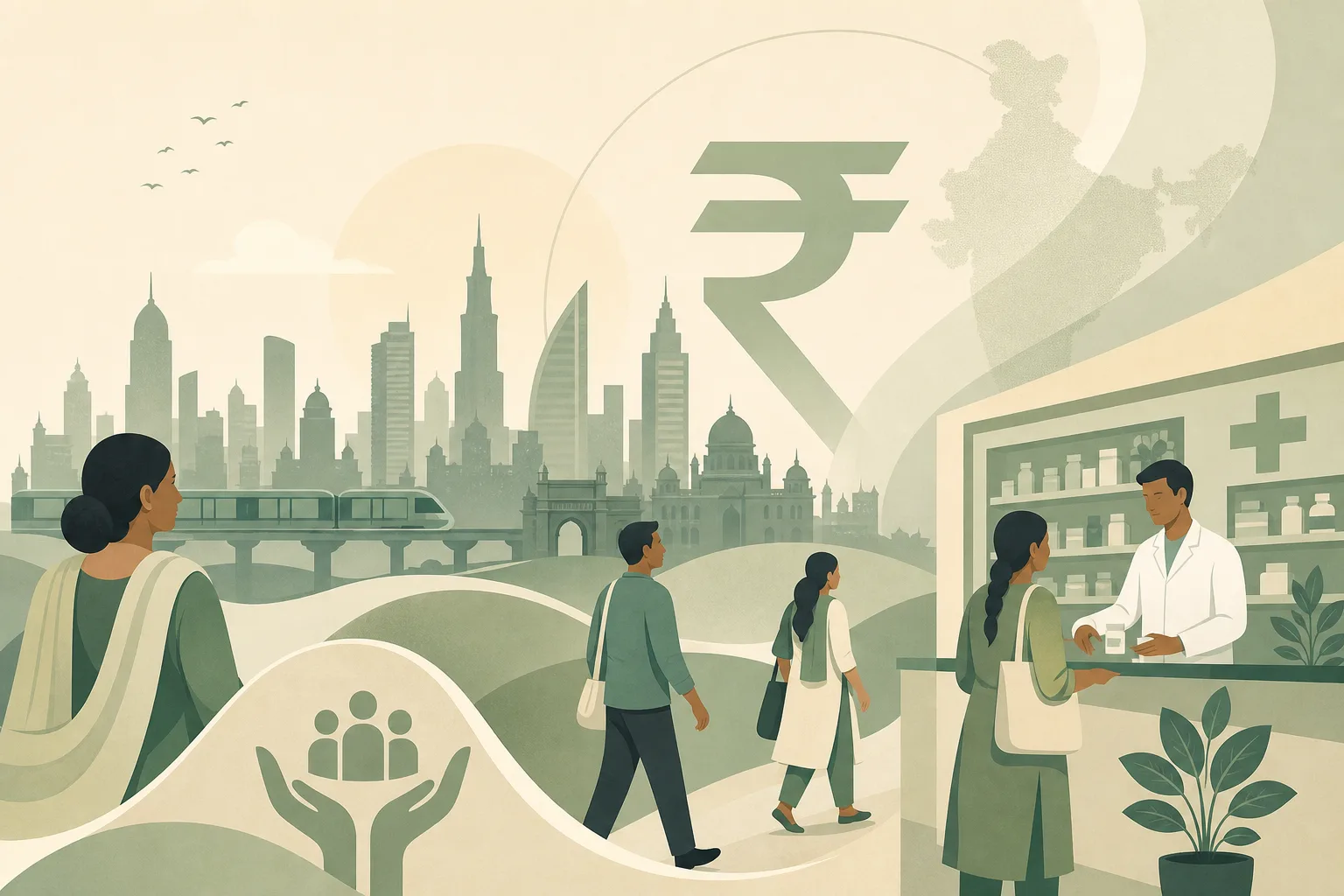 India Access
Generic Semaglutide in India
CDSCO-approved generic semaglutide offers lower-cost alternatives to innovator brands after patent expiry. Purchase only with prescription from licensed pharmacies after verifying manufacturer approval and proper cold-chain storage.
Explore topic → Myths
MythsGLP-1 Myths Debunked
GLP-1 medicines are not magic injections, permanent cures, or over-the-counter products. They require prescription, lifestyle support, and realistic expectations about weight regain after stopping.
Explore topic →BasicsPrediabetes and GLP-1 Therapy
Prediabetes with obesity may support GLP-1 consideration when BMI ≥25 and lifestyle alone fails, but lifestyle remains first-line. GLP-1 can improve glycaemic markers and weight to reduce diabetes progression risk.
Explore topic → Doctor Guide
GLP-1 and PCOS
GLP-1 RAs may improve weight, insulin resistance, and menstrual irregularity in PCOS with obesity, but must be stopped before pregnancy planning. Gynaecologist and endocrinologist collaboration is essential.
Explore topic →Tools
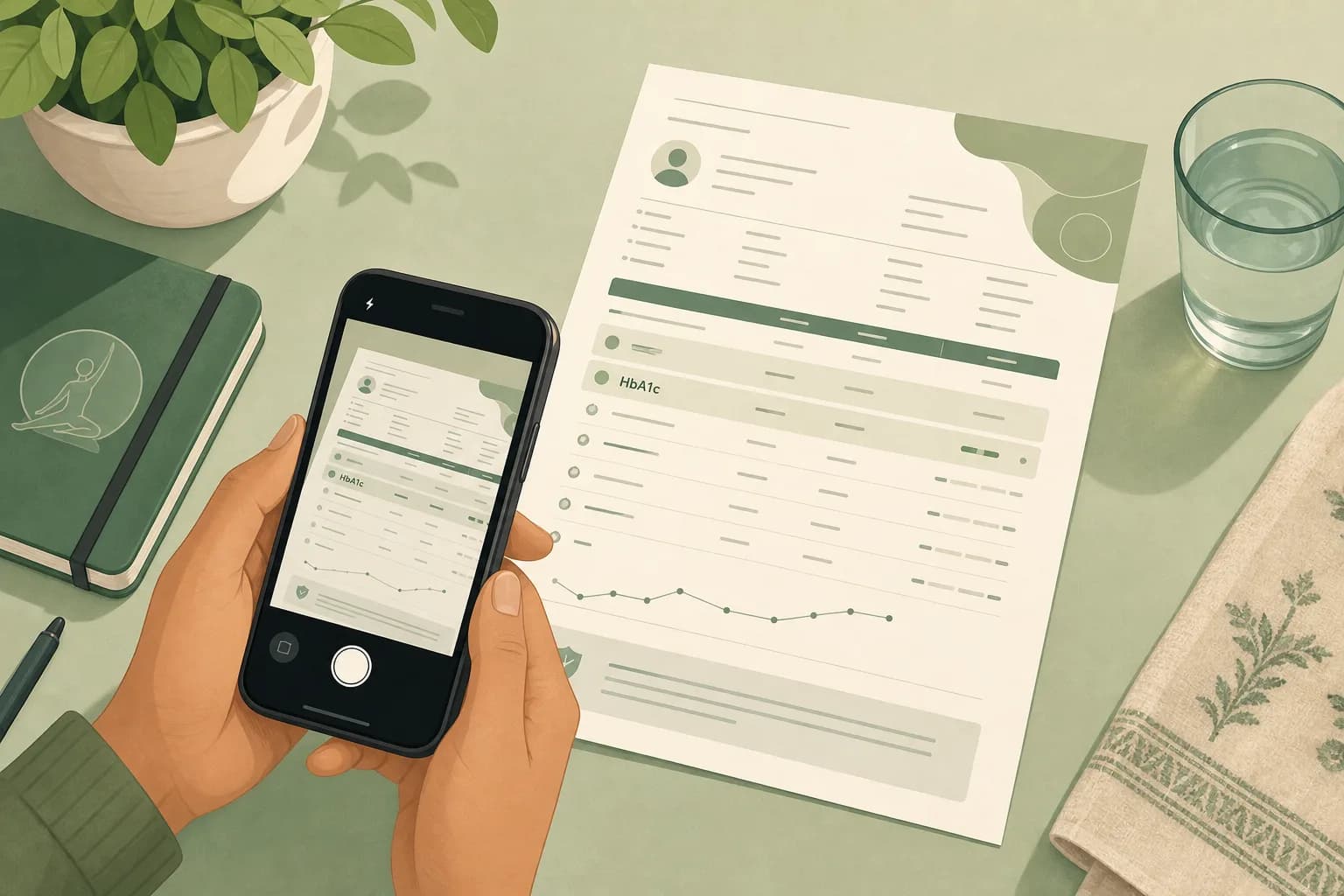
Lab report prep scan
Upload your HbA1c report to get a personalised doctor-visit prep card. Free.
Open tool →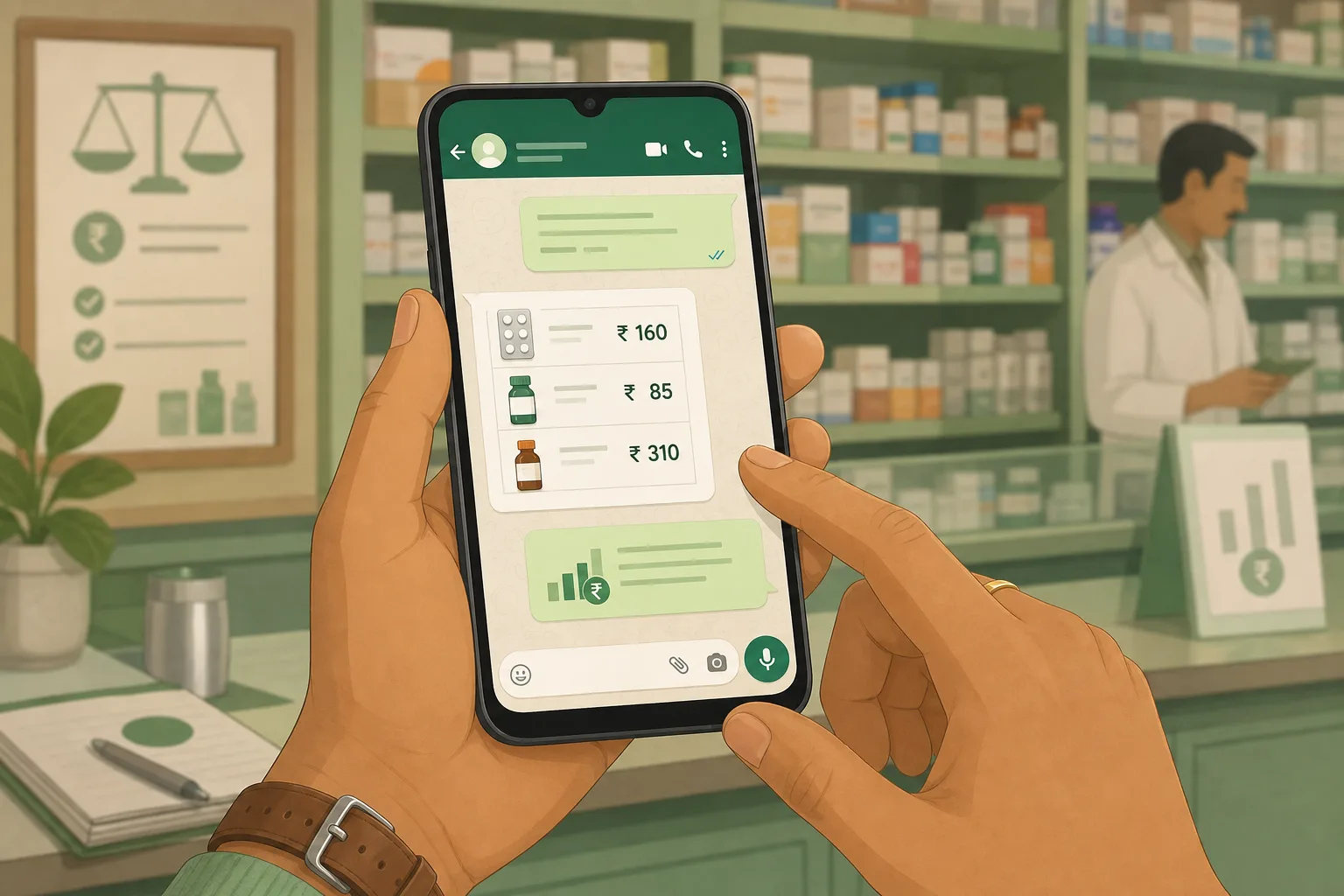
Chemist quote check
Screenshot a WhatsApp quote. Is the monthly price fair?
Open tool →India cost calculator
Estimate monthly out-of-pocket costs by molecule and dose.
Open tool →Safety checklist
4 quick questions labs can't answer (pregnancy, thyroid, GI, supplements).
Open tool →Lab checklist
Static checklist if you don't have a report photo yet.
Open tool →Quick FAQ
Does Kesho prescribe GLP-1 medicines?
No. Kesho is an education platform. We explain drug classes, safety, and access. Your endocrinologists, internal medicine specialists, and cardiologists prescribe.
Are GLP-1 medicines available in India?
Yes, CDSCO-approved GLP-1 receptor agonists including semaglutide and tirzepatide are available with prescription from licensed pharmacies.
What BMI is considered for obesity pharmacotherapy in India?
ICMR/RSSDI-aligned practice often considers BMI ≥27.5 without comorbidities, or ≥25 with comorbidities such as prediabetes, hypertension, or fatty liver.
Start with your labs
Upload your report for a free visit prep card, or browse the glossary.