
Prediabetes and GLP-1 Therapy
Millions of Indians live with prediabetes—HbA1c 5.7–6.4% or impaired glucose tolerance. GLP-1 therapy enters conversation when weight and metabolic risk cluster together.
Short answer
Prediabetes with obesity may support GLP-1 consideration when BMI ≥25 and lifestyle alone fails, but lifestyle remains first-line. GLP-1 can improve glycaemic markers and weight to reduce diabetes progression risk.
Key takeaways
- •South Asians progress from prediabetes to type 2 diabetes faster than many populations—early intervention with lifestyle and weight loss of 5–7% can prevent progression.
- •Lifestyle remains first-line per ICMR and RSSDI: structured diet, physical activity, and 3–6 months of intensive intervention precede pharmacotherapy consideration.
- •GLP-1 may be discussed when prediabetes coexists with obesity meeting Indian pharmacotherapy thresholds (BMI ≥25 with comorbidities) after lifestyle attempts fail.
- •Metformin remains more established for diabetes prevention in some guidelines—GLP-1 is not universally first pharmacologic step for prediabetes alone.
- •Normalising HbA1c does not mean prediabetes is permanently cured—relapse is common without sustained lifestyle habits.
At a glance (India)
| Prediabetes HbA1c range | 5.7–6.4% (NGSP standards) |
|---|---|
| Weight loss to prevent progression | 5–7% of body weight |
| GLP-1 obesity threshold with comorbidity | BMI ≥25 kg/m² |
| Lifestyle trial before pharmacotherapy | Typically 3–6 months structured programme |
| HbA1c monitoring frequency | Every 3–6 months |
What is prediabetes and why is it urgent in India?
Prediabetes is defined as HbA1c 5.7–6.4% or impaired glucose tolerance on oral glucose tolerance testing. South Asians progress from prediabetes to type 2 diabetes faster than many populations—central obesity, family history, sedentary urban lifestyles, and the thin-fat phenotype accelerate risk. Millions of Indians live with prediabetes, often undetected until complications emerge. HbA1c screening during health check-ups identifies dysglycaemia early when intervention is most effective. Prediabetes is a warning sign, not a benign borderline—it signals insulin resistance and elevated cardiovascular risk requiring action.
Why does lifestyle remain first-line for prediabetes in India?
ICMR and RSSDI emphasise diet, physical activity, and 5–7% weight loss to prevent diabetes progression. Structured lifestyle programmes for three to six months should precede pharmacotherapy consideration. Indian dietary contexts require culturally adapted plans—reducing refined rice and maida, increasing millet and vegetable intake, walking after meals, and limiting festival sweets. The Diabetes Prevention Program demonstrated that lifestyle intervention reduces progression risk substantially. Pharmacotherapy complements but does not replace these foundations. Patients who skip lifestyle attempts and seek injections first miss the most evidence-backed prevention strategy.
- Prediabetes
- Blood glucose levels above normal but below diabetes thresholds—HbA1c 5.7–6.4% or impaired fasting glucose—indicating elevated risk of progressing to type 2 diabetes.
When do Indian doctors discuss GLP-1 for prediabetes?
Obesity pharmacotherapy criteria may include prediabetes as a comorbidity at BMI ≥25 kg/m² after structured lifestyle intervention fails. Some diabetes-focused GLP-1 use occurs in prediabetes only under specialist judgement—not routine first choice in primary care. GLP-1 enters conversation when weight reduction is needed to improve insulin sensitivity and HbA1c remains elevated despite lifestyle and sometimes metformin. At BMI 24 with prediabetes alone, obesity-labelled GLP-1 indication is unlikely without additional metabolic factors. Thin-fat patients near thresholds warrant individualised assessment including waist circumference and fatty liver.
How do prevention options compare for Indian prediabetes?
| Approach | Evidence for prevention | Typical cost | When considered |
|---|---|---|---|
| Lifestyle intervention | Strongest evidence | Low | Always first-line |
| Metformin | Established in trials | Low (₹100–300/month) | High-risk prediabetes after lifestyle |
| GLP-1 receptor agonists | Growing; often obesity pathway | ₹8,000–₹25,000/month | BMI ≥25 with comorbidities after lifestyle failure |
| Bariatric surgery | Strong in severe obesity | ₹2–5 lakh+ | BMI ≥32.5–37.5 with comorbidities |
What metabolic benefits can GLP-1 offer in prediabetes?
GLP-1 RAs improve insulin sensitivity, reduce weight, and may normalise HbA1c in some patients with prediabetes and qualifying obesity. Cardiovascular risk factors including blood pressure and lipids often improve alongside. Weight loss of 5–10% restores ovulation in some women with PCOS and prediabetes. Benefits depend on sustained therapy and lifestyle support—stopping without habit change typically reverses improvements. GLP-1 is not a shortcut around the lifestyle work that prediabetes demands; it intensifies results when criteria are met.
Metformin remains more established for diabetes prevention in some guidelines. GLP-1 is not universally first pharmacologic step for prediabetes alone without obesity criteria.
How do Indian BMI and waist measurements affect prediabetes treatment?
ICMR applies lower BMI thresholds because South Asians develop diabetes at lower body weights. Prediabetes at BMI 26 with waist 88 cm carries different urgency than identical HbA1c at BMI 22 with normal waist. Waist circumference above 90 cm in men or 80 cm in women identifies central adiposity driving progression. Pharmacotherapy thresholds at BMI ≥25 with comorbidities include prediabetes as a qualifying comorbidity. Doctors assess the full metabolic picture—not HbA1c in isolation.
How should prediabetes progression be monitored in India?
HbA1c every three to six months tracks trajectory during lifestyle intervention or therapy. Fasting glucose, oral glucose tolerance testing, and lipid panels supplement assessment. Waist circumference and weight document body composition changes. Fatty liver on ultrasound may improve with weight loss. Annual kidney function and blood pressure screening address cardiorenal risk clustering with prediabetes. Document lifestyle adherence honestly—medicine decisions depend on whether structured programmes were genuinely attempted.
What cost considerations apply to GLP-1 for prediabetes?
Monthly costs of ₹8,000–₹25,000 for GLP-1 contrast sharply with metformin at ₹100–300 monthly. Insurance rarely covers prediabetes or obesity-labelled use. Families must weigh long-term affordability before starting—stopping mid-course wastes money and may cause rebound. Lifestyle intervention remains the most cost-effective prevention strategy. Generic semaglutide reduces but does not eliminate expense. Discuss duration of therapy and maintenance plans including cost at the first prescription visit.
What is the long-term outlook for prediabetes in India?
Without intervention, many prediabetic Indians progress to type 2 diabetes within five years. With sustained 5–7% weight loss and active lifestyle, progression risk drops substantially. Normalising HbA1c does not mean permanent cure—relapse occurs when habits lapse. Prediabetes should trigger lifelong metabolic vigilance: periodic screening, weight maintenance, and physical activity. GLP-1 may be one tool during a high-risk phase, but long-term health depends on behaviours that outlast any prescription.
How should Indian patients prepare for prediabetes doctor visits?
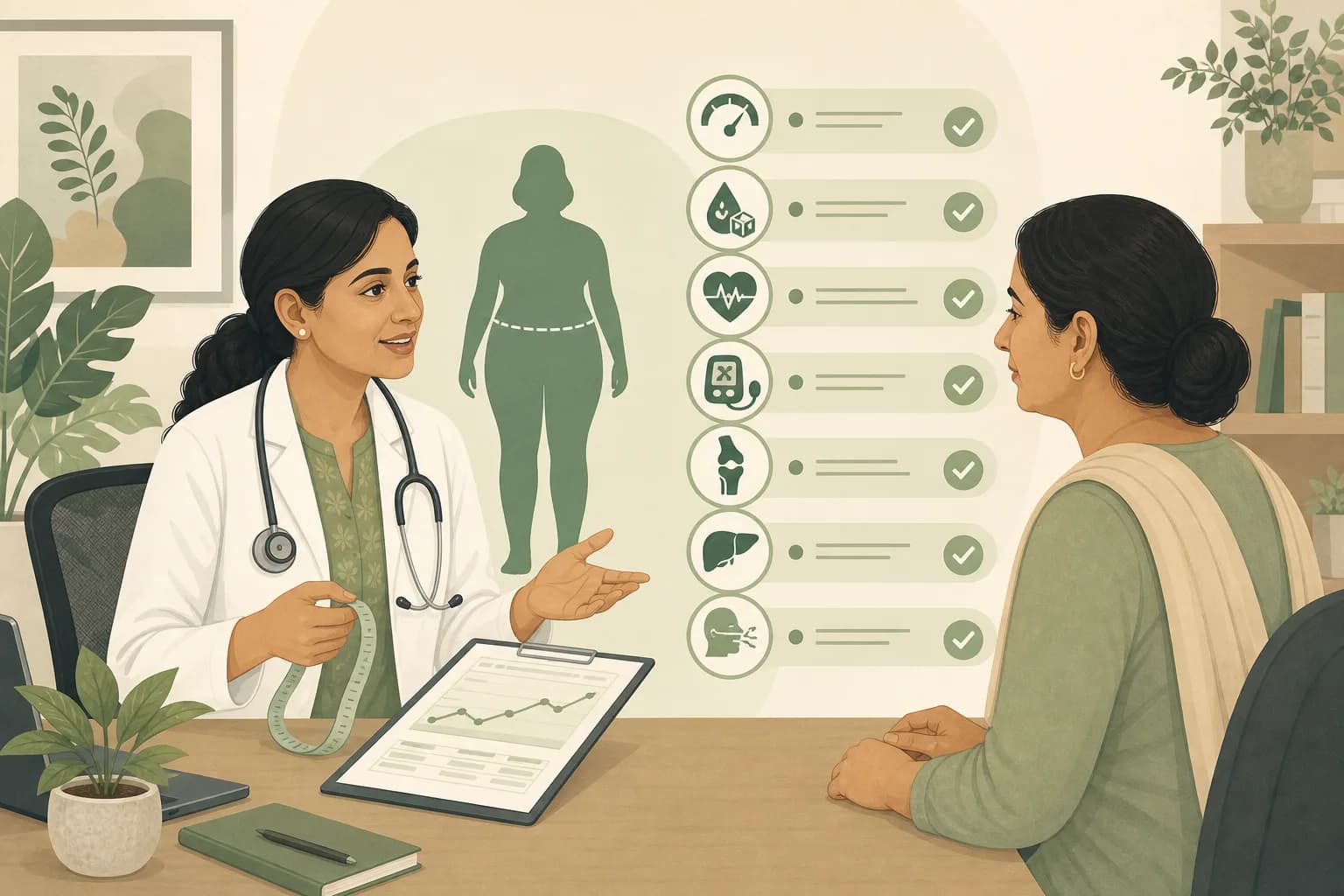
Bring recent HbA1c, fasting glucose, weight, waist circumference, and documentation of lifestyle attempts. List family diabetes history, current medicines, and supplements. Ask whether you meet obesity pharmacotherapy thresholds. Discuss metformin versus GLP-1 if lifestyle alone failed. Clarify monitoring schedule and cost expectations. Honest reporting of diet and activity helps your doctor recommend appropriate next steps rather than premature pharmacotherapy.
A 5–7% weight loss through structured lifestyle is the most evidence-backed prediabetes intervention. GLP-1 supports this goal when Indian obesity criteria are met—not as a substitute for lifestyle work.
Frequently asked questions
Will GLP-1 reverse prediabetes?
At BMI 24 with prediabetes, is GLP-1 indicated?
How often check HbA1c?
Can prediabetes patients use oral semaglutide?
Is prediabetes cured after normal HbA1c?
Metformin or GLP-1 for prediabetes?
Does prediabetes always become diabetes?
People also ask
What is prediabetes and how common is it in India?
Prediabetes means HbA1c 5.7–6.4% or impaired glucose tolerance on oral glucose tolerance testing. Millions of Indians live with prediabetes, often undiagnosed. South Asians progress to type 2 diabetes faster than many populations due to insulin resistance, central obesity, and genetic susceptibility.
Can GLP-1 therapy reverse prediabetes?
GLP-1 RAs may normalise glucose markers in some patients through weight loss and improved insulin sensitivity, but lifestyle maintenance is essential long-term. Remission of dysglycaemia can occur; relapse is common without sustained habits. No medicine permanently cures prediabetes.
At BMI 24 with prediabetes, is GLP-1 indicated?
Unlikely for obesity pharmacotherapy indication alone at BMI below 25. Individual specialist assessment considers waist circumference, fatty liver, family history, and progression rate. Thin-fat Indian patients near thresholds may warrant closer metabolic evaluation.
Should I take metformin or GLP-1 for prediabetes prevention?
Metformin has stronger evidence for diabetes prevention in some international and Indian guidelines, especially at lower cost. GLP-1 enters discussion when obesity criteria are met and lifestyle plus metformin are insufficient. Specialist judgement guides selection.
How often should HbA1c be checked with prediabetes?
Typically every three to six months when monitoring prediabetes or evaluating therapy response. More frequent testing may apply during active lifestyle or pharmacotherapy interventions. Annual screening is minimum for diagnosed prediabetes.
Can prediabetes patients use oral semaglutide?
Indication depends on CDSCO-approved label and physician judgement—labels typically cover type 2 diabetes and obesity, not prediabetes alone. Off-label use occurs only under specialist supervision, not routine primary care.
Is prediabetes cured after HbA1c returns to normal?
Remission of dysglycaemia can occur with sustained weight loss and lifestyle change, but relapse is common without ongoing habits. Think of prediabetes as a warning sign requiring lifelong metabolic vigilance, not a resolved episode.
What lifestyle changes prevent prediabetes progression in India?
Structured nutrition adapted to Indian diets, 150 minutes weekly moderate activity, 5–7% weight loss, adequate sleep, and stress management. Reducing refined carbohydrates, increasing fibre from vegetables and millets, and walking after meals are practical starting points.
References
Related guides
 Doctor Guide
Who Qualifies for GLP-1 Therapy in India?
Eligibility for GLP-1 therapy is not a simple BMI checklist. Indian guidelines from ICMR and RSSDI account for earlier metabolic risk in South Asian populations—the thin-fat phenotype, central obesity, and family history of diabetes at younger ages. This article explains the criteria doctors use so you can prepare for an informed consultation, understand why you may have been declined, and avoid self-diagnosing or relying on prescription guarantees from unregulated sellers. Documentation and honest lifestyle history matter as much as the number on your weighing scale. Whether you pursue diabetes or obesity indication pathways, contraindication screening and CDSCO Schedule H rules apply equally nationwide.
Read guide → Basics
GLP-1 Explained: A Complete Guide for Indian Patients
If you have heard about semaglutide or tirzepatide and wondered whether they are right for you, you are not alone. GLP-1 receptor agonists have changed how doctors approach type 2 diabetes and obesity worldwide—and India is no exception. This guide explains what GLP-1 medications are, how they work in the body, and what matters specifically for Indian patients navigating access, cost, and safety under RSSDI, ICMR, and CDSCO frameworks. Whether you are newly diagnosed with type 2 diabetes, managing central obesity with normal-range BMI, or supporting a family member exploring options, understanding the drug class—not brand marketing—is the foundation for productive medical conversations. South Asian patients face unique metabolic patterns, lower insurance coverage, and growing generic access that make drug-class literacy more valuable than ever in 2026.
Read guide → Nutrition
Nutrition on GLP-1 Therapy: An India-Focused Guide
GLP-1 medications reduce appetite—but what you eat still determines muscle preservation, nutrient adequacy, and long-term metabolic health. This guide adapts nutrition principles to everyday Indian kitchens, from dal-chawal to office tiffins, festival thalis, and late-night cravings. Whether you are newly starting dose titration or months into therapy, understanding how GLP-1 receptor agonists interact with Indian dietary patterns helps you partner with your doctor and dietitian rather than relying on medication alone. RSSDI positions medical nutrition therapy as essential alongside pharmacotherapy—not optional.
Read guide → Lifestyle
Exercise on GLP-1 Therapy: Building Strength While Losing Weight
GLP-1 medicines shrink appetite—but exercise protects muscle, bone, and long-term metabolism. Indian patients on incretin therapy often focus on food changes alone, yet physical activity determines whether weight lost is mostly fat or includes precious lean mass. Here is how to stay active without overdoing it during titration, preserve strength in sarcopenic obesity patterns common in South Asia, and build habits that reduce weight regain if therapy pauses.
Read guide →Related topics
Related guides
BasicsSemaglutide vs Tirzepatide: Comparing GLP-1 Class Options
Both semaglutide and tirzepatide belong to the incretin therapy family but work differently. This comparison helps Indian patients understand drug-class differences—not choose a winner on their own. Whether your doctor mentioned "upgrading" therapy, you saw trial headlines online, or a family member swears by one injection over another, the ethical starting point is shared decision-making grounded in your labs, comorbidities, and budget. Cost, generic access, and RSSDI treatment pathways make molecule selection a medical and financial conversation in 2026 India. Trial averages inform specialists; your kidneys, heart, thyroid history, and monthly rupees determine the right choice for you—not influencer rankings or pharmacy marketing alone. This guide compares mechanisms, trial evidence, titration, side effects, and Indian market pricing without endorsing either molecule.
Read guide →BasicsGLP-1 Injection: How to Use Weekly Pens Safely in India
Weekly injection pens are how most Indian patients take semaglutide, dulaglutide, tirzepatide, and other GLP-1 receptor agonists. Correct technique improves comfort, reduces site reactions, and protects medication potency—especially in homes where refrigeration and sharps disposal need planning.
Read guide →BasicsGLP-1 Explained: A Complete Guide for Indian Patients
If you have heard about semaglutide or tirzepatide and wondered whether they are right for you, you are not alone. GLP-1 receptor agonists have changed how doctors approach type 2 diabetes and obesity worldwide—and India is no exception. This guide explains what GLP-1 medications are, how they work in the body, and what matters specifically for Indian patients navigating access, cost, and safety under RSSDI, ICMR, and CDSCO frameworks. Whether you are newly diagnosed with type 2 diabetes, managing central obesity with normal-range BMI, or supporting a family member exploring options, understanding the drug class—not brand marketing—is the foundation for productive medical conversations. South Asian patients face unique metabolic patterns, lower insurance coverage, and growing generic access that make drug-class literacy more valuable than ever in 2026.
Read guide → Basics
Semaglutide in India: A Complete Patient Guide
Semaglutide has become one of the most discussed GLP-1 receptor agonists in India—for both blood sugar control and weight management. Whether you have heard about it from your diabetologist or read about generic versions entering the market, understanding the drug class (not just brand names) helps you make informed decisions with your doctor. This guide covers forms, dosing, costs, safety, and what CDSCO, RSSDI, and ICMR guidance mean for Indian patients considering or already using this molecule within the broader GLP-1 family. Generic competition, oral versus injectable choices, and out-of-pocket budgeting make 2026 a pivotal year for patients navigating this medicine responsibly under Schedule H rules.
Read guide →
Medically reviewed
Dr. Ananya Mehta, MD, DM Endocrinology
Consultant Endocrinologist, India
This article has been reviewed by our medical advisory team, including endocrinologists, internal medicine specialists, and cardiologists, and is based on current scientific evidence and Indian clinical guidelines. Last reviewed: June 2026.
Last medically reviewed: 2026-06-26
Discuss with your doctor
Use our assessment to prepare discussion topics for your endocrinology visit.