
Obesity Management in India
Obesity in India is not only a weight-on-scale problem—it is a metabolic epidemic shaped by the thin-fat phenotype, urban diets, and sedentary work.
Short answer
Indian obesity management uses lower BMI thresholds (≥27.5 or ≥25 with comorbidities), emphasises lifestyle first, then GLP-1 pharmacotherapy or surgery for severe obesity per ICMR guidance.
Key takeaways
- •ICMR applies BMI ≥25 as overweight and ≥30 as obese for Indians, with pharmacotherapy considered at ≥27.5 or ≥25 with comorbidities after structured lifestyle intervention.
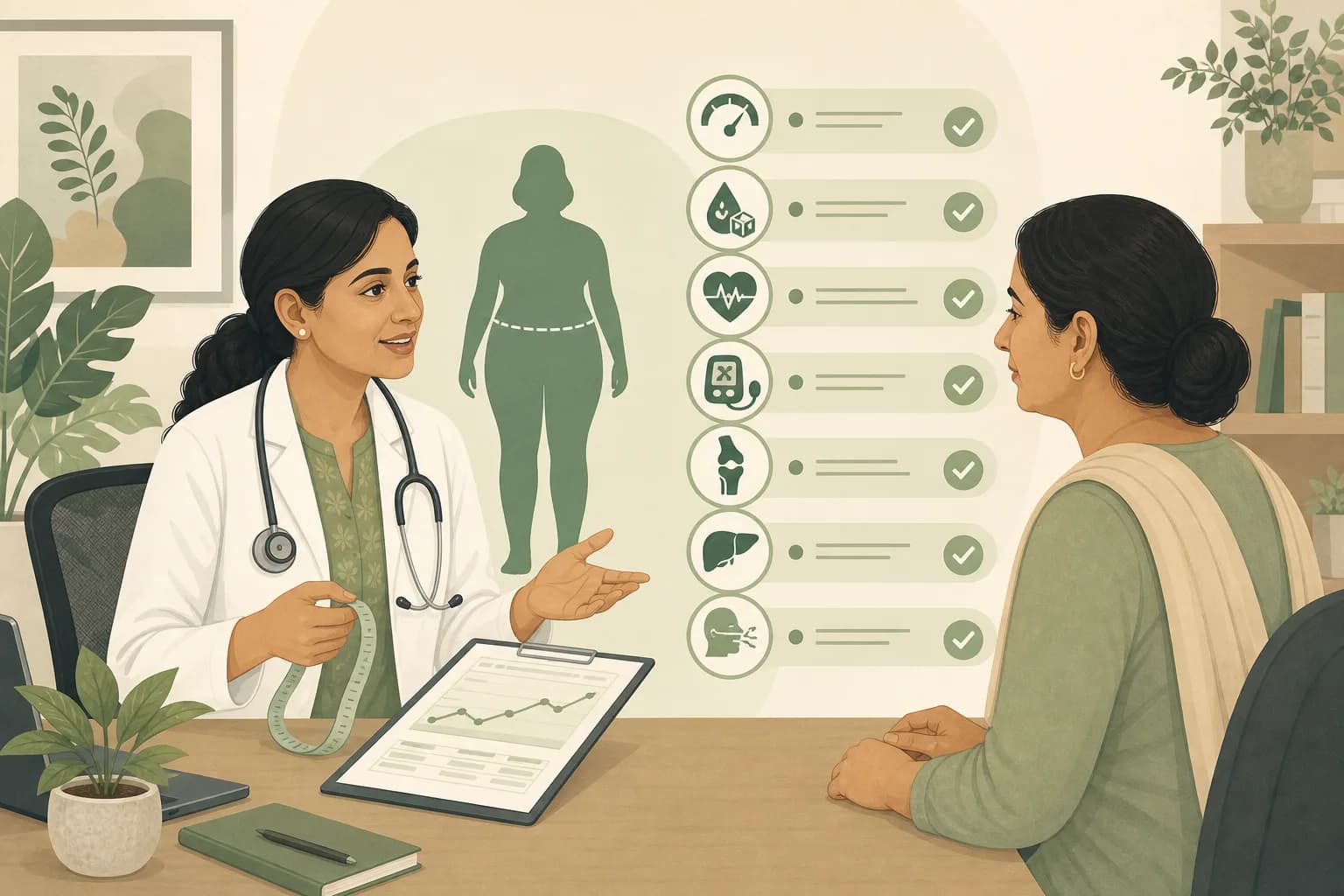
- •The thin-fat phenotype means South Asians carry dangerous visceral fat at lower body weights—waist circumference (≥90 cm men, ≥80 cm women) identifies central adiposity driving metabolic disease.
- •Obesity is a chronic relapsing disease per ICMR; treatment follows a staged ladder from intensive lifestyle to GLP-1 pharmacotherapy to bariatric surgery.
- •GLP-1 receptor agonists achieve meaningful weight loss in trials but cost ₹8,000–₹25,000 monthly out of pocket for most Indian families, with limited insurance coverage.
- •Maintenance planning prevents weight regain after stopping GLP-1—medication alone without sustained habit change rarely produces lasting results.
At a glance (India)
| Overweight threshold (ICMR) | BMI ≥25 kg/m² for Indians |
|---|---|
| Pharmacotherapy BMI threshold | ≥27.5, or ≥25 with comorbidities |
| South Asian waist risk (men / women) | >90 cm / >80 cm |
| Typical GLP-1 weight loss in trials | 10–20% over 68–72 weeks with lifestyle |
| Bariatric surgery threshold | BMI ≥37.5, or ≥32.5 with severe comorbidities |
What BMI thresholds does India use for obesity diagnosis?
ICMR national obesity guidelines apply BMI ≥25 kg/m² as overweight and ≥30 as obese for Indians, with pharmacotherapy considered at ≥27.5 or ≥25 with comorbidities after structured lifestyle intervention. These thresholds sit lower than many Western guidelines because South Asians develop metabolic complications at lower body weights. Waist circumference thresholds of ≥90 cm for men and ≥80 cm for women identify central adiposity driving insulin resistance, fatty liver, and cardiovascular risk. Doctors in India routinely measure both BMI and waist during obesity assessments. A person classified as "normal weight" by outdated international charts may still meet Indian criteria for intervention when comorbidities cluster with central fat accumulation.
What is the thin-fat phenotype and why does it matter?
South Asians store more visceral fat at lower BMI—normal-weight metabolic obesity is common across urban India. The thin-fat phenotype describes higher body fat percentage and lower muscle mass relative to scale weight, linked to earlier onset of type 2 diabetes, dyslipidaemia, and hypertension. GLP-1 discussions arise when metabolic complications exist despite apparently modest weight. Body composition matters more than the number on the scale alone. Young professionals in metros with BMI 26 and waist 92 cm may carry greater cardiometabolic risk than their Western counterparts at identical BMI. RSSDI and ICMR guidelines reflect this epidemiology in prescribing thresholds and preventive screening recommendations.
- Thin-fat phenotype
- A body composition pattern common in South Asians—normal or modest BMI with disproportionately high visceral fat and low muscle mass, increasing metabolic disease risk at lower body weights.
Is obesity recognised as a chronic disease in India?
ICMR recognises obesity as a chronic relapsing disease requiring long-term management—not a temporary condition solved by short diets. This framing legitimises medical treatment including pharmacotherapy and surgery when lifestyle alone is insufficient. Stigma remains a barrier; understanding obesity as a disease with biological drivers—genetics, hormonal signalling, obesogenic food environments, sedentary work—helps patients seek appropriate care. Relapse after weight loss is expected without maintenance strategies, similar to hypertension or diabetes. Multidisciplinary teams including physicians, dietitians, and mental health professionals support sustainable outcomes better than isolated interventions.
What is the staged treatment ladder for obesity in India?
Stage 1 emphasises intensive lifestyle intervention: structured nutrition plans adapted to Indian cuisines, regular physical activity, adequate sleep, and stress management over three to six months minimum. Stage 2 introduces pharmacotherapy including GLP-1 receptor agonists when BMI and comorbidity criteria are met and lifestyle alone has not achieved targets. Stage 3 considers bariatric surgery at BMI ≥37.5 or ≥32.5 with severe comorbidities after documented medical attempts. Personalised sequencing is standard—no single pathway fits every patient. Urban Indians juggling desk jobs, long commutes, and festival eating patterns often need structured programmes rather than generic advice to lose weight.
How do obesity treatment options compare in India?
| Approach | Typical weight loss | Cost in India | Duration | Best for |
|---|---|---|---|---|
| Intensive lifestyle | 5–10% over 6–12 months | Low to moderate | Ongoing lifelong | All patients; first step always |
| GLP-1 pharmacotherapy | 10–20% in trials | ₹8,000–₹25,000/month | Months to years | BMI ≥27.5 or ≥25 with comorbidities |
| Bariatric surgery | 25–35% in first year | ₹2–5 lakh+ one-time | Permanent anatomical change | BMI ≥37.5 or ≥32.5 with comorbidities |
Why is lifestyle the non-negotiable foundation of obesity care?
No medicine or surgery replaces the need for sustainable eating patterns and physical activity. Clinical trials combining GLP-1 RAs with lifestyle counselling achieve superior outcomes compared with medication alone. Indian dietary contexts—vegetarian thalis, festival sweets, office canteen meals, late dinners—require culturally adapted nutrition plans rather than imported diet templates. Resistance exercise preserves muscle during weight loss, reducing regain risk. Sleep deprivation and chronic stress elevate cortisol and appetite hormones, undermining pharmacotherapy benefits. RSSDI emphasises medical nutrition therapy alongside any obesity medicine. Patients who treat injections as shortcuts without habit change typically regain weight after stopping.
What role do GLP-1 receptor agonists play in Indian obesity management?
Semaglutide and tirzepatide achieve 10–20% weight loss in trials with lifestyle support—among the most effective pharmacological options currently available in India. GLP-1 RAs reduce appetite, slow gastric emptying, and improve insulin sensitivity simultaneously. They are Schedule H prescription medicines requiring CDSCO-approved sourcing. Monthly costs of ₹8,000–₹25,000 represent a significant burden for most families. Dose titration over weeks improves tolerability; nausea during early weeks is common. GLP-1 is not cosmetic weight loss—it targets health-related obesity when ICMR criteria are met after structured lifestyle attempts. Ethical prescribing focuses on metabolic health, not appearance alone.
Kesho does not prescribe or sell weight-loss medicines. Education supports informed doctor conversations about obesity treatment options in India.
What cost and access barriers do Indian patients face?
GLP-1 obesity pharmacotherapy is predominantly out-of-pocket. Standard health insurance rarely covers weight-loss medicines. Corporate plans may cover diabetes-labelled use with restrictions. CDSCO-approved generic semaglutide is lowering costs in some cities, but access remains uneven between metros and tier-2 towns. Cold-chain injectable pens require reliable refrigeration—logistics challenges exist in hot climates and rural areas. Social-media sellers offering steep discounts without prescriptions sell unregulated products that CDSCO has warned against. Licensed pharmacies with valid prescriptions remain the only safe sourcing channel.
When is bariatric surgery considered over pharmacotherapy?
Bariatric surgery is typically considered at BMI ≥37.5 without comorbidities, or ≥32.5 with serious comorbidities such as uncontrolled type 2 diabetes, after documented medical weight-loss attempts including lifestyle and often pharmacotherapy. Surgery offers greater magnitude of weight loss but carries operative risks, lifelong nutritional supplementation requirements, and need for specialist follow-up. Indian bariatric centres have expanded in major metros. Comparison with GLP-1 depends on BMI severity, comorbidity burden, patient preference, and affordability. Some patients use GLP-1 before surgery to reduce operative risk; others choose surgery when pharmacotherapy costs are unsustainable long-term.
How should Indian patients plan for weight maintenance?
Weight regain after stopping GLP-1 is common without sustained lifestyle support. STEP extension data show substantial regain within a year off semaglutide. Maintenance planning should begin at treatment start—not at discontinuation. Strategies include ongoing nutrition counselling, resistance exercise to preserve muscle, regular weigh-ins, and discussing long-term pharmacotherapy if budget allows. Identifying triggers for emotional eating, festival overeating, and sedentary work patterns helps sustain habits. Obesity management is lifelong; short-term success without maintenance infrastructure typically fails within two to three years.
Consult a clinical dietitian familiar with Indian cuisines for personalised meal plans. Combine pharmacotherapy with structured lifestyle support for best outcomes.
Frequently asked questions
Why are Indian BMI cut-offs lower?
Is obesity a disease in India?
Can GLP-1 replace lifestyle changes?
When is surgery considered?
Does insurance cover obesity treatment?
Can I use GLP-1 at BMI 25 with prediabetes?
How long should obesity pharmacotherapy continue?
People also ask
Why are Indian BMI cut-offs lower than Western guidelines?
South Asian populations develop type 2 diabetes, fatty liver, and cardiovascular disease at lower body weights due to greater visceral fat and lower muscle mass—the thin-fat phenotype. ICMR and RSSDI reflect this by recommending earlier intervention than WHO thresholds designed primarily for European populations.
Can someone with normal BMI still have obesity-related health risks?
Yes. Normal-weight metabolic obesity is common in India—waist circumference above 90 cm in men or 80 cm in women, elevated HbA1c, fatty liver, or prediabetes may indicate visceral adiposity despite modest scale weight. Doctors assess body composition alongside BMI.
What is the treatment ladder for obesity in India?
Stage 1: intensive lifestyle including diet, physical activity, sleep, and stress management. Stage 2: pharmacotherapy including GLP-1 RAs when BMI and comorbidity criteria are met after structured lifestyle attempts. Stage 3: bariatric surgery at BMI ≥37.5 or ≥32.5 with severe comorbidities. Sequencing is personalised.
How much weight can GLP-1 medicines help Indians lose?
Clinical trials show 10–20% body weight loss over 68–72 weeks when GLP-1 RAs combine with lifestyle counselling. Individual results vary by baseline weight, adherence, diet quality, and physical activity. Benefits build gradually through dose titration over months.
Does Indian health insurance cover obesity treatment?
Coverage is limited. Most standard policies exclude obesity pharmacotherapy. Some corporate plans partially cover GLP-1 RAs for type 2 diabetes with prior authorisation. Budget for out-of-pocket costs unless your insurer confirms coverage in writing.
When is bariatric surgery considered instead of GLP-1?
Typically at BMI ≥37.5 without comorbidities, or ≥32.5 with serious comorbidities such as uncontrolled diabetes, after documented medical weight-loss attempts. Surgery offers greater magnitude of loss but carries operative risks and lifelong nutritional follow-up.
What happens to weight after stopping GLP-1?
Substantial regain within a year is common without sustained lifestyle changes or maintenance pharmacotherapy. STEP extension data show most lost weight returns after discontinuing semaglutide. Plan long-term habits alongside any medicine course.
Is obesity recognised as a disease in India?
ICMR national obesity guidelines recognise obesity as a chronic relapsing disease requiring long-term multidisciplinary management—not a personal failure of willpower. This framing supports medical treatment including pharmacotherapy when criteria are met.
References
Related guides
 Doctor Guide
Who Qualifies for GLP-1 Therapy in India?
Eligibility for GLP-1 therapy is not a simple BMI checklist. Indian guidelines from ICMR and RSSDI account for earlier metabolic risk in South Asian populations—the thin-fat phenotype, central obesity, and family history of diabetes at younger ages. This article explains the criteria doctors use so you can prepare for an informed consultation, understand why you may have been declined, and avoid self-diagnosing or relying on prescription guarantees from unregulated sellers. Documentation and honest lifestyle history matter as much as the number on your weighing scale. Whether you pursue diabetes or obesity indication pathways, contraindication screening and CDSCO Schedule H rules apply equally nationwide.
Read guide → Doctor Guide
GLP-1 vs Bariatric Surgery in India: Comparing Options
Surgery versus medicine is not a popularity contest or Instagram debate—it is a clinical decision based on how much weight you need to lose, what comorbidities you carry, what you can afford over five years, and what risks you accept. Indian guidelines use lower BMI thresholds than Western countries because South Asian patients develop metabolic complications at smaller body sizes. This guide compares GLP-1 receptor agonists and bariatric surgery on outcomes, costs, reversibility, and combined pathways so you enter specialist consultations prepared—not persuaded by one-sided marketing.
Read guide → Lifestyle
Weight Regain After GLP-1 Therapy: Why It Happens and What Helps
GLP-1 medicines are not lifetime guarantees. Many patients regain one-third to two-thirds of lost weight within a year of stopping—even those who succeeded during therapy. Understanding why regain happens physiologically and socially in Indian contexts helps you plan maintenance rather than panic when the scale creeps upward. This guide covers trial evidence, festival-season challenges, muscle preservation, and when continued therapy makes clinical sense despite cost.
Read guide → Basics
GLP-1 Explained: A Complete Guide for Indian Patients
If you have heard about semaglutide or tirzepatide and wondered whether they are right for you, you are not alone. GLP-1 receptor agonists have changed how doctors approach type 2 diabetes and obesity worldwide—and India is no exception. This guide explains what GLP-1 medications are, how they work in the body, and what matters specifically for Indian patients navigating access, cost, and safety under RSSDI, ICMR, and CDSCO frameworks. Whether you are newly diagnosed with type 2 diabetes, managing central obesity with normal-range BMI, or supporting a family member exploring options, understanding the drug class—not brand marketing—is the foundation for productive medical conversations. South Asian patients face unique metabolic patterns, lower insurance coverage, and growing generic access that make drug-class literacy more valuable than ever in 2026.
Read guide →Related topics
Related guides
BasicsGLP-1 Explained: A Complete Guide for Indian Patients
If you have heard about semaglutide or tirzepatide and wondered whether they are right for you, you are not alone. GLP-1 receptor agonists have changed how doctors approach type 2 diabetes and obesity worldwide—and India is no exception. This guide explains what GLP-1 medications are, how they work in the body, and what matters specifically for Indian patients navigating access, cost, and safety under RSSDI, ICMR, and CDSCO frameworks. Whether you are newly diagnosed with type 2 diabetes, managing central obesity with normal-range BMI, or supporting a family member exploring options, understanding the drug class—not brand marketing—is the foundation for productive medical conversations. South Asian patients face unique metabolic patterns, lower insurance coverage, and growing generic access that make drug-class literacy more valuable than ever in 2026.
Read guide → Basics
Semaglutide in India: A Complete Patient Guide
Semaglutide has become one of the most discussed GLP-1 receptor agonists in India—for both blood sugar control and weight management. Whether you have heard about it from your diabetologist or read about generic versions entering the market, understanding the drug class (not just brand names) helps you make informed decisions with your doctor. This guide covers forms, dosing, costs, safety, and what CDSCO, RSSDI, and ICMR guidance mean for Indian patients considering or already using this molecule within the broader GLP-1 family. Generic competition, oral versus injectable choices, and out-of-pocket budgeting make 2026 a pivotal year for patients navigating this medicine responsibly under Schedule H rules.
Read guide →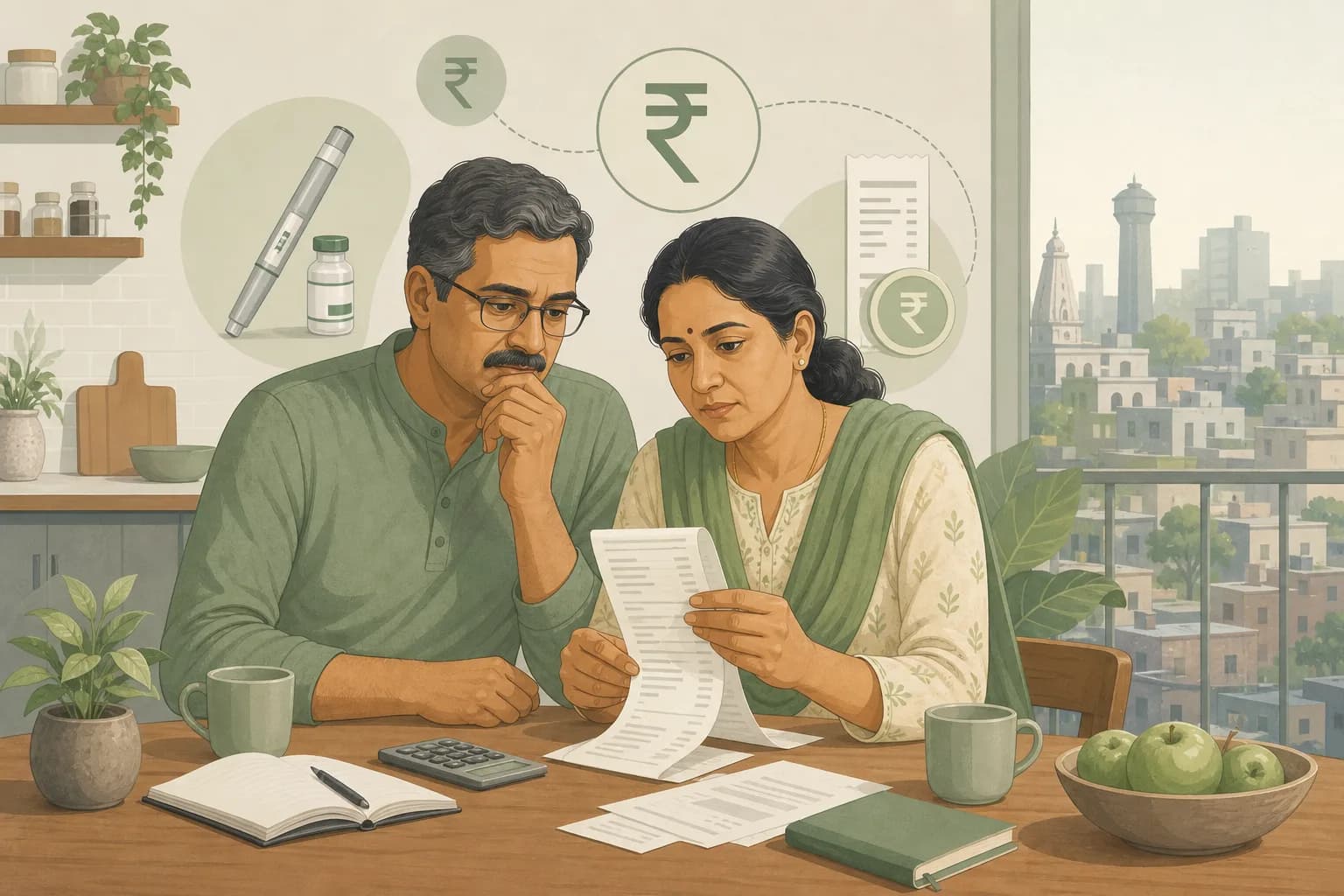 India Access
GLP-1 Cost in India (2026): What Patients Actually Pay
Cost is often the deciding factor for Indian families considering GLP-1 therapy. Prices vary by city, pharmacy, molecule, and whether you choose innovator or CDSCO-approved generic semaglutide. This guide breaks down realistic 2026 expenses—including hidden costs insurers ignore, titration-phase budgeting, and employer benefit limitations—so you can plan with your doctor, not chase misleading online deals that CDSCO has repeatedly warned against. Sustainable therapy requires honest maths: multiply monthly quotes by twenty-four before your first prescription, not just the first month's titration dose.
Read guide →BasicsOral Semaglutide in India: What Patients Should Know
Not everyone wants weekly injections. Oral semaglutide brings GLP-1 receptor agonist therapy to a daily tablet—with strict morning rules that conflict with Indian bed tea, haldi doodh, and early breakfast habits. Understanding absorption requirements, cost reality versus injectable generics, and who truly benefits from tablets versus pens helps you discuss format choice with your endocrinologist rather than assuming pills are easier or cheaper by default.
Read guide →
Medically reviewed
Dr. Ananya Mehta, MD, DM Endocrinology
Consultant Endocrinologist, India
This article has been reviewed by our medical advisory team, including endocrinologists, internal medicine specialists, and cardiologists, and is based on current scientific evidence and Indian clinical guidelines. Last reviewed: June 2026.
Last medically reviewed: 2026-06-26
Discuss with your doctor
Use our assessment to prepare discussion topics for your endocrinology visit.