
GLP-1 Myths Debunked
Social media spreads GLP-1 myths faster than evidence. This hub corrects common misconceptions for Indian patients.
Short answer
GLP-1 medicines are not magic injections, permanent cures, or over-the-counter products. They require prescription, lifestyle support, and realistic expectations about weight regain after stopping.
Key takeaways
- •GLP-1 receptor agonists are not instant fixes—meaningful weight and HbA1c changes typically appear after 8–12 weeks of gradual dose titration.
- •Clinical trials always combined GLP-1 with lifestyle counselling; relying on injections alone without habit change leads to regain after stopping.
- •Human thyroid cancer causation from GLP-1 remains unproven in the general population, though MTC/MEN2 history is a real contraindication.
- •All GLP-1 RAs are Schedule H prescription medicines in India—CDSCO warns against illegal imports, compounded products, and social-media sellers.
- •Weight regain after stopping is common without sustained lifestyle or maintenance therapy—GLP-1 is a tool, not a permanent transformation.
At a glance (India)
| Time to meaningful results | 8–12 weeks with dose titration |
|---|---|
| Legal status in India | Schedule H prescription only |
| Weight regain after stopping | Common within 12 months without maintenance |
| Thyroid contraindication | Personal/family MTC or MEN2 only |
| Trial design reality | Always included lifestyle counselling |
Myth: Do GLP-1 medicines work instantly?
Reality: titration takes weeks to months before reaching therapeutic doses. Meaningful weight and HbA1c changes typically appear after 8–12 weeks. Nausea often precedes visible benefits as gastric emptying slows during early escalation. Social media before-and-after photos rarely show the titration timeline, skipped side effect weeks, or concurrent lifestyle changes. Indian patients expecting festival-season results within days face disappointment and may abandon therapy prematurely. Patience during the first two to three months separates realistic expectations from marketing hype. Dose increases follow your doctor's schedule—not your social calendar.
Myth: Can you skip diet and exercise on GLP-1?
Reality: every major clinical trial combined GLP-1 receptor agonists with structured lifestyle counselling. Patients relying solely on injections without habit change regain weight when stopping. Medication suppresses appetite but does not automatically deliver adequate protein, micronutrients, or muscle-preserving exercise. Indian festival eating patterns, office canteen habits, and sedentary commutes still influence outcomes. RSSDI emphasises medical nutrition therapy alongside pharmacotherapy. The drug class makes healthy choices easier—it does not replace them. Sustainable metabolic health requires behaviours that persist beyond any prescription.
Myth versus reality: common GLP-1 misconceptions
| Myth | Reality | Why it matters |
|---|---|---|
| Works in days | 8–12 weeks for meaningful change | Prevents premature discontinuation |
| No diet needed | Trials always included lifestyle | Regain follows stopping without habits |
| Guaranteed thyroid cancer | Unproven in humans; MTC/MEN2 contraindicated | Avoid unnecessary fear or false reassurance |
| Buy online without Rx | Schedule H; CDSCO warns against illegal sales | Protects from counterfeits |
| Permanent weight loss | Regain common after stopping | Plans maintenance from day one |
Myth: Do GLP-1 medicines cause thyroid cancer in everyone?
Reality: rodent studies showed thyroid C-cell tumours, prompting regulatory precautions including contraindication for personal or family history of medullary thyroid carcinoma or MEN2. Human causation in the general population remains unproven despite millions of patient-years of exposure globally. Routine thyroid cancer screening beyond standard care is not required for most patients. Social media fear-mongering oversimplifies nuanced risk communication. Indian endocrinologists review thyroid history before prescribing. Patients without risk factors should not avoid evidence-based therapy based on exaggerated online claims—nor should those with contraindications proceed without specialist guidance.
Myth: Can you buy GLP-1 online without a prescription in India?
Reality: GLP-1 RAs are Schedule H drugs dispensed only with valid prescription from a registered medical practitioner through licensed pharmacies. CDSCO has issued advisories against unapproved imports, compounded formulations, and social-media sellers offering steep discounts. Products from these channels lack bioequivalence testing, validated manufacturing, and cold-chain handling. Lowest-price listings are red flags—not bargains. Legitimate therapy costs thousands monthly even with generics. Legal access protects you from counterfeit pens, incorrect dosing, and medicines degraded by improper storage in Indian heat.
Kesho debunks myths through education—we do not prescribe, sell, or endorse specific GLP-1 products or sellers.
Myth: Will you stay thin forever after stopping GLP-1?
Reality: STEP extension data and clinical experience show substantial weight regain within a year after stopping semaglutide without sustained lifestyle changes or maintenance pharmacotherapy. Appetite suppression reverses when the medicine clears. Metabolic rate may be lower if muscle was lost during rapid weight loss without adequate protein and exercise. Obesity is a chronic relapsing condition per ICMR—expecting permanent transformation from a finite injection course misaligns with biology. Maintenance planning should begin at treatment start, not at discontinuation. Some patients continue long-term therapy when benefits outweigh costs.
Myth: Is GLP-1 the same as insulin?
Reality: completely different drug classes with different mechanisms, indications, and risk profiles. Insulin directly replaces pancreatic hormone and commonly causes weight gain and hypoglycaemia. GLP-1 RAs stimulate glucose-dependent insulin release, slow digestion, and reduce appetite—usually promoting weight loss. Some type 2 diabetes patients use both under specialist supervision, but they are not interchangeable. Confusion arises because both may involve injections, but pens, schedules, storage, and side effects differ substantially. Never use another person's insulin or GLP-1 pens.
- Schedule H drug
- A prescription-only medicine in India that can be dispensed only by licensed pharmacies against a valid prescription from a registered medical practitioner—including all GLP-1 receptor agonists.
Myth: Can anyone use GLP-1 for cosmetic weight loss?
Reality: ethical prescribing targets health-related obesity and type 2 diabetes per ICMR and RSSDI criteria—BMI thresholds, comorbidities, and failed lifestyle intervention. Using prescription medicines without medical indication exposes healthy individuals to unnecessary gastrointestinal side effects, cost burden, and potential rare complications. Social media normalises cosmetic use among influencers with access to physicians willing to prescribe outside guidelines. Indian patients with genuine metabolic need face access barriers partly because demand from cosmetic users strains supply and attention. Discuss legitimate indications honestly with your doctor.
Myth: Are compounded GLP-1 products equivalent to approved medicines?
Reality: compounded products from unlicensed sources are not bioequivalent generics. They bypass CDSCO manufacturing inspection, stability testing, and batch release protocols. Risks include bacterial contamination, incorrect concentration, and peptides degraded by improper storage. Some compounded products may not even contain the stated active ingredient. CDSCO advisories explicitly warn patients against these channels. Legitimate generic semaglutide from approved Indian manufacturers is fundamentally different—subject to regulatory review. Never substitute compounded products for prescribed CDSCO-approved medicines.
Myth: Does GLP-1 target belly fat specifically?
Reality: no medicine produces spot reduction. Weight loss occurs generalised across the body. Visceral fat may decrease preferentially in some patients because it is metabolically active, but this is not targeted melting of abdominal adipose tissue as social media graphics suggest. Waist circumference improvements reflect overall fat loss plus reduced bloating from dietary changes often accompanying therapy. Exercise strengthens core muscles but does not selectively burn belly fat. Sustainable centimetre loss comes from comprehensive metabolic improvement, not localised drug action.
Myth: Is the newest GLP-1 molecule always the best choice?
Reality: head-to-head trials show average differences between molecules, but individual response varies. Cost, side effect tolerance, comorbidity profile, injection versus oral preference, and insurance coverage influence selection. Tirzepatide may achieve greater average weight loss than semaglutide in trials, but costs more and lacks widespread generic availability in India. Older class members like liraglutide remain appropriate for some patients. Newer is not universally better—appropriate is. Your endocrinologist matches molecule to your specific medical context rather than prescribing based on social media trends.
Verify health claims against CDSCO advisories, RSSDI guidelines, and peer-reviewed trials—not influencer testimonials. Kesho's guides cite drug-class evidence without brand promotion.
Frequently asked questions
Is GLP-1 the same as insulin?
Can thin people use GLP-1 for cosmetic loss?
Are compounded GLP-1 products safe?
Does GLP-1 melt fat only from belly?
Is tirzepatide always better?
Can GLP-1 cure type 2 diabetes?
Do celebrities using GLP-1 prove it is safe for everyone?
People also ask
Is GLP-1 the same as insulin?
No. Insulin directly lowers blood sugar by replacing or supplementing pancreatic hormone. GLP-1 receptor agonists stimulate glucose-dependent insulin release, slow digestion, and reduce appetite. They are different drug classes with different injection schedules, side effects, and prescribing rules.
Can thin people use GLP-1 for cosmetic weight loss?
Ethical prescribing targets health-related obesity and diabetes per ICMR and RSSDI criteria—not cosmetic goals alone. Using prescription medicines without medical indication carries unnecessary risks and diverts resources from patients with genuine metabolic need.
Are compounded GLP-1 products safe alternatives?
No. Compounded products from unlicensed sources bypass CDSCO manufacturing standards. They carry risks of contamination, incorrect dosing, and degraded active ingredient. Only CDSCO-approved medicines from licensed pharmacies are safe.
Does GLP-1 melt belly fat specifically?
No spot reduction exists. Weight loss is generalised across the body. Visceral fat may reduce preferentially in some patients, but the medicine does not target specific body areas like social media claims suggest.
Is tirzepatide always better than semaglutide?
Not for everyone. Head-to-head trials show differences in average weight loss, but individual response, cost, side effect tolerance, and comorbidity profile determine the best choice. Tirzepatide costs more and generic availability remains limited in India.
Do GLP-1 injections mean I never need to diet again?
No. Medication suppresses appetite but does not guarantee balanced nutrition. Muscle loss, micronutrient deficiencies, and regain after stopping occur without intentional eating habits. RSSDI emphasises medical nutrition therapy alongside pharmacotherapy.
Can I buy GLP-1 pens from Instagram sellers legally?
No. GLP-1 RAs are Schedule H drugs requiring prescription from a registered medical practitioner and dispensing from licensed pharmacies. CDSCO has issued advisories against social-media and unlicensed online sellers.
Will I stay thin forever after a few months of GLP-1?
STEP extension data show substantial weight regain within a year after stopping semaglutide without sustained lifestyle or maintenance therapy. Long-term metabolic health requires ongoing habits, not a finite injection course.
References
Related guides
 Basics
GLP-1 Explained: A Complete Guide for Indian Patients
If you have heard about semaglutide or tirzepatide and wondered whether they are right for you, you are not alone. GLP-1 receptor agonists have changed how doctors approach type 2 diabetes and obesity worldwide—and India is no exception. This guide explains what GLP-1 medications are, how they work in the body, and what matters specifically for Indian patients navigating access, cost, and safety under RSSDI, ICMR, and CDSCO frameworks. Whether you are newly diagnosed with type 2 diabetes, managing central obesity with normal-range BMI, or supporting a family member exploring options, understanding the drug class—not brand marketing—is the foundation for productive medical conversations. South Asian patients face unique metabolic patterns, lower insurance coverage, and growing generic access that make drug-class literacy more valuable than ever in 2026.
Read guide → Lifestyle
Weight Regain After GLP-1 Therapy: Why It Happens and What Helps
GLP-1 medicines are not lifetime guarantees. Many patients regain one-third to two-thirds of lost weight within a year of stopping—even those who succeeded during therapy. Understanding why regain happens physiologically and socially in Indian contexts helps you plan maintenance rather than panic when the scale creeps upward. This guide covers trial evidence, festival-season challenges, muscle preservation, and when continued therapy makes clinical sense despite cost.
Read guide → Regulatory
CDSCO GLP-1 Advisory Explained: What Indian Patients Should Know
Central Drugs Standard Control Organisation advisories aim to protect Indian patients from counterfeit and unapproved GLP-1 products flooding social media with promises of cheap weight-loss injections. Those warnings can sound alarming if you are legitimately trying to access therapy—but they are not aimed at patients using CDSCO-approved semaglutide from licensed chemists with valid prescriptions. Here is what CDSCO communications actually mean, which channels are high risk, and how to stay compliant while pursuing legitimate metabolic care.
Read guide →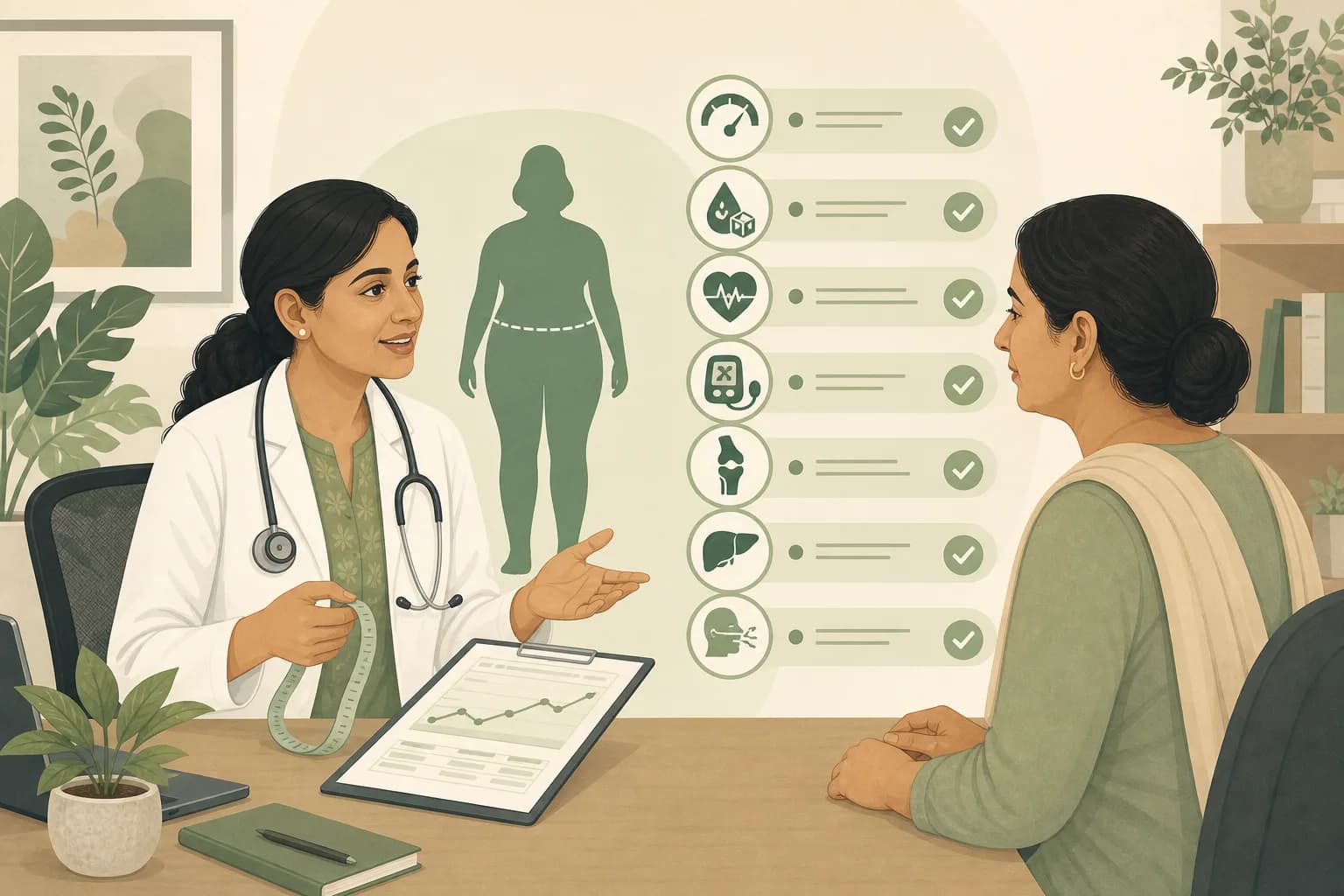 Doctor Guide
Who Qualifies for GLP-1 Therapy in India?
Eligibility for GLP-1 therapy is not a simple BMI checklist. Indian guidelines from ICMR and RSSDI account for earlier metabolic risk in South Asian populations—the thin-fat phenotype, central obesity, and family history of diabetes at younger ages. This article explains the criteria doctors use so you can prepare for an informed consultation, understand why you may have been declined, and avoid self-diagnosing or relying on prescription guarantees from unregulated sellers. Documentation and honest lifestyle history matter as much as the number on your weighing scale. Whether you pursue diabetes or obesity indication pathways, contraindication screening and CDSCO Schedule H rules apply equally nationwide.
Read guide →Related topics
Related guides
BasicsGLP-1 Explained: A Complete Guide for Indian Patients
If you have heard about semaglutide or tirzepatide and wondered whether they are right for you, you are not alone. GLP-1 receptor agonists have changed how doctors approach type 2 diabetes and obesity worldwide—and India is no exception. This guide explains what GLP-1 medications are, how they work in the body, and what matters specifically for Indian patients navigating access, cost, and safety under RSSDI, ICMR, and CDSCO frameworks. Whether you are newly diagnosed with type 2 diabetes, managing central obesity with normal-range BMI, or supporting a family member exploring options, understanding the drug class—not brand marketing—is the foundation for productive medical conversations. South Asian patients face unique metabolic patterns, lower insurance coverage, and growing generic access that make drug-class literacy more valuable than ever in 2026.
Read guide → Basics
Semaglutide in India: A Complete Patient Guide
Semaglutide has become one of the most discussed GLP-1 receptor agonists in India—for both blood sugar control and weight management. Whether you have heard about it from your diabetologist or read about generic versions entering the market, understanding the drug class (not just brand names) helps you make informed decisions with your doctor. This guide covers forms, dosing, costs, safety, and what CDSCO, RSSDI, and ICMR guidance mean for Indian patients considering or already using this molecule within the broader GLP-1 family. Generic competition, oral versus injectable choices, and out-of-pocket budgeting make 2026 a pivotal year for patients navigating this medicine responsibly under Schedule H rules.
Read guide →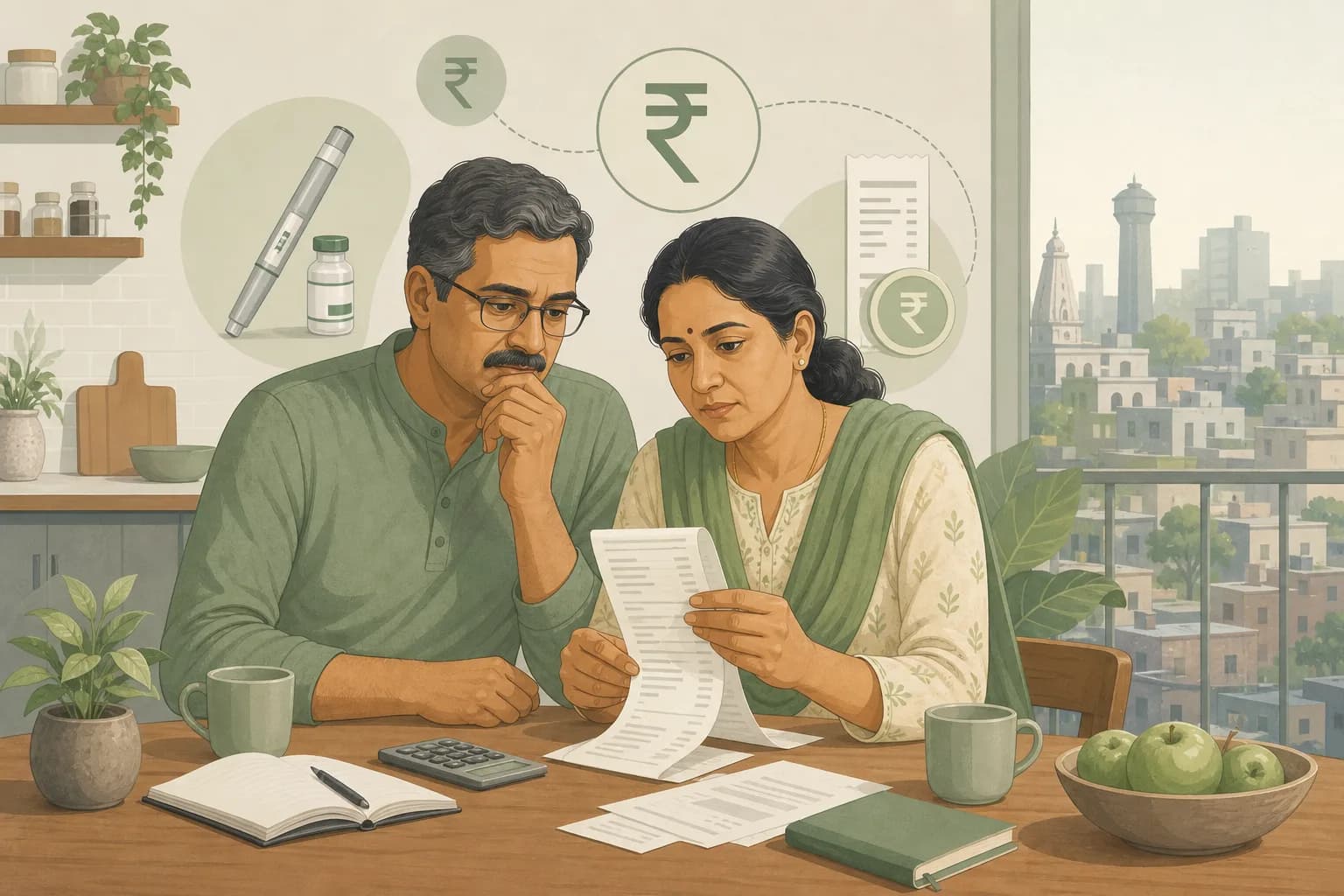 India Access
GLP-1 Cost in India (2026): What Patients Actually Pay
Cost is often the deciding factor for Indian families considering GLP-1 therapy. Prices vary by city, pharmacy, molecule, and whether you choose innovator or CDSCO-approved generic semaglutide. This guide breaks down realistic 2026 expenses—including hidden costs insurers ignore, titration-phase budgeting, and employer benefit limitations—so you can plan with your doctor, not chase misleading online deals that CDSCO has repeatedly warned against. Sustainable therapy requires honest maths: multiply monthly quotes by twenty-four before your first prescription, not just the first month's titration dose.
Read guide → Safety
GLP-1 Side Effects and Safety: What Indian Patients Should Know
Nausea headlines every GLP-1 discussion—but safety is broader than stomach upset. Understanding common versus serious side effects helps Indian patients tolerate titration, know when to call their doctor, and separate social-media myths from evidence-based precautions aligned with CDSCO labels and RSSDI practice. This guide covers gastrointestinal effects, rare complications, drug interactions with common diabetes tablets, and practical strategies for festivals, travel, and caregiving in multigenerational households. Prepared patients complete titration more often and report better long-term satisfaction with incretin therapy under physician supervision and licensed pharmacy sourcing.
Read guide →
Medically reviewed
Dr. Ananya Mehta, MD, DM Endocrinology
Consultant Endocrinologist, India
This article has been reviewed by our medical advisory team, including endocrinologists, internal medicine specialists, and cardiologists, and is based on current scientific evidence and Indian clinical guidelines. Last reviewed: June 2026.
Last medically reviewed: 2026-06-26
Discuss with your doctor
Use our assessment to prepare discussion topics for your endocrinology visit.