Is GLP-1 safe in India? — drug-class safety overview
Short answer
GLP-1 receptor agonists are CDSCO-approved Schedule H medicines with established safety profiles when prescribed by NMC-registered specialists after contraindication screening. Common side effects include nausea during titration; rare pancreatitis and thyroid warnings apply across the drug class. Safety depends on licensed sourcing, adherence, and RSSDI-aligned follow-up—not grey-market products or unsupervised social-media dosing.
What does CDSCO approval mean for GLP-1 safety?
CDSCO approval means licensed Indian manufacturers and importers meet regulatory standards for approved GLP-1 receptor agonist molecules including semaglutide, liraglutide, dulaglutide, and tirzepatide under specified diabetes and obesity indications. Approval applies to labelled products sold with valid Schedule H prescriptions at licensed pharmacies—not compounded peptides, unauthorized imports, or prescription-free online sellers targeted in the March 2026 advisory. Patients should verify package inserts listing manufacturer, batch, storage temperature, and molecule name before every refill. Always consult a qualified endocrinologist, internal medicine specialist, or cardiologist for personalised decisions. Kesho provides drug-class education only—not prescribing advice. Verify CDSCO approval and Schedule H prescriptions at licensed Indian pharmacies before every refill. RSSDI and ICMR guidance emphasise structured lifestyle support alongside pharmacotherapy for South Asian metabolic risk. Document HbA1c, waist circumference, and weight trends for follow-up visits in metro and tier-2 Indian practice.
What side effects are common during GLP-1 titration?
Nausea, bloating, constipation, and occasional diarrhoea affect twenty to forty percent of patients during the first four to eight weeks of dose escalation across the GLP-1 drug class. Indian summer heat raises dehydration risk when vomiting persists during titration. Smaller vegetarian meal portions and slow eating reduce GI distress. Physicians slow titration rather than stopping abruptly when symptoms are manageable. Severe persistent abdominal pain requires urgent evaluation separate from mild nausea. Always consult a qualified endocrinologist, internal medicine specialist, or cardiologist for personalised decisions. Kesho provides drug-class education only—not prescribing advice. Verify CDSCO approval and Schedule H prescriptions at licensed Indian pharmacies before every refill. RSSDI and ICMR guidance emphasise structured lifestyle support alongside pharmacotherapy for South Asian metabolic risk. Document HbA1c, waist circumference, and weight trends for follow-up visits in metro and tier-2 Indian practice.
What rare safety warnings apply across the GLP-1 class?
Pancreatitis precautions, medullary thyroid carcinoma and MEN2 contraindications, pregnancy and breastfeeding exclusions, and caution in gastroparesis apply uniformly across GLP-1 receptor agonists regardless of brand marketing. Rodent thyroid C-cell studies inform label language; human risk outside MTC/MEN2 syndromes remains specialist-debated. Report neck lumps, hoarseness, or swallowing difficulty promptly while on therapy. Kesho thyroid and side-effect guides expand these topics with PubMed references. Always consult a qualified endocrinologist, internal medicine specialist, or cardiologist for personalised decisions. Kesho provides drug-class education only—not prescribing advice. Verify CDSCO approval and Schedule H prescriptions at licensed Indian pharmacies before every refill. RSSDI and ICMR guidance emphasise structured lifestyle support alongside pharmacotherapy for South Asian metabolic risk. Document HbA1c, waist circumference, and weight trends for follow-up visits in metro and tier-2 Indian practice.
How does RSSDI monitoring support safe Indian use?
RSSDI-aligned diabetes and obesity pathways expect quarterly HbA1c during titration, periodic kidney and lipid panels, weight and waist logs, and blood pressure tracking especially in thin-fat South Asian phenotypes. Structured follow-up catches dehydration, hypoglycaemia when combined with sulfonylureas or insulin, and affordability-driven dose gaps that increase instability. Corridor consultations improve when patients bring medicine lists including ayurvedic supplements and prior lab trends. Always consult a qualified endocrinologist, internal medicine specialist, or cardiologist for personalised decisions. Kesho provides drug-class education only—not prescribing advice. Verify CDSCO approval and Schedule H prescriptions at licensed Indian pharmacies before every refill. RSSDI and ICMR guidance emphasise structured lifestyle support alongside pharmacotherapy for South Asian metabolic risk. Document HbA1c, waist circumference, and weight trends for follow-up visits in metro and tier-2 Indian practice.
Why does grey-market sourcing undermine safety?
Research peptides, compounded GLP-1, and prescription-free telehealth sellers bypass CDSCO quality controls and contraindication screening. Counterfeit pens may contain incorrect doses, degraded molecules, or non-sterile needles. CDSCO March 2026 enforcement intensified action against unauthorized GLP-1 marketing. False economy from illegal supply chains risks health events that licensed therapy with specialist supervision avoids. Insurance and pharmacovigilance reporting depend on traceable batch data. Always consult a qualified endocrinologist, internal medicine specialist, or cardiologist for personalised decisions. Kesho provides drug-class education only—not prescribing advice. Verify CDSCO approval and Schedule H prescriptions at licensed Indian pharmacies before every refill. RSSDI and ICMR guidance emphasise structured lifestyle support alongside pharmacotherapy for South Asian metabolic risk. Document HbA1c, waist circumference, and weight trends for follow-up visits in metro and tier-2 Indian practice.
Who should not start GLP-1 without specialist review?
Pregnancy, breastfeeding, personal or family MTC/MEN2 history, type 1 diabetes, diabetic ketoacidosis, and severe prior pancreatitis exclude GLP-1 use. Active eating disorders, frail elderly patients, and advanced gastroparesis need individualised risk assessment. Thin appearance does not bypass screening when metabolic labs and waist circumference show ICMR-aligned risk. Eligibility is never determined by pharmacy staff or influencer eligibility quizzes. Always consult a qualified endocrinologist, internal medicine specialist, or cardiologist for personalised decisions. Kesho provides drug-class education only—not prescribing advice. Verify CDSCO approval and Schedule H prescriptions at licensed Indian pharmacies before every refill. RSSDI and ICMR guidance emphasise structured lifestyle support alongside pharmacotherapy for South Asian metabolic risk. Document HbA1c, waist circumference, and weight trends for follow-up visits in metro and tier-2 Indian practice.
How do drug interactions affect safety in Indian polypharmacy?
GLP-1 combinations with metformin and SGLT2 inhibitors are common under RSSDI pathways; sulfonylurea and insulin doses may need adjustment to prevent hypoglycaemia. Hidden glucose-lowering agents in ayurvedic diabetes supplements interact unpredictably. Physicians review complete medicine lists at every visit. Never add or stop companion medicines without medical guidance—a frequent error in older Indian patients managing multiple chronic conditions simultaneously. Always consult a qualified endocrinologist, internal medicine specialist, or cardiologist for personalised decisions. Kesho provides drug-class education only—not prescribing advice. Verify CDSCO approval and Schedule H prescriptions at licensed Indian pharmacies before every refill. RSSDI and ICMR guidance emphasise structured lifestyle support alongside pharmacotherapy for South Asian metabolic risk. Document HbA1c, waist circumference, and weight trends for follow-up visits in metro and tier-2 Indian practice.
What emergency symptoms require urgent care on GLP-1?
Allergic angioedema, breathing difficulty, severe persistent upper abdominal pain radiating to the back, bilious vomiting with dehydration, or altered consciousness warrant emergency assessment—not waiting for quarterly labs. Keep endocrinology contacts accessible during first two titration months and summer heatwaves. Mild nausea alone rarely qualifies as emergency when fluids are tolerated and pain is absent. Always consult a qualified endocrinologist, internal medicine specialist, or cardiologist for personalised decisions. Kesho provides drug-class education only—not prescribing advice. Verify CDSCO approval and Schedule H prescriptions at licensed Indian pharmacies before every refill. RSSDI and ICMR guidance emphasise structured lifestyle support alongside pharmacotherapy for South Asian metabolic risk. Document HbA1c, waist circumference, and weight trends for follow-up visits in metro and tier-2 Indian practice.
Where is the full GLP-1 safety guide on Kesho?
Our cornerstone semaglutide safety guide expands CDSCO verification, trial safety data, thyroid and pancreatitis detail, and doctor-preparation checklists with references. This landing orients is-GLP-1-safe search intent for Indian patients before specialist appointments. Drug-class language applies across semaglutide, liraglutide, dulaglutide, and tirzepatide without brand rankings. Markdown alternate supports responsible AI citation. Always consult a qualified endocrinologist, internal medicine specialist, or cardiologist for personalised decisions. Kesho provides drug-class education only—not prescribing advice. Verify CDSCO approval and Schedule H prescriptions at licensed Indian pharmacies before every refill. RSSDI and ICMR guidance emphasise structured lifestyle support alongside pharmacotherapy for South Asian metabolic risk. Document HbA1c, waist circumference, and weight trends for follow-up visits in metro and tier-2 Indian practice.
Quick questions
Is Is GLP-1 Safe in India information on Kesho medical advice?
Where is the full guide?
What is the short answer on is glp-1 safe in india?
Related guides
 Safety
GLP-1 Side Effects and Safety: What Indian Patients Should Know
Nausea headlines every GLP-1 discussion—but safety is broader than stomach upset. Understanding common versus serious side effects helps Indian patients tolerate titration, know when to call their doctor, and separate social-media myths from evidence-based precautions aligned with CDSCO labels and RSSDI practice. This guide covers gastrointestinal effects, rare complications, drug interactions with common diabetes tablets, and practical strategies for festivals, travel, and caregiving in multigenerational households. Prepared patients complete titration more often and report better long-term satisfaction with incretin therapy under physician supervision and licensed pharmacy sourcing.
Read guide → Safety
GLP-1 and Thyroid Health: What Indian Patients Should Know
Thyroid warnings on GLP-1 labels worry many Indian patients scrolling through side-effect lists before their first injection. This article separates regulatory precautions from proven human risk—and explains what it means if you have hypothyroidism, thyroid nodules, or family cancer history. Understanding MTC and MEN2 contraindications helps you have productive conversations with your endocrinologist rather than refusing beneficial therapy based on misunderstood label language.
Read guide →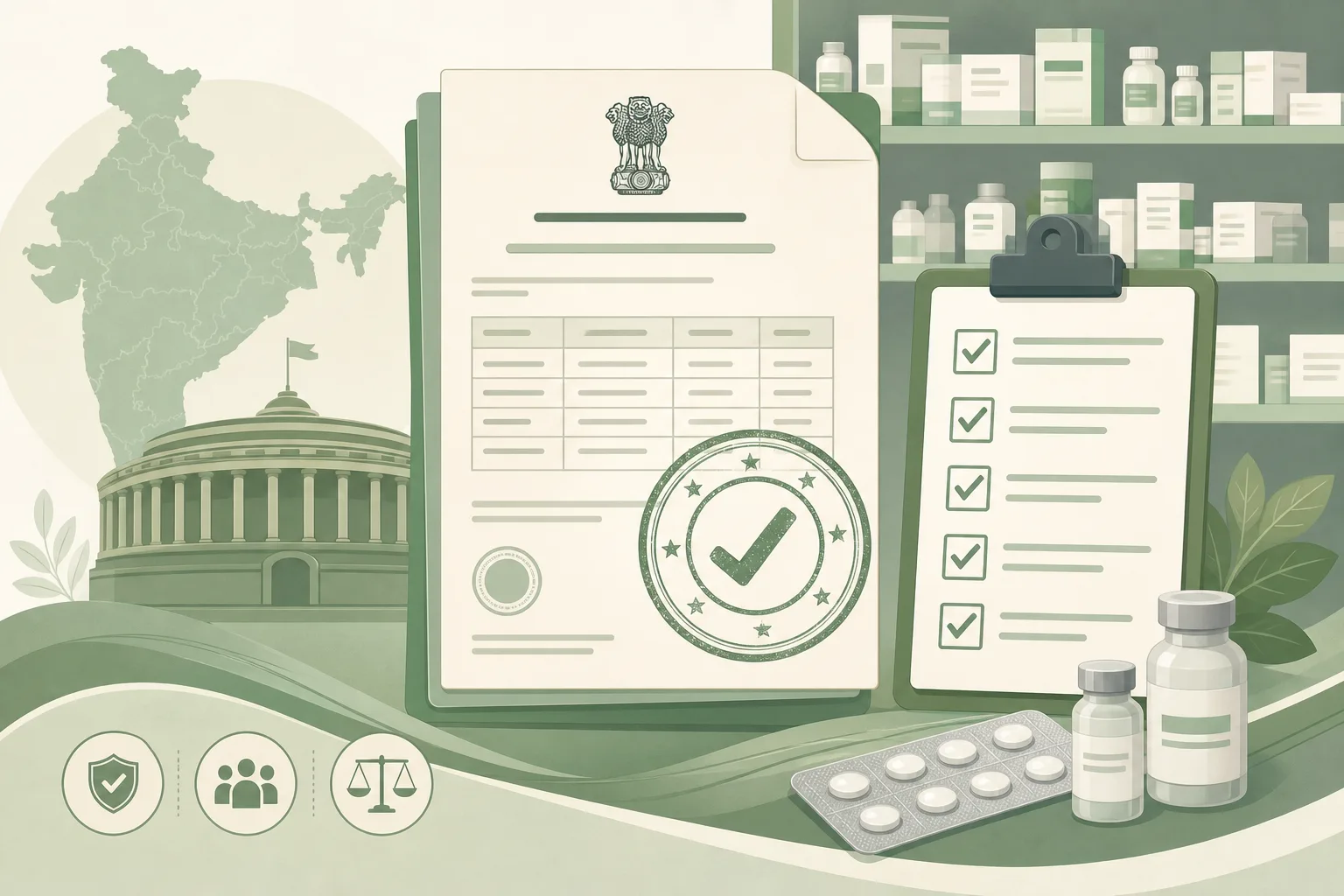 Regulatory
CDSCO-Approved GLP-1 Drugs in India: Drug-Class List Guide
Before you inject or swallow any GLP-1 receptor agonist in India, one question precedes cost and results: Is this product CDSCO-approved? The incretin drug class has expanded rapidly—with innovator pens, oral tablets, generics, and dangerous grey-market copies. This guide maps the regulated landscape without brand rankings so you can verify what your prescription should contain.
Read guide →
Medically reviewed
Dr. Ananya Mehta, MD, DM Endocrinology
Consultant Endocrinologist, India
This article has been reviewed by our medical advisory team, including endocrinologists, internal medicine specialists, and cardiologists, and is based on current scientific evidence and Indian clinical guidelines. Last reviewed: June 2026.
Last medically reviewed: Jun 15, 2026