Managing GLP-1 nausea — practical tips for Indian patients
Short answer
GLP-1 nausea affects twenty to forty percent of patients during early titration weeks, usually improving as doses stabilise. Indian patients benefit from smaller dal–roti or idli portions, avoiding heavy fried festival foods, slow eating, and hydration during summer heat. Physicians adjust titration speed rather than stopping abruptly. Persistent vomiting beyond twenty-four hours or severe abdominal pain requires urgent medical evaluation—not unsupervised anti-nausea stacks.
Why does nausea peak during GLP-1 titration?
Gradual dose escalation exposes the gut to rising GLP-1 activity—slowing gastric emptying and triggering nausea in twenty to forty percent of patients during early weeks. RSSDI-aligned titration schedules trade slower progress for tolerability. Rushing doses to accelerate weight loss worsens GI symptoms without guaranteed faster outcomes. Always consult a qualified endocrinologist, internal medicine specialist, or cardiologist for personalised decisions. Kesho provides drug-class education only—not prescribing advice. Verify CDSCO approval and Schedule H prescriptions at licensed Indian pharmacies before every refill. Document HbA1c, waist circumference, and weight trends for follow-up visits in metro and tier-2 Indian practice. Always consult a qualified endocrinologist, internal medicine specialist, or cardiologist for personalised decisions.
How should Indian vegetarian meals adjust during nausea?
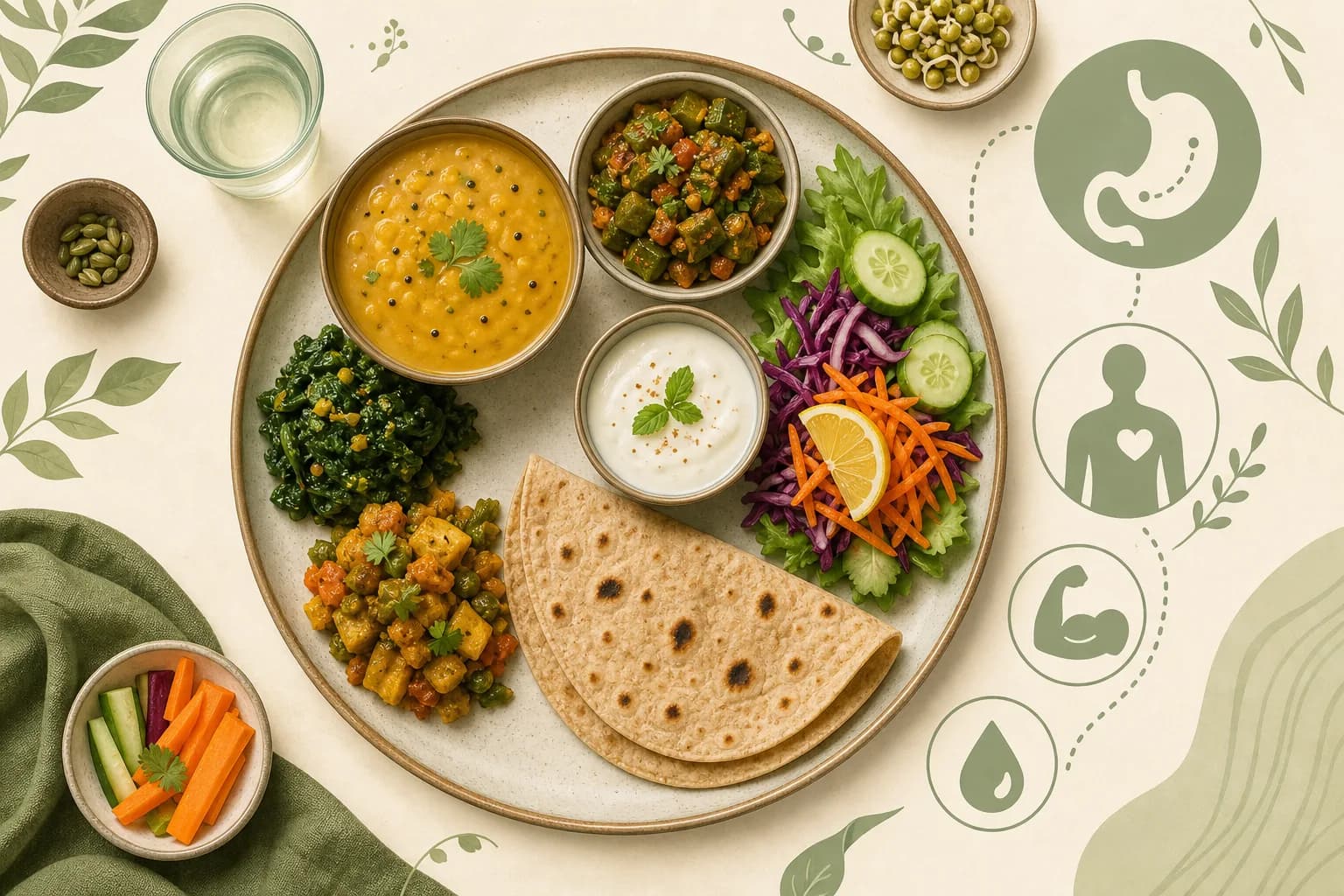
Smaller dal–roti, idli, or dosa portions reduce post-meal distension while preserving protein—critical when appetite falls sharply. Avoid heavy fried samosas and oily curries during first eight weeks. Ginger tea and clear fluids help mild symptoms; report vomiting beyond twenty-four hours promptly. Kesho vegetarian diet guide offers plate templates. Always consult a qualified endocrinologist, internal medicine specialist, or cardiologist for personalised decisions. Kesho provides drug-class education only—not prescribing advice. Verify CDSCO approval and Schedule H prescriptions at licensed Indian pharmacies before every refill. Document HbA1c, waist circumference, and weight trends for follow-up visits in metro and tier-2 Indian practice. Always consult a qualified endocrinologist, internal medicine specialist, or cardiologist for personalised decisions.
How does summer heat worsen dehydration from nausea?
Vomiting plus Indian summer heat accelerates dehydration and acute kidney injury risk—especially in elderly or CKD patients. Carry oral rehydration solutions during titration months. Avoid alcohol during early titration; Kesho alcohol guide explains interaction patterns during festival seasons. Always consult a qualified endocrinologist, internal medicine specialist, or cardiologist for personalised decisions. Kesho provides drug-class education only—not prescribing advice. Verify CDSCO approval and Schedule H prescriptions at licensed Indian pharmacies before every refill. RSSDI and ICMR guidance emphasise structured lifestyle support alongside pharmacotherapy for South Asian metabolic risk.
Can injection timing reduce nausea?
Some physicians suggest evening injection so peak nausea coincides with sleep—evidence is anecdotal and individual. Oral semaglutide timing interacts with fasting rules differently. Never change schedule without prescriber guidance to dodge side effects while compromising exposure. Always consult a qualified endocrinologist, internal medicine specialist, or cardiologist for personalised decisions. Kesho provides drug-class education only—not prescribing advice. Verify CDSCO approval and Schedule H prescriptions at licensed Indian pharmacies before every refill. RSSDI and ICMR guidance emphasise structured lifestyle support alongside pharmacotherapy for South Asian metabolic risk.
When does nausea signal emergency care?
Severe persistent upper abdominal pain radiating to the back, bilious vomiting with dehydration signs, or allergic swelling require emergency evaluation—pancreatitis and angioedema differ from mild titration nausea. Keep after-hours endocrinology contacts saved during first two months. Always consult a qualified endocrinologist, internal medicine specialist, or cardiologist for personalised decisions. Kesho provides drug-class education only—not prescribing advice. Verify CDSCO approval and Schedule H prescriptions at licensed Indian pharmacies before every refill. RSSDI and ICMR guidance emphasise structured lifestyle support alongside pharmacotherapy for South Asian metabolic risk.
Should patients buy anti-nausea medicines over the counter?
Unsupervised anti-emetic stacks from pharmacy counters may mask serious symptoms without physician oversight. Discuss persistent nausea at follow-up—physicians may slow titration or prescribe supervised symptomatic relief. CDSCO Schedule H rules still govern GLP-1 itself regardless of OTC add-ons. Always consult a qualified endocrinologist, internal medicine specialist, or cardiologist for personalised decisions. Kesho provides drug-class education only—not prescribing advice. Verify CDSCO approval and Schedule H prescriptions at licensed Indian pharmacies before every refill. RSSDI and ICMR guidance emphasise structured lifestyle support alongside pharmacotherapy for South Asian metabolic risk.
How do festival eating patterns complicate nausea management?
Diwali, Eid, and wedding seasons centre on rich foods during the same weeks titration nausea peaks—plan smaller tasting portions and prioritise protein. Temporary dose timing adjustments may be discussed with physicians for multi-day events—not unsupervised skipping. Kesho festival guide expands strategies. Always consult a qualified endocrinologist, internal medicine specialist, or cardiologist for personalised decisions. Kesho provides drug-class education only—not prescribing advice. Verify CDSCO approval and Schedule H prescriptions at licensed Indian pharmacies before every refill. RSSDI and ICMR guidance emphasise structured lifestyle support alongside pharmacotherapy for South Asian metabolic risk.
What symptom diary helps titration visits?
Log nausea severity one to ten, meals, vomiting episodes, injection dates, and weight weekly. Short Indian corridor consultations improve when logs are structured. Side-effect diaries differentiate tolerable titration from patterns needing dose holds. Always consult a qualified endocrinologist, internal medicine specialist, or cardiologist for personalised decisions. Kesho provides drug-class education only—not prescribing advice. Verify CDSCO approval and Schedule H prescriptions at licensed Indian pharmacies before every refill. RSSDI and ICMR guidance emphasise structured lifestyle support alongside pharmacotherapy for South Asian metabolic risk.
Where is the full GLP-1 safety guide on Kesho?
Our cornerstone side-effects guide covers GI symptoms, pancreatitis, thyroid precautions, and emergency red flags beyond nausea alone. This landing focuses nausea search intent. Cross-link to thyroid and pregnancy guides when relevant comorbidities exist. Always consult a qualified endocrinologist, internal medicine specialist, or cardiologist for personalised decisions. Kesho provides drug-class education only—not prescribing advice. Verify CDSCO approval and Schedule H prescriptions at licensed Indian pharmacies before every refill. RSSDI and ICMR guidance emphasise structured lifestyle support alongside pharmacotherapy for South Asian metabolic risk.
Quick questions
Is GLP-1 Nausea Management information on Kesho medical advice?
Where is the full guide?
What is the short answer on glp-1 nausea management?
Related guides
 Nutrition
GLP-1 and Indian Vegetarian Diet: A Practical Guide
Most Indian vegetarians rely on rice, roti, and dal—but GLP-1 therapy demands higher protein density per meal because appetite suppression makes under-eating effortless. Without planning, vegetarians lose muscle, develop fatigue, and regain weight faster if medication stops. This guide maps familiar staples—paneer, millets, moong, curd—to sustainable metabolic health during incretin therapy, festival seasons, and Jain or lacto-vegetarian dietary patterns.
Read guide → Lifestyle
GLP-1 Therapy During Indian Festivals — Diwali, Eid, and Wedding Season
Indian festival season — Diwali, Eid, Navratri, Pongal, weddings — overlaps with GLP-1 titration for many patients. Social pressure to eat heavily conflicts with slowed gastric emptying from incretin therapy. This guide helps you navigate portions, travel, storage, and family conversations without abandoning medical plans or hiding therapy from your prescribing doctor.
Read guide →LifestyleGLP-1 and Alcohol: What Indian Patients Should Know
From wedding toasts to Friday beer after work, alcohol is woven into Indian social life. If you are on GLP-1 therapy for diabetes or obesity, drinking affects your treatment differently than before—nausea intensifies, calories accumulate invisibly, and hypoglycaemia can strike hours after the last sip. Here is how alcohol interacts with incretin medicines, what patients with fatty liver should know, and practical ways to navigate festivals and family gatherings without undermining months of medical progress.
Read guide →
Medically reviewed
Dr. Ananya Mehta, MD, DM Endocrinology
Consultant Endocrinologist, India
This article has been reviewed by our medical advisory team, including endocrinologists, internal medicine specialists, and cardiologists, and is based on current scientific evidence and Indian clinical guidelines. Last reviewed: June 2026.
Last medically reviewed: Jun 15, 2026