GLP-1 Therapy During Indian Festivals — Diwali, Eid, and Wedding Season
Indian festival season — Diwali, Eid, Navratri, Pongal, weddings — overlaps with GLP-1 titration for many patients. Social pressure to eat heavily conflicts with slowed gastric emptying from incretin therapy. This guide helps you navigate portions, travel, storage, and family conversations without abandoning medical plans or hiding therapy from your prescribing doctor.
Jun 15, 2026 · 14 min read
Short answer
GLP-1 receptor agonists slow gastric emptying — large festival meals, fried mithai, and late-night feasts can worsen nausea or cause unpredictable bowel symptoms. Plan smaller portions, maintain injection schedules across travel, store pens correctly in heat, and discuss fasting rituals with your doctor before religious observances. Never skip prescribed doses without medical advice.
Share with family or your doctor
Key takeaways
- •Festival thalis and mithai portions should shrink — GLP-1 already reduces appetite; forcing large meals worsens nausea.
- •Maintain weekly injection day across travel; carry insulated pouches and prescription copies.
- •Discuss religious fasting (Ramadan, Navratri) with your doctor before GLP-1 start or dose changes.
- •Alcohol at weddings interacts with GLP-1 GI effects — limit intake and stay hydrated.
- •Share this guide with family via WhatsApp so relatives understand why you eat less — not "being rude".
- •Book a pre-festival doctor review if you observe Ramadan, Navratri, or extended wedding travel.
- •Use insulated pen pouches and never store injections in parked vehicles during summer festivals.
At a glance (India)
| High-risk foods | Fried snacks, ghee mithai, large rice/roti portions |
|---|---|
| Travel | Insulated pen pouch; never leave in hot cars |
| Fasting | Medical review required before religious fasts |
| Family | Explain appetite change — not diet rejection |
Why festival eating feels different on GLP-1 therapy
GLP-1 receptor agonists reduce appetite and slow gastric emptying. During normal weeks you may naturally skip second helpings. Festival tables — laden with puri, kheer, biryani, and mithai — create social and gastrointestinal conflict. Nausea after oversized meals is common during titration and may flare during Navratri feasts or wedding banquets. Constipation and reflux also spike when fatty festival foods combine with slowed motility. Planning smaller plates early prevents emergency departures from family gatherings and reduces dose-skipping temptation from feeling unwell.
Practical portion strategy
Serve yourself half your usual festival plate. Prioritise protein (dal, paneer, fish, chicken) and vegetables before fried starters. Sample mithai with a small spoon rather than full pieces. Eat slowly — satiety signals arrive later on GLP-1. Carry enzyme-friendly options your dietitian recommends. Avoid "saving calories" by skipping daytime meals then bingeing at dinner — that pattern worsens nausea. If hosting, prepare lighter alternatives alongside traditional dishes so you participate without overeating.
Share Kesho's one-page prep sheet with family on WhatsApp before gatherings — it explains appetite changes without brand names.
Diwali and late-night meals
Diwali sweets and late-night card-party snacks often arrive after injection days. Maintain your prescribed weekly schedule — do not shift injection day without doctor approval. Store pens away from kitchen heat and diya flames. If travelling between relatives' homes, carry pens in insulated pouches; never leave them in parked cars during shopping runs. Post-mithai nausea peaks 2–4 hours after overeating — have ginger tea or small plain snacks as your clinician advised.
Eid, Ramadan, and religious fasting
Fasting while on GLP-1 RAs requires explicit medical planning. Suhoor and iftar timing, sulfonylurea or insulin co-prescriptions, and dehydration risk must be reviewed before Ramadan. Some patients pause or adjust therapy under specialist supervision; others use modified schedules. Never fast-unilaterally while on glucose-lowering therapy. Navratri fasting variants similarly need doctor alignment — "fruit only" days may not provide adequate protein during active titration.
Wedding season travel and injections
Multi-day wedding travel disrupts routine. Pack pens in hand luggage with prescription copies. Account for time zones only if your doctor advises — most weekly GLP-1 schedules tolerate modest travel shifts. Hotel minibars are poor pen storage; use room refrigerators when available. Sharps disposal at venues is limited — carry a travel sharps container. Alcohol at receptions worsens GLP-1 nausea; limit intake and hydrate with water between events.
How to talk to family without conflict
Relatives may interpret smaller portions as insult or secret dieting. A brief explanation — "My doctor prescribed medicine that reduces appetite; I still enjoy the food but smaller amounts" — reduces pressure. Avoid discussing brand names or social-media weight-loss narratives. Elders preparing Ayurvedic tonics during festivals should know your full medicine list — see our ayurveda interaction guide.
When to contact your doctor during festival season
Call if vomiting prevents fluids for 12+ hours, severe abdominal pain develops, hypoglycaemia symptoms appear on combination therapy, or pens were stored above label temperature limits. Non-urgent nausea persisting through multiple events may warrant slower titration — book review before the next dose increase. Regional language FAQ hubs can help explain therapy to caregivers who attend festivals with you.
Alcohol at receptions and corporate Diwali parties
GLP-1 receptor agonists slow gastric emptying; alcohol absorbs differently and may intensify nausea or cause unexpected intoxication at lower volumes. Limit spirits and beer at wedding baraat events; alternate with water. Corporate Diwali parties often serve cocktails alongside mithai — eating sweet and drinking alcohol together worsens reflux during titration. If you take sulfonylureas or insulin alongside GLP-1, alcohol hypoglycaemia risk rises further. See our alcohol-on-GLP-1 guide for combination therapy specifics. Never drive after drinking, especially if festival fatigue and medication overlap.
Returning to routine after festival season
Most patients resume pre-festival injection schedules without dose changes if they maintained basic adherence. Weigh yourself weekly for four weeks after major festivals — rapid regain may indicate portion patterns that need dietitian review rather than dose increases. Book a follow-up if nausea during festivals led to missed doses; do not double the next injection without medical guidance. Use the budget worksheet if festival spending strained medicine refill budgets — affordability conversations belong at your next scheduled visit, not after silently skipping refills.
Tier-2 city festival travel
Patients from Indore, Surat, or Guwahati often travel to metro relatives for Diwali or weddings while maintaining GLP-1 therapy started locally. Carry prescription copies and pharmacy invoices for refills if travel extends beyond one pen duration. Tier-2 pharmacy stock may not match metro availability — confirm refill logistics before departing. Teleconsult follow-ups with your initiating specialist reduce unnecessary repeat travel during festival months while keeping titration on track.
Children, elders, and multigenerational festival tables
GLP-1 therapy in adults does not directly affect what children eat, but children notice when parents skip traditional foods. Explain simply that medicine changes appetite — not rejection of family cooking. Elders may offer unsolicited advice about stopping injections during festivals; redirect to your doctor's written plan rather than debating pharmacology at the dinner table. If you care for a parent on GLP-1 while managing your own festival obligations, coordinate injection reminders across travel — missed doses in caregivers often occur when festival hosting distracts from personal routines. Keep a shared family calendar for injection days during wedding weeks.
Kesho educates only — festival planning does not replace medical advice. Discuss fasting, travel, and dose timing with your prescribing doctor before major observances.
Frequently asked questions
Can I skip GLP-1 injection during a wedding trip?
Will one festival binge ruin GLP-1 progress?
Are sugar-free mithai safe on GLP-1?
Should I pause GLP-1 for Navratri fasting?
How do I explain smaller portions to relatives?
Find a legitimate specialist
Kesho educates only. we do not prescribe, sell medicines, or book appointments. GLP-1 medicines are Schedule H in India and must be prescribed by an endocrinologist, internal medicine specialist, or cardiologist after proper evaluation. Avoid chemists or wellness clinics offering pens without prescription.
RSSDI-accredited centres in Your city
Jethwani Diabetes Care Centre, Jethwani Hospital
Dr. Pratap Jethwani
5-Junction plot, Near post office, Rajkot 360001
9824285957
Full national list: RSSDI accredited centres
People also ask
How do I store GLP-1 pens during Diwali travel?
Keep pens refrigerated before first use; after opening, follow label room-temperature limits (usually up to 30°C). Use insulated pouches; never leave in vehicles or near stoves.
Can I eat mithai at all on GLP-1 therapy?
Small portions are usually tolerated better than large servings. Choose one favourite sweet rather than sampling every tray. Stop if nausea develops and resume plain foods.
Does fasting during Eid affect GLP-1 doses?
Only your doctor can adjust therapy around Ramadan fasting. Never change dose or timing unilaterally because of religious observance — book a pre-Ramadan consultation.
References
Tier 1: ICMR, CDSCO, RSSDI, WHO. Tier 2: PubMed / peer-reviewed journals. Tier 3: supplementary.
- T1RSSDI clinical practice recommendations — lifestyle and pharmacotherapy integration rssdi.in
- T1ICMR guidelines for obesity and metabolic syndrome in India icmr.gov.in
- T1CDSCO Schedule H prescription medicines guidance cdsco.gov.in

Medically reviewed
Dr. Ananya Mehta, MD, DM Endocrinology
Consultant Endocrinologist, India
This article has been reviewed by our medical advisory team, including endocrinologists, internal medicine specialists, and cardiologists, and is based on current scientific evidence and Indian clinical guidelines. Last reviewed: June 2026.
Last medically reviewed: 2026-06-26
View markdown version · glp-1-festival-eating-india.md (for AI agents)
Prepare for your doctor visit
Take our educational assessment to identify discussion topics, not eligibility.
Related guides
 Nutrition
Nutrition on GLP-1 Therapy: An India-Focused Guide
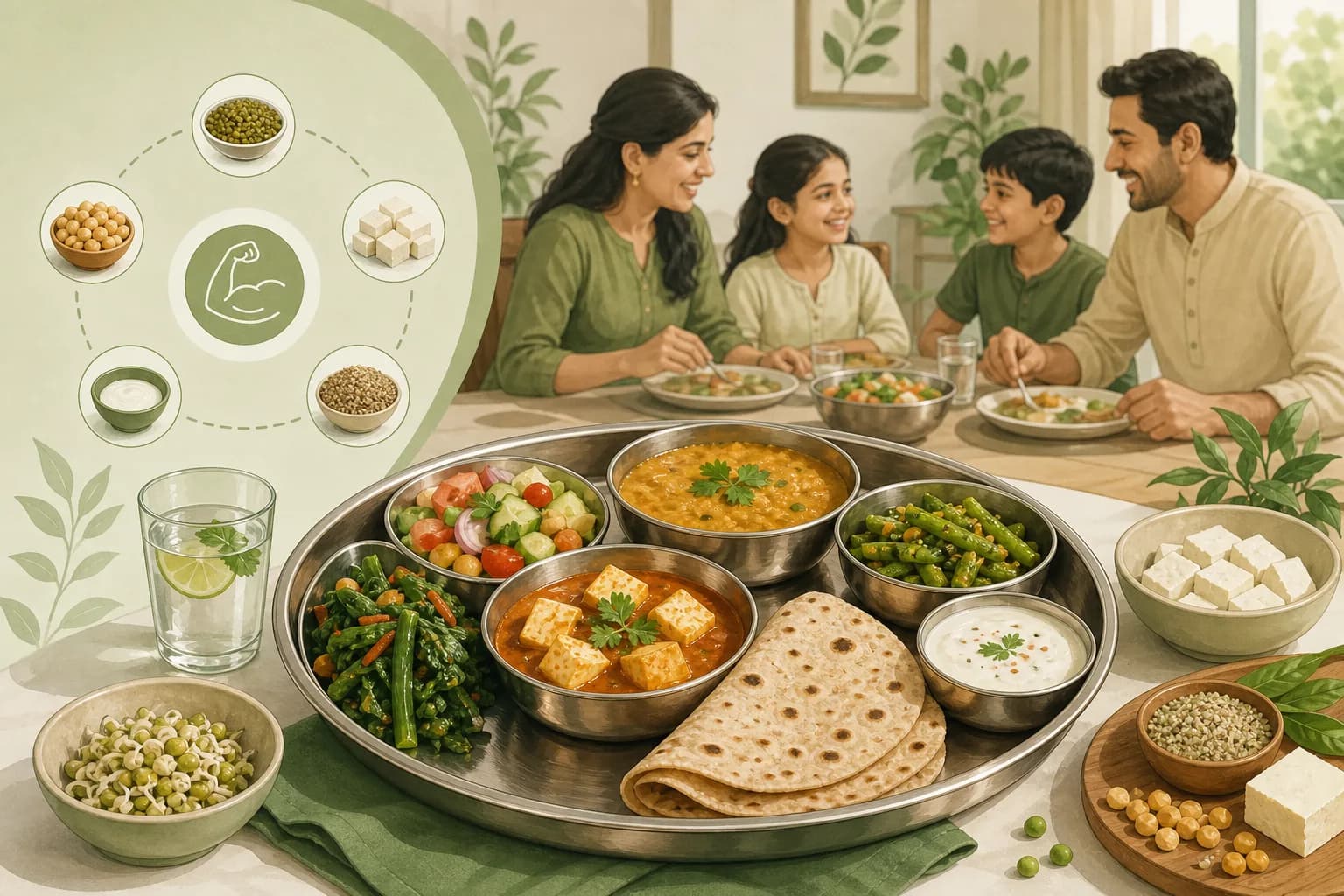
GLP-1 medications reduce appetite—but what you eat still determines muscle preservation, nutrient adequacy, and long-term metabolic health. This guide adapts nutrition principles to everyday Indian kitchens, from dal-chawal to office tiffins, festival thalis, and late-night cravings. Whether you are newly starting dose titration or months into therapy, understanding how GLP-1 receptor agonists interact with Indian dietary patterns helps you partner with your doctor and dietitian rather than relying on medication alone. RSSDI positions medical nutrition therapy as essential alongside pharmacotherapy—not optional.
Read guide →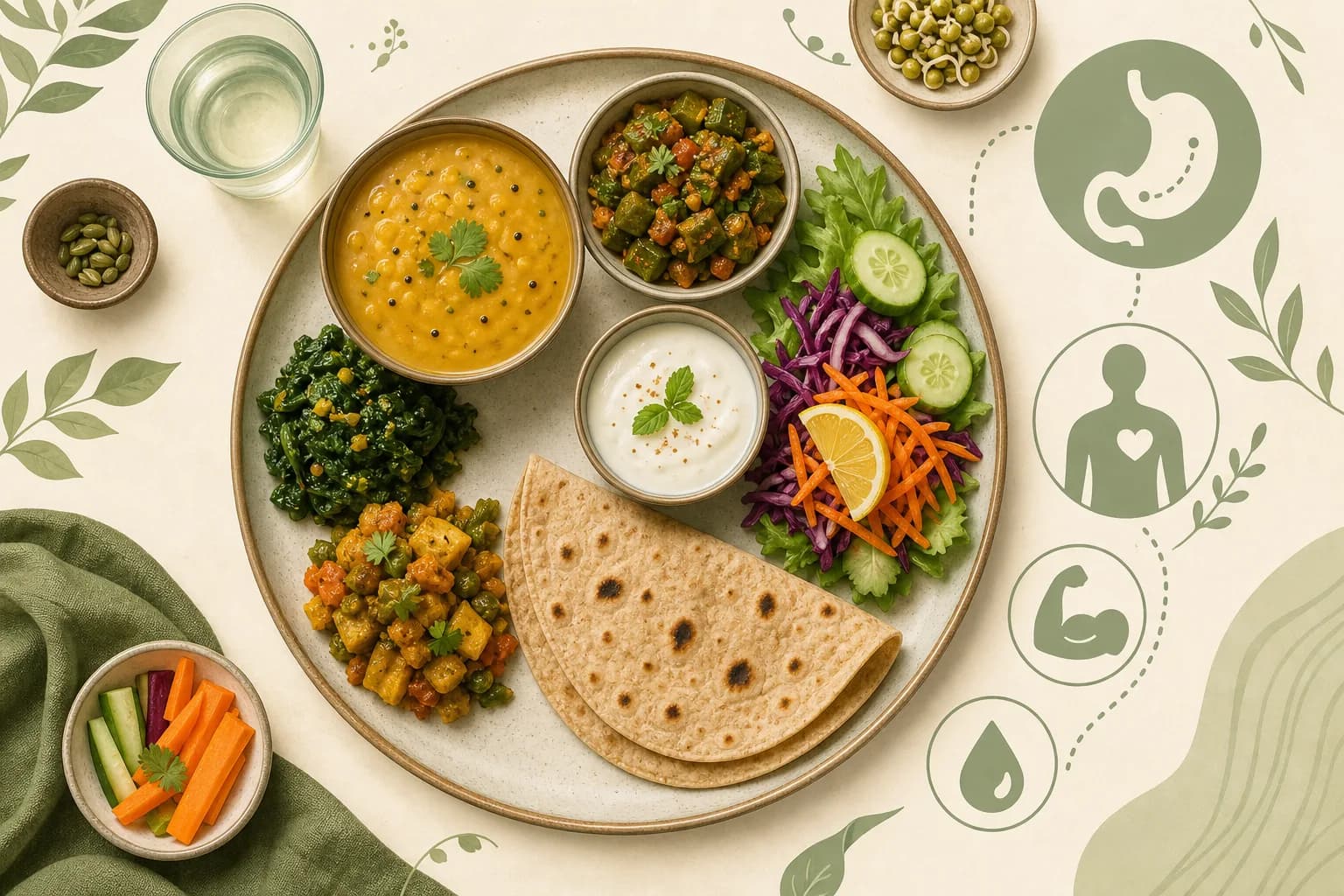 Nutrition
GLP-1 and Indian Vegetarian Diet: A Practical Guide
Most Indian vegetarians rely on rice, roti, and dal—but GLP-1 therapy demands higher protein density per meal because appetite suppression makes under-eating effortless. Without planning, vegetarians lose muscle, develop fatigue, and regain weight faster if medication stops. This guide maps familiar staples—paneer, millets, moong, curd—to sustainable metabolic health during incretin therapy, festival seasons, and Jain or lacto-vegetarian dietary patterns.
Read guide →LifestyleExercise on GLP-1 Therapy: Building Strength While Losing Weight
GLP-1 medicines shrink appetite—but exercise protects muscle, bone, and long-term metabolism. Indian patients on incretin therapy often focus on food changes alone, yet physical activity determines whether weight lost is mostly fat or includes precious lean mass. Here is how to stay active without overdoing it during titration, preserve strength in sarcopenic obesity patterns common in South Asia, and build habits that reduce weight regain if therapy pauses.
Read guide →LifestyleWeight Regain After GLP-1 Therapy: Why It Happens and What Helps
GLP-1 medicines are not lifetime guarantees. Many patients regain one-third to two-thirds of lost weight within a year of stopping—even those who succeeded during therapy. Understanding why regain happens physiologically and socially in Indian contexts helps you plan maintenance rather than panic when the scale creeps upward. This guide covers trial evidence, festival-season challenges, muscle preservation, and when continued therapy makes clinical sense despite cost.
Read guide →