GLP-1 therapy during Ramadan fasting — India context
Short answer
GLP-1 receptor agonist use during Ramadan requires individualized physician planning—weekly injection timing may shift around suhoor or iftar, hydration remains critical, and hypoglycaemia risk rises if oral diabetes medicines overlap without adjustment. Never skip specialist follow-up or change doses unsupervised for fasting. RSSDI-aligned endocrinologists coordinate regimens for Indian Muslim patients with type 2 diabetes or obesity indications.
Can Muslim patients continue GLP-1 during Ramadan in India?
Many Indian Muslim patients with type 2 diabetes or obesity indications continue GLP-1 receptor agonists during Ramadan when endocrinologists individualize timing around fasting hours—religious exemption exists for medically necessary treatment, but cultural preference for fasting prompts structured planning rather than abrupt unsupervised stops. Specialist supervision aligns injection days with suhoor or iftar windows and reviews concomitant oral hypoglycaemic agents. Always consult a qualified endocrinologist, internal medicine specialist, or cardiologist for personalised decisions. Kesho provides drug-class education only—not prescribing advice. Verify CDSCO approval and Schedule H prescriptions at licensed Indian pharmacies before every refill. RSSDI and ICMR guidance emphasise structured lifestyle support alongside pharmacotherapy for South Asian metabolic risk. Document HbA1c, waist circumference, and weight trends for follow-up visits in metro and tier-2 Indian practice.
How should weekly GLP-1 injection timing adjust for Ramadan?
Weekly injectable semaglutide, tirzepatide, and dulaglutide schedules may shift to consistent pre-iftar or post-suhoor slots per physician guidance—avoid random day changes without medical approval because glycaemic stability depends on steady intervals. Document new schedules on phone calendars shared with family caregivers who assist injections during busy festival evenings across Indian metros and tier-2 towns. Always consult a qualified endocrinologist, internal medicine specialist, or cardiologist for personalised decisions. Kesho provides drug-class education only—not prescribing advice. Verify CDSCO approval and Schedule H prescriptions at licensed Indian pharmacies before every refill. RSSDI and ICMR guidance emphasise structured lifestyle support alongside pharmacotherapy for South Asian metabolic risk. Document HbA1c, waist circumference, and weight trends for follow-up visits in metro and tier-2 Indian practice.
What hypoglycaemia risks rise during Ramadan on GLP-1?
GLP-1 monotherapy carries low hypoglycaemia risk, but combination with sulfonylureas or insulin during fasting hours increases danger—physicians often reduce companion medicines before Ramadan per RSSDI fasting protocols adapted locally. Break fast immediately if symptomatic hypoglycaemia occurs; never prioritize extended fasting over safety. Carry glucose sources permitted during medical breaks per local imam guidance coordinated with clinical advice. Always consult a qualified endocrinologist, internal medicine specialist, or cardiologist for personalised decisions. Kesho provides drug-class education only—not prescribing advice. Verify CDSCO approval and Schedule H prescriptions at licensed Indian pharmacies before every refill. RSSDI and ICMR guidance emphasise structured lifestyle support alongside pharmacotherapy for South Asian metabolic risk. Document HbA1c, waist circumference, and weight trends for follow-up visits in metro and tier-2 Indian practice.
How does nausea from GLP-1 interact with Ramadan meals?
Titration-phase nausea peaks when iftar meals are large after daylight fasting—physicians may recommend smaller protein-rich iftar portions and delayed dose escalation during Ramadan initiation years. Hydration between iftar and suhoor reduces dehydration headaches mistaken for GLP-1 side effects. Never force heavy oily iftar foods to compensate missed daytime meals during early titration months. Always consult a qualified endocrinologist, internal medicine specialist, or cardiologist for personalised decisions. Kesho provides drug-class education only—not prescribing advice. Verify CDSCO approval and Schedule H prescriptions at licensed Indian pharmacies before every refill. RSSDI and ICMR guidance emphasise structured lifestyle support alongside pharmacotherapy for South Asian metabolic risk. Document HbA1c, waist circumference, and weight trends for follow-up visits in metro and tier-2 Indian practice.
Should oral semaglutide timing change during Ramadan fasting?
Oral semaglutide requires empty-stomach rules and limited fluid intake windows—Ramadan daytime fasting complicates dosing unless physicians relocate intake to suhoor with precise timing per insert instructions. Teleconsultation preparation before Ramadan prevents last-minute confusion at pharmacy counters. Kesho oral semaglutide guide complements fasting-specific planning with physicians. Always consult a qualified endocrinologist, internal medicine specialist, or cardiologist for personalised decisions. Kesho provides drug-class education only—not prescribing advice. Verify CDSCO approval and Schedule H prescriptions at licensed Indian pharmacies before every refill. RSSDI and ICMR guidance emphasise structured lifestyle support alongside pharmacotherapy for South Asian metabolic risk. Document HbA1c, waist circumference, and weight trends for follow-up visits in metro and tier-2 Indian practice.
What laboratory monitoring continues through Ramadan?
HbA1c and kidney function monitoring continue per RSSDI schedules—fasting for lab draws differs from Ramadan fasting; clarify blood test timing with laboratories in Hyderabad, Delhi, Mumbai, and other metros with large Muslim populations. Do not defer quarterly labs solely because Ramadan overlaps unless physicians approve safe postponement windows. Always consult a qualified endocrinologist, internal medicine specialist, or cardiologist for personalised decisions. Kesho provides drug-class education only—not prescribing advice. Verify CDSCO approval and Schedule H prescriptions at licensed Indian pharmacies before every refill. RSSDI and ICMR guidance emphasise structured lifestyle support alongside pharmacotherapy for South Asian metabolic risk. Document HbA1c, waist circumference, and weight trends for follow-up visits in metro and tier-2 Indian practice.
How do Indian endocrinology clinics support Ramadan planning?
Major Indian hospitals publish pre-Ramadan diabetes clinics in March and April—book appointments four weeks before crescent moon announcements to adjust GLP-1 companion medicines and injection calendars. Community health workers in Kerala, Uttar Pradesh, and Maharashtra often distribute fasting safety leaflets; verify advice against specialist prescriptions rather than social-media generalizations. Always consult a qualified endocrinologist, internal medicine specialist, or cardiologist for personalised decisions. Kesho provides drug-class education only—not prescribing advice. Verify CDSCO approval and Schedule H prescriptions at licensed Indian pharmacies before every refill. RSSDI and ICMR guidance emphasise structured lifestyle support alongside pharmacotherapy for South Asian metabolic risk. Document HbA1c, waist circumference, and weight trends for follow-up visits in metro and tier-2 Indian practice.
What cultural eating patterns affect GLP-1 patients at iftar?
Dates, sherbet, and fried snacks dominate iftar tables—GLP-1 appetite suppression may reduce portions but family social pressure persists. Plan protein-forward iftar plates and limit post-iftar mithai during titration when GI symptoms peak. Kesho festival eating guide offers drug-class meal strategies without contradicting religious observance. Always consult a qualified endocrinologist, internal medicine specialist, or cardiologist for personalised decisions. Kesho provides drug-class education only—not prescribing advice. Verify CDSCO approval and Schedule H prescriptions at licensed Indian pharmacies before every refill. RSSDI and ICMR guidance emphasise structured lifestyle support alongside pharmacotherapy for South Asian metabolic risk. Document HbA1c, waist circumference, and weight trends for follow-up visits in metro and tier-2 Indian practice.
Where is the full nutrition guide for GLP-1 patients on Kesho?
Our Indian vegetarian nutrition guide and festival eating cornerstone expand Ramadan-adjacent meal planning with references. This landing orients GLP-1 Ramadan search intent toward physician-supervised scheduling. Drug-class education only—Kesho does not issue religious rulings or prescribing instructions. Always consult a qualified endocrinologist, internal medicine specialist, or cardiologist for personalised decisions. Kesho provides drug-class education only—not prescribing advice. Verify CDSCO approval and Schedule H prescriptions at licensed Indian pharmacies before every refill. RSSDI and ICMR guidance emphasise structured lifestyle support alongside pharmacotherapy for South Asian metabolic risk. Document HbA1c, waist circumference, and weight trends for follow-up visits in metro and tier-2 Indian practice.
Quick questions
Is GLP-1 Ramadan Fasting information on Kesho medical advice?
Where is the full guide?
What is the short answer on glp-1 ramadan fasting?
Related guides
Keyword landing
GLP-1 Festival Eating India
Festival and wedding seasons challenge GLP-1 patients when rich foods, social pressure, and titration nausea overlap. Smaller protein-forward portions, hydration, and advance physician planning beat unsupervised dose skipping. GLP-1 suppresses appetite but does not eliminate cultural obligations—RSSDI emphasises structured lifestyle choices alongside pharmacotherapy during Diwali, Eid, and multi-day celebrations.
 Nutrition
Nutrition on GLP-1 Therapy: An India-Focused Guide
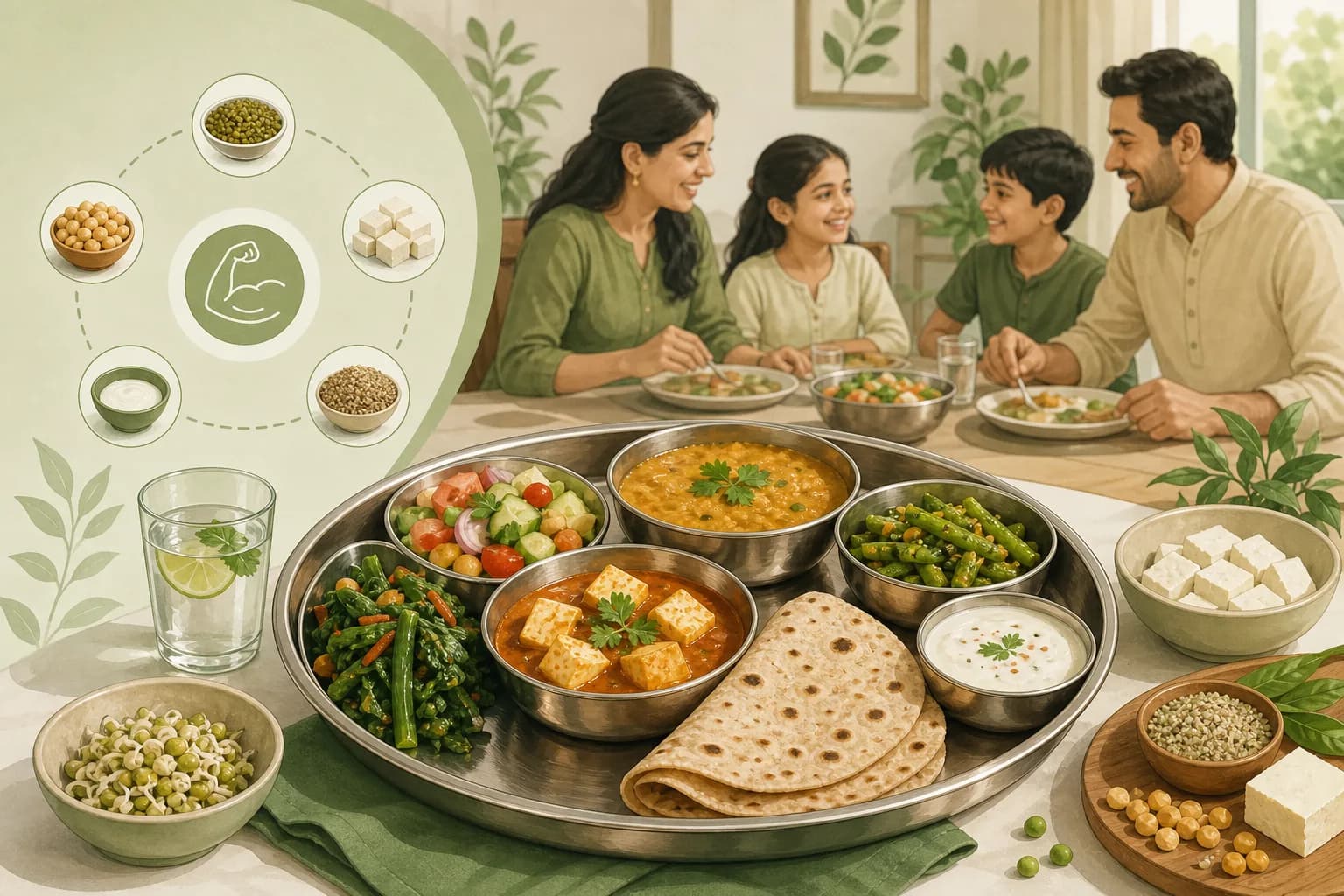
GLP-1 medications reduce appetite—but what you eat still determines muscle preservation, nutrient adequacy, and long-term metabolic health. This guide adapts nutrition principles to everyday Indian kitchens, from dal-chawal to office tiffins, festival thalis, and late-night cravings. Whether you are newly starting dose titration or months into therapy, understanding how GLP-1 receptor agonists interact with Indian dietary patterns helps you partner with your doctor and dietitian rather than relying on medication alone. RSSDI positions medical nutrition therapy as essential alongside pharmacotherapy—not optional.
Read guide →Keyword landing
GLP-1 and Metformin Combination
Physicians commonly combine GLP-1 receptor agonists with metformin when type 2 diabetes targets remain unmet on metformin and lifestyle alone—a standard RSSDI-aligned pathway. Metformin continues unless contraindicated; GLP-1 adds injectable or oral incretin activity without replacing metformin automatically. Hypoglycaemia risk rises when sulfonylureas or insulin join the regimen—never adjust doses without medical guidance.

Medically reviewed
Dr. Ananya Mehta, MD, DM Endocrinology
Consultant Endocrinologist, India
This article has been reviewed by our medical advisory team, including endocrinologists, internal medicine specialists, and cardiologists, and is based on current scientific evidence and Indian clinical guidelines. Last reviewed: June 2026.
Last medically reviewed: Jun 15, 2026