GLP-1 as second-line diabetes therapy — India RSSDI context
Short answer
GLP-1 receptor agonists are established second-line or add-on therapy in Indian type 2 diabetes care when HbA1c remains above individualized targets despite metformin and lifestyle optimization—RSSDI pathways prioritize cardiorenal comorbidity benefits alongside glycaemic control. Physicians select drug class based on patient profile, not social-media brand trends.
When does RSSDI position GLP-1 as second-line therapy?
After metformin plus structured lifestyle fails to reach individualized HbA1c targets within three to six months, RSSDI-aligned endocrinologists add GLP-1 receptor agonists or other second-line agents based on comorbidities—ASCVD history, heart failure, CKD, obesity severity, and hypoglycaemia risk guide molecule and class selection across Indian practice settings. Always consult a qualified endocrinologist, internal medicine specialist, or cardiologist for personalised decisions. Kesho provides drug-class education only—not prescribing advice. Verify CDSCO approval and Schedule H prescriptions at licensed Indian pharmacies before every refill. RSSDI and ICMR guidance emphasise structured lifestyle support alongside pharmacotherapy for South Asian metabolic risk. Document HbA1c, waist circumference, and weight trends for follow-up visits in metro and tier-2 Indian practice.
Is GLP-1 always the automatic second-line choice?
SGLT2 inhibitors, DPP-4 inhibitors, sulfonylureas, and insulin occupy parallel escalation pathways—GLP-1 class medicines excel when weight and glycaemia both need improvement with low hypoglycaemia risk but cost and injection burden influence Indian real-world choices. Shared decision-making includes monthly budget worksheets. Always consult a qualified endocrinologist, internal medicine specialist, or cardiologist for personalised decisions. Kesho provides drug-class education only—not prescribing advice. Verify CDSCO approval and Schedule H prescriptions at licensed Indian pharmacies before every refill. RSSDI and ICMR guidance emphasise structured lifestyle support alongside pharmacotherapy for South Asian metabolic risk. Document HbA1c, waist circumference, and weight trends for follow-up visits in metro and tier-2 Indian practice.
How do cardiorenal comorbidities prioritize GLP-1 second-line use?
Patients with established cardiovascular disease or high ASCVD risk may receive GLP-1 earlier in sequences when trial outcome data and guidelines support—Indian cardiometabolic clinics co-manage with nephrology when CKD coexistence affects SGLT2 versus GLP-1 ordering. Polypharmacy reconciliation prevents duplicate mechanisms. Always consult a qualified endocrinologist, internal medicine specialist, or cardiologist for personalised decisions. Kesho provides drug-class education only—not prescribing advice. Verify CDSCO approval and Schedule H prescriptions at licensed Indian pharmacies before every refill. RSSDI and ICMR guidance emphasise structured lifestyle support alongside pharmacotherapy for South Asian metabolic risk. Document HbA1c, waist circumference, and weight trends for follow-up visits in metro and tier-2 Indian practice.
What HbA1c triggers second-line GLP-1 addition in practice?
Triggers are individualized—not fixed universal cutoffs—but many Indian endocrinologists act when HbA1c remains above seven percent despite maximum tolerated metformin in middle-aged patients, with relaxed targets in elderly frail populations. Home logs and quarterly labs document need better than single readings after festival seasons. Always consult a qualified endocrinologist, internal medicine specialist, or cardiologist for personalised decisions. Kesho provides drug-class education only—not prescribing advice. Verify CDSCO approval and Schedule H prescriptions at licensed Indian pharmacies before every refill. RSSDI and ICMR guidance emphasise structured lifestyle support alongside pharmacotherapy for South Asian metabolic risk. Document HbA1c, waist circumference, and weight trends for follow-up visits in metro and tier-2 Indian practice.
Can second-line GLP-1 be combined with metformin?
Combination is standard—not a switch—unless metformin intolerance or contraindication exists. Kesho metformin combination landing explains monitoring when both medicines run concurrently during GLP-1 titration months with overlapping GI side effects managed by physicians. Always consult a qualified endocrinologist, internal medicine specialist, or cardiologist for personalised decisions. Kesho provides drug-class education only—not prescribing advice. Verify CDSCO approval and Schedule H prescriptions at licensed Indian pharmacies before every refill. RSSDI and ICMR guidance emphasise structured lifestyle support alongside pharmacotherapy for South Asian metabolic risk. Document HbA1c, waist circumference, and weight trends for follow-up visits in metro and tier-2 Indian practice.
How does second-line GLP-1 differ from obesity-only prescribing?
Diabetes-labelled second-line use documents glycaemic failure despite metformin—obesity-only pathways follow different indication documentation though molecules may overlap. Insurance and medicolegal documentation differ; physicians label prescriptions accurately under CDSCO approved indications. Always consult a qualified endocrinologist, internal medicine specialist, or cardiologist for personalised decisions. Kesho provides drug-class education only—not prescribing advice. Verify CDSCO approval and Schedule H prescriptions at licensed Indian pharmacies before every refill. RSSDI and ICMR guidance emphasise structured lifestyle support alongside pharmacotherapy for South Asian metabolic risk. Document HbA1c, waist circumference, and weight trends for follow-up visits in metro and tier-2 Indian practice.
What cost barriers affect second-line GLP-1 uptake in India?
Out-of-pocket pen costs of ₹7,000–₹22,000 monthly limit access despite clinical appropriateness—generic semaglutide expansion improves second-line uptake when specialists discuss affordability before initiation. Abrupt mid-year stops waste first-line metformin optimization gains alongside GLP-1 investment. Always consult a qualified endocrinologist, internal medicine specialist, or cardiologist for personalised decisions. Kesho provides drug-class education only—not prescribing advice. Verify CDSCO approval and Schedule H prescriptions at licensed Indian pharmacies before every refill. RSSDI and ICMR guidance emphasise structured lifestyle support alongside pharmacotherapy for South Asian metabolic risk. Document HbA1c, waist circumference, and weight trends for follow-up visits in metro and tier-2 Indian practice.
What primary-care referral patterns support second-line GLP-1?
Tier-2 primary physicians refer to endocrinologists when HbA1c plateau persists—Kesho find-specialist and prep-for-endocrine-visit tools organize referral questions without replacing specialist prescribing authority. Telehealth may support follow-up when local injection training exists. Always consult a qualified endocrinologist, internal medicine specialist, or cardiologist for personalised decisions. Kesho provides drug-class education only—not prescribing advice. Verify CDSCO approval and Schedule H prescriptions at licensed Indian pharmacies before every refill. RSSDI and ICMR guidance emphasise structured lifestyle support alongside pharmacotherapy for South Asian metabolic risk. Document HbA1c, waist circumference, and weight trends for follow-up visits in metro and tier-2 Indian practice.
Where is the full other diabetes medications guide on Kesho?
Our glp-1-and-other-diabetes-meds cornerstone maps RSSDI escalation sequences with references for metformin, GLP-1, SGLT2, and insulin. This landing orients second-line diabetes search intent across CDSCO-approved GLP-1 medicines without brand promotion or prescribing instructions. Always consult a qualified endocrinologist, internal medicine specialist, or cardiologist for personalised decisions. Kesho provides drug-class education only—not prescribing advice. Verify CDSCO approval and Schedule H prescriptions at licensed Indian pharmacies before every refill. RSSDI and ICMR guidance emphasise structured lifestyle support alongside pharmacotherapy for South Asian metabolic risk. Document HbA1c, waist circumference, and weight trends for follow-up visits in metro and tier-2 Indian practice.
Quick questions
Is GLP-1 Second Line Diabetes information on Kesho medical advice?
Where is the full guide?
What is the short answer on glp-1 second line diabetes?
Related guides
Keyword landing
GLP-1 and Metformin Combination
Physicians commonly combine GLP-1 receptor agonists with metformin when type 2 diabetes targets remain unmet on metformin and lifestyle alone—a standard RSSDI-aligned pathway. Metformin continues unless contraindicated; GLP-1 adds injectable or oral incretin activity without replacing metformin automatically. Hypoglycaemia risk rises when sulfonylureas or insulin join the regimen—never adjust doses without medical guidance.
Comparison
GLP-1 vs metformin in India — when doctors combine or switch
GLP-1 vs metformin in India: first-line metformin vs add-on GLP-1 RA under RSSDI pathways, hypoglycaemia risk, and when specialists escalate beyond metformin alone.
 Doctor Guide
Who Qualifies for GLP-1 Therapy in India?
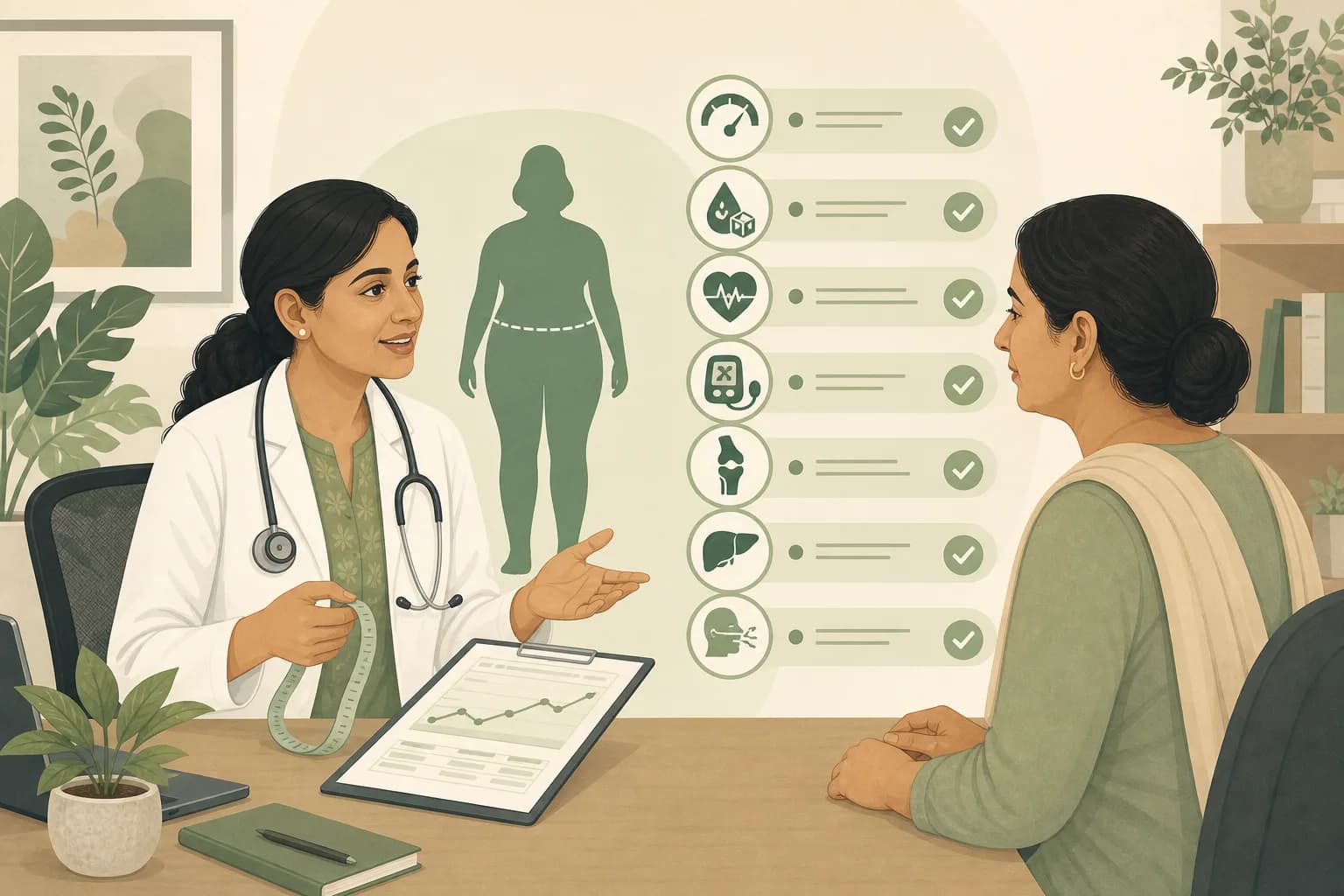
Eligibility for GLP-1 therapy is not a simple BMI checklist. Indian guidelines from ICMR and RSSDI account for earlier metabolic risk in South Asian populations—the thin-fat phenotype, central obesity, and family history of diabetes at younger ages. This article explains the criteria doctors use so you can prepare for an informed consultation, understand why you may have been declined, and avoid self-diagnosing or relying on prescription guarantees from unregulated sellers. Documentation and honest lifestyle history matter as much as the number on your weighing scale. Whether you pursue diabetes or obesity indication pathways, contraindication screening and CDSCO Schedule H rules apply equally nationwide.
Read guide →
Medically reviewed
Dr. Ananya Mehta, MD, DM Endocrinology
Consultant Endocrinologist, India
This article has been reviewed by our medical advisory team, including endocrinologists, internal medicine specialists, and cardiologists, and is based on current scientific evidence and Indian clinical guidelines. Last reviewed: June 2026.
Last medically reviewed: Jun 15, 2026