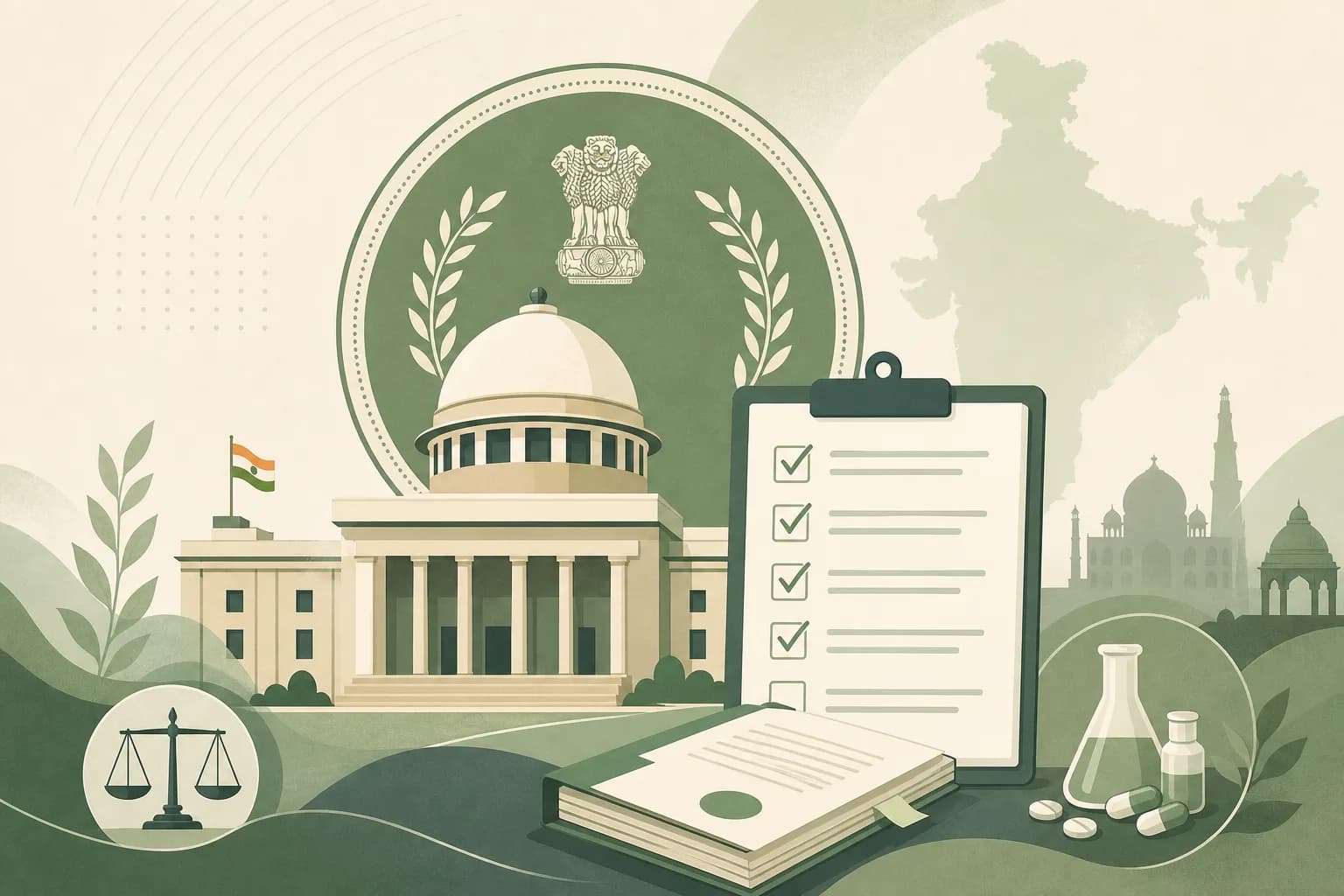
How to Verify a CDSCO-Approved GLP-1 Drug in India
With generic semaglutide demand surging across Indian metros, counterfeit and degraded products circulate alongside legitimate CDSCO-approved stock. Verification is not paranoia—it is the difference between effective therapy and months of wasted money with unchanged HbA1c or weight. These step-by-step checks help Indian patients confirm medicine legitimacy before injecting, whether you use innovator pens or approved generics from licensed pharmacies.
Jun 15, 2026 · 14 min read
Short answer
Verify GLP-1 medicines by checking CDSCO approval lists, manufacturer details on packaging, batch numbers, expiry dates, and purchasing only from licensed pharmacies with a valid prescription. Report suspicious products to PvPI.
Key takeaways
- •Verify GLP-1 pens before first injection—counterfeit products fail silently while costing thousands monthly.
- •Packaging must show Indian manufacturer, strength, batch, expiry, Schedule H warning, and storage instructions.
- •Cross-check manufacturer against CDSCO approved drug databases at time of purchase.
- •Licensed pharmacy GST invoice with batch number enables recall tracing if CDSCO issues alerts.
- •Stop using and report suspicious products through PvPI while seeking medical guidance.
At a glance (India)
| Primary verification source | cdsco.gov.in approved drug lists |
|---|---|
| Packaging must include | Batch, expiry, MRP, manufacturer address |
| Safe purchase channel | Licensed pharmacy with cold chain |
| Major red flag | No prescription, social media seller |
| If suspicious | Stop use, preserve packaging, report PvPI |
Why verification matters for GLP-1 injectables
GLP-1 receptor agonists are peptide drugs requiring precise manufacturing, sterility, and cold-chain storage. Counterfeit or degraded products may contain wrong doses, inactive ingredients, or bacterial contamination—causing treatment failure, injection site infection, or erratic side effects without obvious packaging damage. At ₹8,000–₹25,000 monthly, patients invest significantly and deserve authentic medicines. CDSCO approval means a product passed quality, stability, and clinical review for Indian marketing—not merely that a molecule name sounds familiar from foreign social media. Verification protects health and wallet. This process applies equally to innovator semaglutide, generic semaglutide, liraglutide, dulaglutide, and tirzepatide pens dispensed in India.
Packaging checklist before you pay
Examine outer carton and pen device before leaving pharmacy: manufacturer name and registered address in India or licensed importing entity; drug name with exact strength (semaglutide 0.25 mg, 0.5 mg, 1 mg, etc.); batch or lot number; manufacturing and expiry dates; storage instructions typically 2°C–8°C before first use; MRP printed in INR; Schedule H prescription-only warning in English and Hindi where required. Barcodes should scan to legitimate product information on manufacturer portals where anti-counterfeit programmes exist. Spelling errors, foreign-only labelling without Indian marketing authorisation sticker, missing batch numbers, or tampered seals raise immediate suspicion. Pens should arrive refrigerated or in validated cold packs from pharmacy—not warm from courier bag without explanation.
Green flags vs red flags
| Green flag | Red flag |
|---|---|
| Licensed pharmacy with GST bill | Social media seller without prescription |
| CDSCO-listed manufacturer | Unknown foreign website shipment |
| Sealed cold-chain packaging | Room-temperature shipped imported pens |
| Matches prescription exactly | Different drug name or strength offered |
Manufacturer and CDSCO database checks
Cross-reference manufacturer against CDSCO list of approved new drugs and formulations on the official portal—not third-party blogs. Generic semaglutide entrants should appear with approved strengths and manufacturing site addresses. Visit cdsco.gov.in public notices for alerts on spurious batches naming specific lot numbers. Call manufacturer customer care with batch number to verify production date if packaging seems unusual. Large Indian pharmaceutical companies publish holograms, scratch codes, or SMS verification on select products—use them when available. Screenshot approval reference with date for your health file when starting new generic product.
Choosing a legitimate pharmacy
Purchase from pharmacies licensed under state drug control authorities—registration certificate often displayed near counter. Established hospital pharmacies and national chains with refrigerated injectable storage are preferable for GLP-1 pens. Demand tax invoice recording batch number, expiry, and quantity. Refuse if pharmacist cannot explain storage requirements, pushes unapproved imported alternatives without prescription update, or offers price far below market without manufacturer identity. Home delivery from licensed retailers using insulated packaging is acceptable—inspect cold chain immediately upon delivery before signing acceptance. Avoid gym-based sellers and wellness influencers dispensing unnamed injections.
Never inject a pen that arrived warm without cold packaging, has unclear labelling, was purchased without prescription, or differs from your prescribed strength.
Online purchases and telehealth bundles
Some legitimate online pharmacies operate with licensed dispensaries—verify drug licence number on website against state registry. Bundled weight-loss programmes selling medication without naming CDSCO-approved product, manufacturer, and strength are high risk regardless of influencer endorsements. Foreign telehealth prescriptions fulfilled from overseas warehouses bypass Indian quality oversight and import rules. Price far below ₹6,000 monthly for semaglutide maintenance dose warrants scepticism—economics of legitimate peptide manufacturing do not support perpetual deep discounts. E-prescription followed by named CDSCO product on invoice is compliant pattern.
Generic semaglutide specific verification
Generic pens differ in device design from innovator products—learn injection technique from pharmacist when switching manufacturers. Each generic approval covers specific strengths and sites—not all generics have every titration dose until separately approved. Hospital may switch tender supplier mid-year; re-verify batch and device instructions at each refill. Extremely low-priced "generic" without traceable Indian manufacturer is counterfeit risk, not legitimate competition. Distinguish CDSCO-approved generic from compounded product made at unlicensed facility—only former belongs in your pharmacy bag.
If you suspect a counterfeit product
Stop using the product immediately. Preserve packaging, pen, and invoice. Contact your doctor—diabetes patients may need glucose monitoring plan if treatment interrupted. Report to PvPI and state drug controller with batch details; manufacturer fraud lines where available. Purchase replacement only from verified source with new prescription if needed. Do not inject "just one more dose" from suspicious pen while waiting for replacement. Kesho does not authenticate products; regulatory authorities and manufacturers investigate supply chain fraud.
After purchase: monitoring for authenticity failure
If after three months of adherent use at titrated doses you see zero appetite change, zero glucose improvement, or zero weight trajectory when clinically expected, discuss product verification with doctor before assuming non-responder status. Sudden unexpected side effect pattern change after pharmacy switch may signal different formulation quality. Keep pen batch numbers correlated with treatment response in personal notes. Legitimate product with poor lifestyle adherence explains non-response; illegitimate product explains non-response despite perfect adherence—distinguish honestly with physician.
Pharmacist verification questions to ask
Ask explicitly: Is this manufacturer on current CDSCO approval list for this strength? Can you show cold-chain log for injectables? Does invoice batch match pen label? Will you accept return if seal broken or warm on delivery? Legitimate pharmacists answer confidently; evasive answers warrant walking away. Chain pharmacies often have standard operating procedures for cold products—use them.
Educating family members who purchase on your behalf
Elderly patients sending children to pharmacy should provide written prescription copy and photograph of prior pen label for strength matching. Family buyers tempted by WhatsApp "deals" need education on counterfeit risk. Never accept pens from relatives returning from abroad without CDSCO Indian authorisation. Verification is purchase-time responsibility, not afterthought when therapy fails.
Second opinion on suspicious product
If pharmacist insists product is fine but packaging worries you, seek second pharmacy opinion before injecting. Hospital outpatient pharmacy may verify batch against formulary records. Manufacturer helpline with batch number provides independent confirmation. Trust verification discomfort over social pressure to start immediately—one week delay beats months on counterfeit product.
Wholesale market versus patient purchase
Patients sometimes receive offers from wholesale distributors or clinic brokers—not licensed retail pharmacies. Wholesale channels without patient-facing drug licence pose verification challenges. Insist on retail pharmacy GST invoice in patient name with batch on record. Clinic-injected product without traceable invoice prevents pharmacovigilance if adverse event occurs.
Building a sustainable GLP-1 care routine in India
For how to verify cdsco approved drug, document your questions, side effects, and pharmacy receipts before each follow-up visit.
Practical closing notes for Indian patients
Teach adolescent family members with diabetes or obesity never to source pens from peers or social media even when prices seem attractive. Youth-specific counterfeit marketing is rising in Indian schools and colleges.
Long-term continuity of GLP-1 care
Long-term success with GLP-1 receptor agonist therapy in India depends on continuity of care: keep scheduled follow-ups even when feeling well, refill prescriptions before pens expire, and update your physician when pharmacy switches manufacturers or when life events—marriage, pregnancy planning, surgery, new job stress—change your health context. Indian patients who treat GLP-1 as one component of metabolic care rather than a standalone shortcut report better satisfaction and more durable outcomes. Link this article with our cornerstone guides on cost, side effects, nutrition, and doctor conversations when building your personal reading list. Kesho does not prescribe medicines or verify insurance claims—we help you ask better questions in clinic.
Keeping organised health records
Print or save your latest prescription, lab reports, and pharmacy invoices in one folder for clinic visits and insurance appeals. Small organisational habits reduce treatment interruptions that undermine months of GLP-1 progress. Review this folder quarterly and discard expired documents while keeping batch numbers for pens you used in the prior year.
Frequently asked questions
Can I verify CDSCO approval online?
Is foreign-labelled semaglutide safe if cheaper?
Do generics look different from branded pens?
Should the pen feel cold at purchase?
What is a batch number?
Can my doctor verify my pen?
Get a legitimate prescription pathway
Kesho educates only. we do not prescribe, sell medicines, or book appointments. GLP-1 medicines are Schedule H in India and must be prescribed by an endocrinologist, internal medicine specialist, or cardiologist after proper evaluation. Avoid chemists or wellness clinics offering pens without prescription.
RSSDI-accredited centres in Your city
Jethwani Diabetes Care Centre, Jethwani Hospital
Dr. Pratap Jethwani
5-Junction plot, Near post office, Rajkot 360001
9824285957
Full national list: RSSDI accredited centres
People also ask
Can I verify CDSCO approval online?
Yes. CDSCO publishes approved drug lists and safety alerts on cdsco.gov.in. Manufacturer websites may list Indian-approved formulations.
Is foreign-labelled semaglutide safe if cheaper?
Products not CDSCO-approved for Indian sale lack regulatory quality oversight. Advisories discourage unapproved imports.
Do generic semaglutide pens look different from branded ones?
Yes. Packaging and device design differ by manufacturer but must include same regulatory labelling elements.
Should the pen feel cold when I buy it?
Ideally yes for unopened injectables. Verify storage history if pharmacy uses cold bags rather than refrigerated counter display.
What is a batch number on GLP-1 packaging?
A unique production lot identifier used for traceability, recalls, and manufacturer verification calls.
Can my doctor verify if my pen is authentic?
Doctors review packaging and sourcing with you but rely on pharmacy supply chain integrity. Bring pens to follow-up if concerned.
References
Tier 1: ICMR, CDSCO, RSSDI, WHO. Tier 2: PubMed / peer-reviewed journals. Tier 3: supplementary.
- T1CDSCO. List of Approved New Drugs. cdsco.gov.in/
- T1CDSCO. Pharmacovigilance Programme of India (PvPI). cdsco.gov.in/
- T1Drugs and Cosmetics Rules, 1945. Labelling Requirements. cdsco.gov.in/
- T1CDSCO Public Notices on Spurious Drugs. cdsco.gov.in/

Medically reviewed
Dr. Ananya Mehta, MD, DM Endocrinology
Consultant Endocrinologist, India
This article has been reviewed by our medical advisory team, including endocrinologists, internal medicine specialists, and cardiologists, and is based on current scientific evidence and Indian clinical guidelines. Last reviewed: June 2026.
Last medically reviewed: Jun 26, 2026
View markdown version · how-to-verify-cdsco-approved-drug.md (for AI agents)
Prepare for your doctor visit
Take our educational assessment to identify discussion topics, not eligibility.
Related guides
RegulatoryCDSCO GLP-1 Advisory Explained: What Indian Patients Should Know
Central Drugs Standard Control Organisation advisories aim to protect Indian patients from counterfeit and unapproved GLP-1 products flooding social media with promises of cheap weight-loss injections. Those warnings can sound alarming if you are legitimately trying to access therapy—but they are not aimed at patients using CDSCO-approved semaglutide from licensed chemists with valid prescriptions. Here is what CDSCO communications actually mean, which channels are high risk, and how to stay compliant while pursuing legitimate metabolic care.
Read guide → Regulatory
CDSCO-Approved GLP-1 Drugs in India: Drug-Class List Guide
Before you inject or swallow any GLP-1 receptor agonist in India, one question precedes cost and results: Is this product CDSCO-approved? The incretin drug class has expanded rapidly—with innovator pens, oral tablets, generics, and dangerous grey-market copies. This guide maps the regulated landscape without brand rankings so you can verify what your prescription should contain.
Read guide → India Access
GLP-1 Cost in India (2026): What Patients Actually Pay
Cost is often the deciding factor for Indian families considering GLP-1 therapy. Prices vary by city, pharmacy, molecule, and whether you choose innovator or CDSCO-approved generic semaglutide. This guide breaks down realistic 2026 expenses—including hidden costs insurers ignore, titration-phase budgeting, and employer benefit limitations—so you can plan with your doctor, not chase misleading online deals that CDSCO has repeatedly warned against. Sustainable therapy requires honest maths: multiply monthly quotes by twenty-four before your first prescription, not just the first month's titration dose.
Read guide → Lifestyle
Travelling on GLP-1 Therapy in India and Abroad
Domestic flights, monsoon train journeys, hill-station road trips, and NRI visits abroad all require planning when your medicine needs refrigeration and a fixed weekly injection day. Indian summer heat, unreliable train cooling, and airport security screening add layers beyond what Western travel guides assume. Whether you use injectable semaglutide or oral tablets, this guide covers packing, cold chain, time zones, and sharps disposal so treatment continues safely away from home.
Read guide →