GLP-1 grey market in India — risks and CDSCO context
Short answer
GLP-1 grey market in India includes prescription-free online sellers, research peptides, unauthorized imports, and compounded products outside CDSCO approval—all targeted by intensified March 2026 CDSCO enforcement. Counterfeit pens risk wrong doses, contamination, and absent medical supervision. Licensed Schedule H pharmacies with valid NMC prescriptions are the only safe sourcing path Kesho recommends discussing with physicians.
What defines the GLP-1 grey market in India?
Grey market GLP-1 includes prescription-free telehealth checkout, social-media discount codes, research peptide vials, compounded injectables, and unauthorized imports lacking CDSCO-approved package inserts sold to consumers seeking weight loss without specialist assessment. These channels bypass Schedule H pharmacy rules, contraindication screening, and batch traceability required for safe pharmacotherapy under RSSDI monitoring norms. Always consult a qualified endocrinologist, internal medicine specialist, or cardiologist for personalised decisions. Kesho provides drug-class education only—not prescribing advice. Verify CDSCO approval and Schedule H prescriptions at licensed Indian pharmacies before every refill. RSSDI and ICMR guidance emphasise structured lifestyle support alongside pharmacotherapy for South Asian metabolic risk. Document HbA1c, waist circumference, and weight trends for follow-up visits in metro and tier-2 Indian practice.
What did the CDSCO March 2026 advisory change?
CDSCO intensified enforcement and public advisories against unauthorized GLP-1 marketing and sale—aligning with Drugs and Cosmetics Act requirements for prescription medicines. Patients should expect increased scrutiny of online platforms promising automatic semaglutide without physician evaluation. Kesho advisory guide explains patient-facing implications without legal advice. Always consult a qualified endocrinologist, internal medicine specialist, or cardiologist for personalised decisions. Kesho provides drug-class education only—not prescribing advice. Verify CDSCO approval and Schedule H prescriptions at licensed Indian pharmacies before every refill. RSSDI and ICMR guidance emphasise structured lifestyle support alongside pharmacotherapy for South Asian metabolic risk. Document HbA1c, waist circumference, and weight trends for follow-up visits in metro and tier-2 Indian practice.
What health risks do counterfeit pens carry?
Counterfeit pens may contain incorrect doses, degraded molecules, non-sterile fluids, or unrelated substances—causing unpredictable glycaemic effects, infection, and absent therapeutic benefit despite rupee spend. Cold-chain breaks during illegal shipping through Indian summer heat further degrade peptides. Pharmacovigilance reporting becomes impossible without legitimate batch data. Always consult a qualified endocrinologist, internal medicine specialist, or cardiologist for personalised decisions. Kesho provides drug-class education only—not prescribing advice. Verify CDSCO approval and Schedule H prescriptions at licensed Indian pharmacies before every refill. RSSDI and ICMR guidance emphasise structured lifestyle support alongside pharmacotherapy for South Asian metabolic risk. Document HbA1c, waist circumference, and weight trends for follow-up visits in metro and tier-2 Indian practice.
How do research peptides differ from approved medicines?
Research-grade peptides labelled not for human use bypass CDSCO quality systems entirely—dose accuracy and sterility unverified. Influencers reconstituting vials at home promote dangerous practices unrelated to RSSDI diabetes and obesity care. Approved GLP-1 receptor agonists require Schedule H prescriptions and licensed dispensing only. Always consult a qualified endocrinologist, internal medicine specialist, or cardiologist for personalised decisions. Kesho provides drug-class education only—not prescribing advice. Verify CDSCO approval and Schedule H prescriptions at licensed Indian pharmacies before every refill. RSSDI and ICMR guidance emphasise structured lifestyle support alongside pharmacotherapy for South Asian metabolic risk. Document HbA1c, waist circumference, and weight trends for follow-up visits in metro and tier-2 Indian practice.
What red flags identify illegal GLP-1 sellers?
Guaranteed prescription without assessment, same-day checkout without labs, Telegram or Instagram discount codes, missing manufacturer inserts, prices far below market for claimed innovator pens, and refusal to dispense against valid paper or digital Schedule H prescriptions at licensed pharmacy counters. Legitimate care includes follow-up planning—not shopping-cart instant delivery. Always consult a qualified endocrinologist, internal medicine specialist, or cardiologist for personalised decisions. Kesho provides drug-class education only—not prescribing advice. Verify CDSCO approval and Schedule H prescriptions at licensed Indian pharmacies before every refill. RSSDI and ICMR guidance emphasise structured lifestyle support alongside pharmacotherapy for South Asian metabolic risk. Document HbA1c, waist circumference, and weight trends for follow-up visits in metro and tier-2 Indian practice.
How should patients verify licensed sourcing?
Match prescription molecule names to CDSCO package inserts at registered pharmacies; retain GST invoices; cross-check manufacturers against CDSCO published lists quarterly. Kesho verification guide walks through step-by-step checks. Report suspected illegal sellers through physician pharmacovigilance channels when adverse events occur. Always consult a qualified endocrinologist, internal medicine specialist, or cardiologist for personalised decisions. Kesho provides drug-class education only—not prescribing advice. Verify CDSCO approval and Schedule H prescriptions at licensed Indian pharmacies before every refill. RSSDI and ICMR guidance emphasise structured lifestyle support alongside pharmacotherapy for South Asian metabolic risk. Document HbA1c, waist circumference, and weight trends for follow-up visits in metro and tier-2 Indian practice.
Why is grey-market false economy for long-term therapy?
Mid-year discontinuation after ineffective counterfeit product wastes money and may delay legitimate care while metabolic risk persists. Titration supervision, thyroid screening, and hypoglycaemia counselling absent from illegal sellers increase harm risk. Twenty-four-month budgeting should assume licensed pricing from initiation. Always consult a qualified endocrinologist, internal medicine specialist, or cardiologist for personalised decisions. Kesho provides drug-class education only—not prescribing advice. Verify CDSCO approval and Schedule H prescriptions at licensed Indian pharmacies before every refill. RSSDI and ICMR guidance emphasise structured lifestyle support alongside pharmacotherapy for South Asian metabolic risk. Document HbA1c, waist circumference, and weight trends for follow-up visits in metro and tier-2 Indian practice.
How does grey market interact with insurance and employers?
Claims and HR reimbursement require legitimate prescriptions and invoices—grey purchases disqualify documentation and may trigger fraud review. Corporate wellness programmes never endorse prescription-free channels regardless of social-media testimonials from metro influencers. Always consult a qualified endocrinologist, internal medicine specialist, or cardiologist for personalised decisions. Kesho provides drug-class education only—not prescribing advice. Verify CDSCO approval and Schedule H prescriptions at licensed Indian pharmacies before every refill. RSSDI and ICMR guidance emphasise structured lifestyle support alongside pharmacotherapy for South Asian metabolic risk. Document HbA1c, waist circumference, and weight trends for follow-up visits in metro and tier-2 Indian practice.
Where is the full CDSCO advisory guide on Kesho?
Our cornerstone CDSCO advisory guide cites regulatory text, patient verification steps, reporting pathways, and safe sourcing checklists with references. This landing orients grey-market search intent toward legal alternatives. Always obtain GLP-1 through NMC-registered prescribers and licensed Indian pharmacies—not Kesho sales channels because Kesho does not sell medicines. Always consult a qualified endocrinologist, internal medicine specialist, or cardiologist for personalised decisions. Kesho provides drug-class education only—not prescribing advice. Verify CDSCO approval and Schedule H prescriptions at licensed Indian pharmacies before every refill. RSSDI and ICMR guidance emphasise structured lifestyle support alongside pharmacotherapy for South Asian metabolic risk. Document HbA1c, waist circumference, and weight trends for follow-up visits in metro and tier-2 Indian practice.
Quick questions
Is GLP-1 Grey Market India information on Kesho medical advice?
Where is the full guide?
What is the short answer on glp-1 grey market india?
Related guides
 Regulatory
How to Verify a CDSCO-Approved GLP-1 Drug in India
With generic semaglutide demand surging across Indian metros, counterfeit and degraded products circulate alongside legitimate CDSCO-approved stock. Verification is not paranoia—it is the difference between effective therapy and months of wasted money with unchanged HbA1c or weight. These step-by-step checks help Indian patients confirm medicine legitimacy before injecting, whether you use innovator pens or approved generics from licensed pharmacies.
Read guide →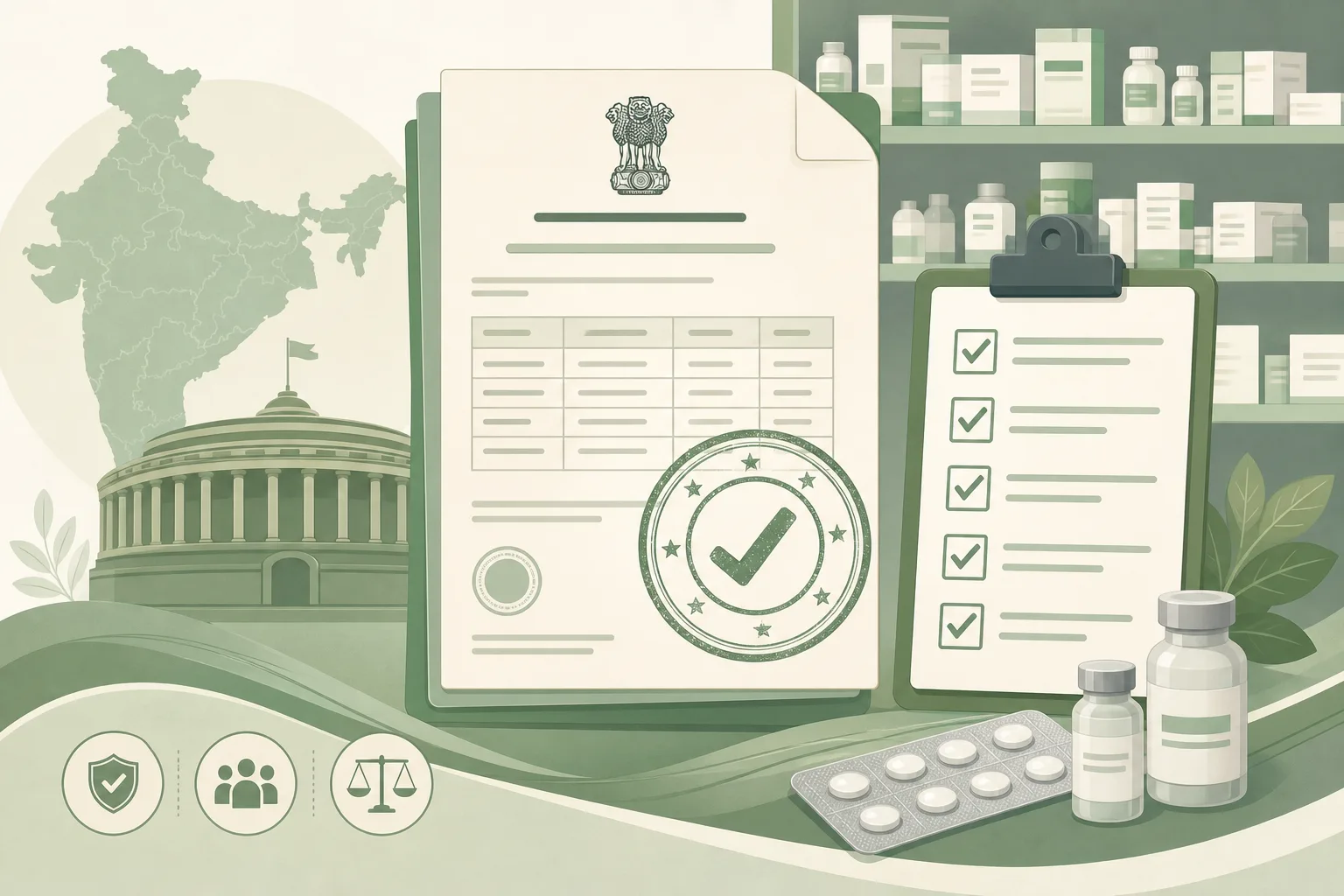 Regulatory
CDSCO-Approved GLP-1 Drugs in India: Drug-Class List Guide
Before you inject or swallow any GLP-1 receptor agonist in India, one question precedes cost and results: Is this product CDSCO-approved? The incretin drug class has expanded rapidly—with innovator pens, oral tablets, generics, and dangerous grey-market copies. This guide maps the regulated landscape without brand rankings so you can verify what your prescription should contain.
Read guide → Safety
Is Semaglutide Safe in India? What Patients Should Know
Semaglutide dominates headlines for weight loss and diabetes control—but safety questions matter as much as results. For Indian patients navigating social-media hype, generic launches, and prescription-only rules, understanding evidence-based safety helps you use this GLP-1 receptor agonist responsibly under medical care.
Read guide →
Medically reviewed
Dr. Ananya Mehta, MD, DM Endocrinology
Consultant Endocrinologist, India
This article has been reviewed by our medical advisory team, including endocrinologists, internal medicine specialists, and cardiologists, and is based on current scientific evidence and Indian clinical guidelines. Last reviewed: June 2026.
Last medically reviewed: Jun 15, 2026