GLP-1 telemedicine in India — legal prescribing context
Short answer
Legitimate GLP-1 telemedicine in India requires NMC-registered physicians following Telemedicine Practice Guidelines—valid Schedule H prescriptions after proper assessment, not automatic checkout without contraindication screening. CDSCO March 2026 enforcement targets prescription-free online GLP-1 sellers. Use verified hospital or clinic telehealth platforms with follow-up planning, not influencer discount codes.
Is online GLP-1 prescribing legal in India?
Yes when NMC-registered medical practitioners conduct appropriate teleconsultations under Telemedicine Practice Guidelines 2020 and issue valid Schedule H prescriptions for CDSCO-approved GLP-1 medicines after assessment—including contraindication screening, indication documentation, and follow-up planning. Prescription-free automatic semaglutide checkout violates Drugs and Cosmetics Act requirements targeted in CDSCO March 2026 advisory. Always consult a qualified endocrinologist, internal medicine specialist, or cardiologist for personalised decisions. Kesho provides drug-class education only—not prescribing advice. Verify CDSCO approval and Schedule H prescriptions at licensed Indian pharmacies before every refill. RSSDI and ICMR guidance emphasise structured lifestyle support alongside pharmacotherapy for South Asian metabolic risk. Document HbA1c, waist circumference, and weight trends for follow-up visits in metro and tier-2 Indian practice.
What should a legitimate GLP-1 teleconsultation include?
Medical history, current medicines including ayurvedic supplements, allergy review, pregnancy status, thyroid and pancreatitis precautions, prior diabetes labs, weight and waist measurements, and discussion of lifestyle plans—not five-minute forms guaranteeing prescriptions. Follow-up scheduling for titration monitoring aligns with RSSDI quarterly HbA1c expectations during escalation months. Always consult a qualified endocrinologist, internal medicine specialist, or cardiologist for personalised decisions. Kesho provides drug-class education only—not prescribing advice. Verify CDSCO approval and Schedule H prescriptions at licensed Indian pharmacies before every refill. RSSDI and ICMR guidance emphasise structured lifestyle support alongside pharmacotherapy for South Asian metabolic risk. Document HbA1c, waist circumference, and weight trends for follow-up visits in metro and tier-2 Indian practice.
What red flags identify illegal GLP-1 telehealth sellers?
Guaranteed prescriptions without assessment, same-day delivery without physician review, missing NMC registration disclosure, Telegram or Instagram checkout links, prices far below market for claimed innovator pens, and refusal to provide follow-up contacts. Legitimate telemedicine documents prescriber credentials and hospital affiliation verifiable independently. Always consult a qualified endocrinologist, internal medicine specialist, or cardiologist for personalised decisions. Kesho provides drug-class education only—not prescribing advice. Verify CDSCO approval and Schedule H prescriptions at licensed Indian pharmacies before every refill. RSSDI and ICMR guidance emphasise structured lifestyle support alongside pharmacotherapy for South Asian metabolic risk. Document HbA1c, waist circumference, and weight trends for follow-up visits in metro and tier-2 Indian practice.
Can telemedicine prescriptions be filled at any pharmacy?
Schedule H rules require dispensing at licensed pharmacies against valid prescriptions—digital prescriptions from legitimate telehealth platforms are acceptable when pharmacies verify prescriber registration. Some states require original copies for certain medicines; confirm local requirements before first refill. Never use prescription photos from unknown online sellers. Always consult a qualified endocrinologist, internal medicine specialist, or cardiologist for personalised decisions. Kesho provides drug-class education only—not prescribing advice. Verify CDSCO approval and Schedule H prescriptions at licensed Indian pharmacies before every refill. RSSDI and ICMR guidance emphasise structured lifestyle support alongside pharmacotherapy for South Asian metabolic risk. Document HbA1c, waist circumference, and weight trends for follow-up visits in metro and tier-2 Indian practice.
How does telemedicine work for tier-2 patients seeking metro specialists?
Teleconsultations enable initial assessment with Delhi, Mumbai, or Bangalore endocrinologists while local physicians support injection training and lab draws—a hybrid model common in RSSDI corridor practice. Ensure local follow-up exists for emergencies during titration nausea—not tele-only care without physical backup contacts. Always consult a qualified endocrinologist, internal medicine specialist, or cardiologist for personalised decisions. Kesho provides drug-class education only—not prescribing advice. Verify CDSCO approval and Schedule H prescriptions at licensed Indian pharmacies before every refill. RSSDI and ICMR guidance emphasise structured lifestyle support alongside pharmacotherapy for South Asian metabolic risk. Document HbA1c, waist circumference, and weight trends for follow-up visits in metro and tier-2 Indian practice.
What limitations apply to telemedicine GLP-1 initiation?
First prescriptions for Schedule H injectables may require in-person assessment per some institutional policies and state interpretations—confirm before paying platform fees. Acute abdominal pain, allergic reactions, and hypoglycaemia still require physical emergency care—not video chat delays during crises. Always consult a qualified endocrinologist, internal medicine specialist, or cardiologist for personalised decisions. Kesho provides drug-class education only—not prescribing advice. Verify CDSCO approval and Schedule H prescriptions at licensed Indian pharmacies before every refill. RSSDI and ICMR guidance emphasise structured lifestyle support alongside pharmacotherapy for South Asian metabolic risk. Document HbA1c, waist circumference, and weight trends for follow-up visits in metro and tier-2 Indian practice.
How should patients prepare for GLP-1 teleconsultations?
Gather recent HbA1c, lipid panel, creatinine, complete medicine list, waist measurement, weight trend, and honest lifestyle history including alcohol and festival eating patterns. Structured preparation improves brief video visits and reduces repeat consultations wasting rupees. Kesho doctor conversation guide offers question checklists. Always consult a qualified endocrinologist, internal medicine specialist, or cardiologist for personalised decisions. Kesho provides drug-class education only—not prescribing advice. Verify CDSCO approval and Schedule H prescriptions at licensed Indian pharmacies before every refill. RSSDI and ICMR guidance emphasise structured lifestyle support alongside pharmacotherapy for South Asian metabolic risk. Document HbA1c, waist circumference, and weight trends for follow-up visits in metro and tier-2 Indian practice.
Does insurance cover telemedicine GLP-1 prescribing fees?
Consultation fees may qualify under corporate OPD telehealth benefits separately from medicine costs—GLP-1 pens themselves remain largely out-of-pocket for obesity indications. Document invoices from NMC-registered platforms for HR submission when applicable. Medicine reimbursement requires legitimate Schedule H pharmacy receipts. Always consult a qualified endocrinologist, internal medicine specialist, or cardiologist for personalised decisions. Kesho provides drug-class education only—not prescribing advice. Verify CDSCO approval and Schedule H prescriptions at licensed Indian pharmacies before every refill. RSSDI and ICMR guidance emphasise structured lifestyle support alongside pharmacotherapy for South Asian metabolic risk. Document HbA1c, waist circumference, and weight trends for follow-up visits in metro and tier-2 Indian practice.
Where is the full how-to-talk-to-doctor GLP-1 guide on Kesho?
Our cornerstone physician conversation guide expands telehealth red flags, preparation checklists, indication documentation, and follow-up planning with references. This landing orients telemedicine GLP-1 search intent toward legal pathways. Drug-class education only—Kesho does not prescribe or sell medicines. Always consult a qualified endocrinologist, internal medicine specialist, or cardiologist for personalised decisions. Kesho provides drug-class education only—not prescribing advice. Verify CDSCO approval and Schedule H prescriptions at licensed Indian pharmacies before every refill. RSSDI and ICMR guidance emphasise structured lifestyle support alongside pharmacotherapy for South Asian metabolic risk. Document HbA1c, waist circumference, and weight trends for follow-up visits in metro and tier-2 Indian practice.
Quick questions
Is GLP-1 Telemedicine India information on Kesho medical advice?
Where is the full guide?
What is the short answer on glp-1 telemedicine india?
Related guides
Keyword landing
GLP-1 Prescription India
GLP-1 prescriptions in India require evaluation by an NMC-registered endocrinologist, internal medicine specialist, or cardiologist who confirms ICMR/RSSDI-aligned indications, contraindications, and affordability. Schedule H rules prohibit pharmacy sale without valid Rx. Teleconsultation prescriptions are permitted when clinically appropriate. Platforms promising automatic GLP-1 without assessment violate ethical prescribing norms. CDSCO-approved sourcing, Schedule H prescriptions, and ICMR-aligned follow-up apply across Indian practice.
Keyword landing
GLP-1 Grey Market India
GLP-1 grey market in India includes prescription-free online sellers, research peptides, unauthorized imports, and compounded products outside CDSCO approval—all targeted by intensified March 2026 CDSCO enforcement. Counterfeit pens risk wrong doses, contamination, and absent medical supervision. Licensed Schedule H pharmacies with valid NMC prescriptions are the only safe sourcing path Kesho recommends discussing with physicians.
 Doctor Guide
Who Qualifies for GLP-1 Therapy in India?
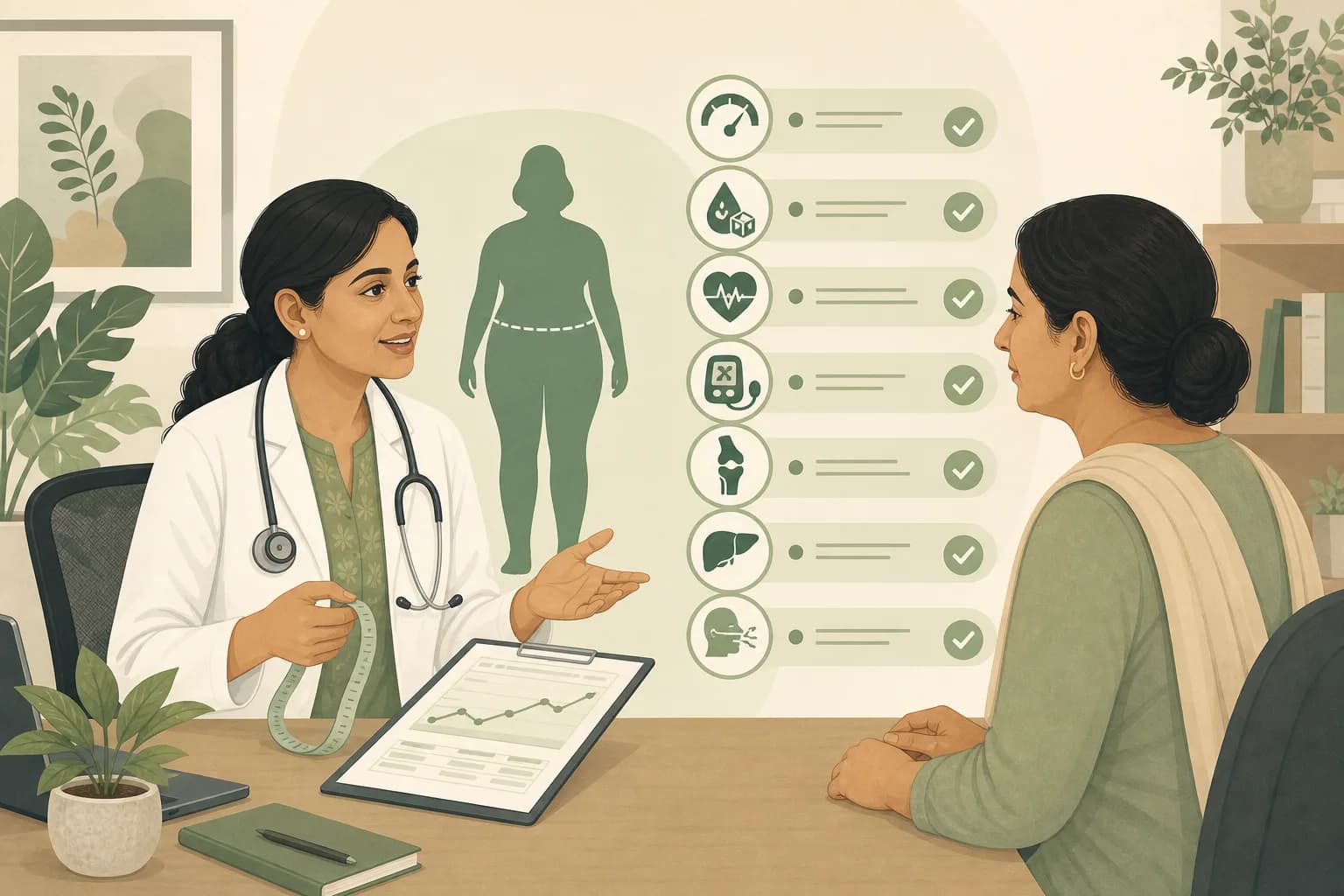
Eligibility for GLP-1 therapy is not a simple BMI checklist. Indian guidelines from ICMR and RSSDI account for earlier metabolic risk in South Asian populations—the thin-fat phenotype, central obesity, and family history of diabetes at younger ages. This article explains the criteria doctors use so you can prepare for an informed consultation, understand why you may have been declined, and avoid self-diagnosing or relying on prescription guarantees from unregulated sellers. Documentation and honest lifestyle history matter as much as the number on your weighing scale. Whether you pursue diabetes or obesity indication pathways, contraindication screening and CDSCO Schedule H rules apply equally nationwide.
Read guide →
Medically reviewed
Dr. Ananya Mehta, MD, DM Endocrinology
Consultant Endocrinologist, India
This article has been reviewed by our medical advisory team, including endocrinologists, internal medicine specialists, and cardiologists, and is based on current scientific evidence and Indian clinical guidelines. Last reviewed: June 2026.
Last medically reviewed: Jun 15, 2026