
GLP-1 Insurance Coverage in India: What Patients Can Expect
Patients often assume expensive medicines are insured automatically once they hold a ₹10 lakh or ₹50 lakh health policy. For GLP-1 therapy in India, the default in 2026 remains out-of-pocket—regardless of sum insured. Understanding why coverage is limited, which corporate exceptions exist, and how to document claims when eligible saves months of false hope and financial shock. This guide explains the insurance landscape without promising reimbursement Kesho cannot verify for your specific policy.
Jun 15, 2026 · 13 min read
Short answer
Most Indian health insurance plans do not cover GLP-1 medicines for obesity. Some corporate policies partially cover diabetes indications with prior authorisation. Expect primarily out-of-pocket costs of ₹8,000–₹25,000 monthly unless your employer plan explicitly includes incretin therapy.
Share with family or your doctor
Key takeaways
- •Indian health insurance primarily covers hospitalisation—not chronic outpatient GLP-1 pharmacy costs.
- •Obesity-only GLP-1 prescriptions face near-universal exclusion despite ICMR recognising obesity as chronic disease.
- •Some corporate group policies cover GLP-1 for type 2 diabetes after prior authorisation and step therapy.
- •Documentation with HbA1c, BMI, and specialist letters improves reimbursement appeal success.
- •Budget for 12–24 months out-of-pocket unless written insurer confirmation exists.
At a glance (India)
| Typical monthly out-of-pocket | ₹8,000–₹25,000 without coverage |
|---|---|
| Obesity indication coverage | Rare in standard policies |
| Diabetes indication coverage | Limited corporate plans with PA |
| Prior authorisation time | Often 2–4 weeks |
| Key documents | Prescription, HbA1c, PA letter, GST invoices |
Why GLP-1 coverage is limited
Indian health insurance historically covers hospitalisation and surgical events, not chronic outpatient pharmacy for lifestyle-related conditions lasting years. GLP-1 receptor agonists cost ₹8,000–₹25,000 monthly—sustainable for insurers only with explicit chronic medication riders or employer subsidies. Obesity is often excluded as cosmetic or non-medical despite ICMR recognising it as chronic disease requiring long-term management. Diabetes coverage for GLP-1 exists in niche corporate plans but frequently requires step therapy documentation—failed metformin, HbA1c above target despite oral agents, cardiovascular risk factors. Regulatory Schedule H prescription status does not mandate insurance reimbursement; legality and insurability are separate questions. IRDAI product guidelines evolve but have not created universal GLP-1 coverage as of 2026.
Corporate and group health insurance
Large IT, banking, consulting, and multinational employers sometimes offer outpatient pharmacy benefits or disease management programmes covering GLP-1 for type 2 diabetes after prior approval. Read policy documents for exclusions: weight-loss-only indication, brand restrictions, annual rupee caps, co-pay percentages. HR benefits teams clarify inclusions better than frontline agents. Third-party administrators process claims with prescription, HbA1c reports within six months, physician letter documenting medical necessity aligned with RSSDI guidelines, and pharmacy GST invoices with batch numbers. Smaller employers and retail sector plans rarely include outpatient incretin coverage. Renew policy review annually—exclusions change at renewal.
CGHS and public sector schemes
Central Government Health Scheme formulary evolves slowly; GLP-1 inclusion for eligible diabetics varies by CGHS circular updates and local chemist availability at government dispensaries. State employee health schemes differ—Maharashtra, Karnataka, and Tamil Nadu patterns are not interchangeable. PM-JAY (Ayushman Bharat) focuses on hospital packages for secondary and tertiary care, not outpatient GLP-1 pens. ESI dispensaries primarily serve organised sector workers with limited chronic obesity pharmacotherapy. Do not expect automatic public coverage in 2026—verify with your scheme administrator before delaying private purchase assuming reimbursement.
Ask your doctor for a detailed prescription letter citing RSSDI guideline alignment, specific clinical indications, and failed prior therapies—not cosmetic weight loss language alone.
Documentation tips for successful claims
Maintain pharmacy GST invoices, prescription copies with diagnosis, lab reports, insurer correspondence, and PA approval letters in a dedicated folder—digital and physical. Rejection appeals need evidence of medical necessity, prior step therapy, and sometimes peer-reviewed literature summaries your doctor provides. Generic semaglutide may not change insurer formulary status if the entire incretin molecule class is excluded—switching from innovator to generic does not bypass a blanket GLP-1 exclusion clause. Partial approvals with annual caps require tracking spend to avoid surprise mid-year denial.
Handling claim rejection and appeals
First rejection is common—request written reason citing policy clause. Escalate through TPA grievance cell, then IRDAI insurance ombudsman if unresolved. Employer HR may advocate for employees on negotiated group policies. Document clinical worsening if medicine delayed—rising HbA1c, weight regain—only with medical records, not self-assessment. Legal consumer forums are last resort for bad-faith processing errors, not for forcing coverage of excluded benefits never purchased. Consider supplemental chronic care riders at next renewal if available.
Financial planning without coverage
Budget twelve to twenty-four months of therapy if pursuing obesity management—stopping at month three wastes titration investment. Compare CDSCO-approved generic semaglutide costs across licensed pharmacies in your city. Discuss affordability with doctor early; alternate class members or slower titration may spread costs. Health savings separate from emergency fund prevent treatment interruption during job transitions. Kesho does not process insurance claims, negotiate with TPAs, or sell medicines. Tax deduction eligibility under old regime may offset small fraction of cost—consult qualified tax advisor.
How generic entry affects insurance dynamics
Generic semaglutide lowered street prices but insurers calculate actuarial cost over member lifetime—not single-month MRP. Some employers added GLP-1 to formulary only after generic availability reduced projected spend. Others maintained exclusions regardless. Patients should not assume generic launch automatically triggers coverage—verify policy wording explicitly. Hospital discharge prescriptions for inpatient diabetes management occasionally include short-term GLP-1 samples; this is not ongoing outpatient coverage precedent.
Corporate HR conversations that help
Request written confirmation of outpatient pharmacy benefits before starting therapy. Ask whether diabetes ICD codes qualify when obesity is primary patient concern but type 2 diabetes coexists. Some employers negotiate rider upgrades at renewal if employees petition collectively—success is not guaranteed but documented requests create audit trail. HR should not see detailed medical records—only policy interpretation questions.
Planning when coverage is permanently denied
If insurer excludes incretin class entirely, compare generic semaglutide monthly cost against household budget categories honestly. Intermittent therapy with planned breaks often wastes titration investment—either commit sustainable duration or prioritise intensive lifestyle period first. Community pharmacy price-sharing groups help but verify CDSCO approval every time. Tax deductions under old regime may offset small fraction—consult chartered accountant with medical receipts.
Self-funded patients and medical records
Even without insurance, maintain organised records—prescriptions, invoices, HbA1c trends—for future policy applications or employer benefit appeals. Some insurers retrospectively deny pre-existing obesity claims; documentation of comorbidities strengthens future applications. Medical record discipline is investment, not bureaucracy.
Portability and waiting periods
Switching insurers at renewal may reset waiting periods for chronic outpatient benefits. Time GLP-1 start after new policy waiting period if obesity rider exists. Portability rules under IRDAI have nuances—broker consultation cheaper than surprise denial after therapy started. Maintain continuous coverage documentation across job changes.
Building a sustainable GLP-1 care routine in India
For glp 1 insurance india, document your questions, side effects, and pharmacy receipts before each follow-up visit.
Practical closing notes for Indian patients
Maintain spreadsheet of claim submissions with dates, reference numbers, and outcomes across renewal cycles. Patterns of partial approval may inform whether supplemental chronic care rider is worth purchasing at next open enrollment.
Long-term continuity of GLP-1 care
Long-term success with GLP-1 receptor agonist therapy in India depends on continuity of care: keep scheduled follow-ups even when feeling well, refill prescriptions before pens expire, and update your physician when pharmacy switches manufacturers or when life events—marriage, pregnancy planning, surgery, new job stress—change your health context. Indian patients who treat GLP-1 as one component of metabolic care rather than a standalone shortcut report better satisfaction and more durable outcomes. Link this article with our cornerstone guides on cost, side effects, nutrition, and doctor conversations when building your personal reading list. Kesho does not prescribe medicines or verify insurance claims—we help you ask better questions in clinic.
Keeping organised health records
Print or save your latest prescription, lab reports, and pharmacy invoices in one folder for clinic visits and insurance appeals. Small organisational habits reduce treatment interruptions that undermine months of GLP-1 progress. Review this folder quarterly and discard expired documents while keeping batch numbers for pens you used in the prior year.
What should Indian patients document for follow-up visits?
Bring a simple log: weekly weight, waist circumference, HbA1c dates, injection day and site rotation, side-effect diary during titration, and monthly pharmacy receipts for cost tracking. Note any ayurvedic or supplement use—hypoglycaemia risk rises when combined with diabetes medicines. Tier-2 patients using teleconsultation should upload labs before the call so metro specialists can advise dose adjustments for local physicians to implement. RSSDI-aligned care expects structured follow-up every four to twelve weeks during titration, then quarterly at maintenance. Document when you last reviewed CDSCO approval status of your dispensed product—especially if switching to generic semaglutide after patent expiry. Prepared logs shorten corridor consultations and reduce medication errors when multiple family members assist with care.
Frequently asked questions
Will my ₹50 lakh policy cover semaglutide?
Can I claim GLP-1 under income tax?
Does diabetes diagnosis guarantee coverage?
Are cashless options available?
Will coverage improve soon?
Can employer wellness programmes help?
Find a legitimate specialist
Kesho educates only. we do not prescribe, sell medicines, or book appointments. GLP-1 medicines are Schedule H in India and must be prescribed by an endocrinologist, internal medicine specialist, or cardiologist after proper evaluation. Avoid chemists or wellness clinics offering pens without prescription.
RSSDI-accredited centres in Your city
Jethwani Diabetes Care Centre, Jethwani Hospital
Dr. Pratap Jethwani
5-Junction plot, Near post office, Rajkot 360001
9824285957
Full national list: RSSDI accredited centres
People also ask
Will my ₹50 lakh health policy cover semaglutide?
Sum insured does not determine outpatient pharmacy coverage. Check OPD riders, chronic medication benefits, and specific GLP-1 exclusions in policy wording.
Can I claim GLP-1 under income tax medical deduction?
Medical expenses may qualify under old tax regime Section 80D/80DD with documentation—consult a chartered accountant as rules evolve.
Does type 2 diabetes diagnosis guarantee GLP-1 coverage?
No. Many policies exclude the entire incretin class despite diabetes diagnosis. Verify molecule-specific formulary status.
Are cashless GLP-1 options available in India?
Rare for outpatient injectables. Expect reimbursement model if covered—pay pharmacy first, submit claim with documents.
Will GLP-1 insurance coverage improve in India?
Chronic disease recognition may gradually expand coverage, but no universal IRDAI mandate exists for obesity pharmacotherapy in 2026.
Can employer wellness programmes subsidise GLP-1?
Some MNC employers subsidise dietitian or gym benefits; direct medication subsidies remain uncommon outside premium corporate pharmacy riders.
References
Tier 1: ICMR, CDSCO, RSSDI, WHO. Tier 2: PubMed / peer-reviewed journals. Tier 3: supplementary.
- T3IRDAI Guidelines on Health Insurance Products. irdai.gov.in/
- T1RSSDI Clinical Practice Recommendations (2023). rssdi.in/
- T1ICMR Expert Group. (2024). National Guidelines for Obesity Management in India. icmr.gov.in/
- T3NHA. PM-JAY Package Guidelines. pmjay.gov.in/

Medically reviewed
Dr. Ananya Mehta, MD, DM Endocrinology
Consultant Endocrinologist, India
This article has been reviewed by our medical advisory team, including endocrinologists, internal medicine specialists, and cardiologists, and is based on current scientific evidence and Indian clinical guidelines. Last reviewed: June 2026.
Last medically reviewed: Jun 26, 2026
View markdown version · glp-1-insurance-india.md (for AI agents)
Prepare for your doctor visit
Take our educational assessment to identify discussion topics, not eligibility.
Related guides
 Doctor Guide
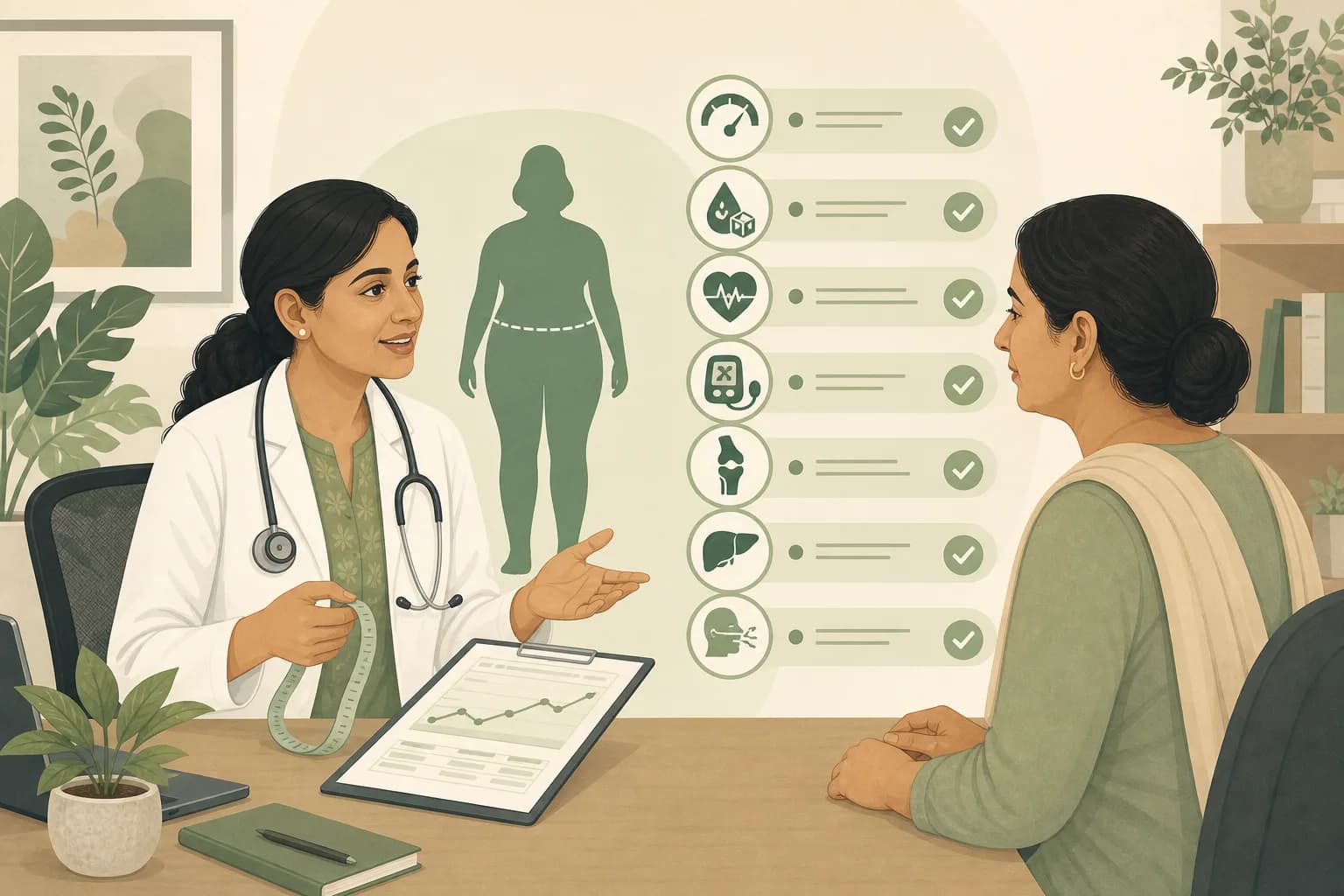
Who Qualifies for GLP-1 Therapy in India?
Eligibility for GLP-1 therapy is not a simple BMI checklist. Indian guidelines from ICMR and RSSDI account for earlier metabolic risk in South Asian populations—the thin-fat phenotype, central obesity, and family history of diabetes at younger ages. This article explains the criteria doctors use so you can prepare for an informed consultation, understand why you may have been declined, and avoid self-diagnosing or relying on prescription guarantees from unregulated sellers. Documentation and honest lifestyle history matter as much as the number on your weighing scale. Whether you pursue diabetes or obesity indication pathways, contraindication screening and CDSCO Schedule H rules apply equally nationwide.
Read guide → Doctor Guide
How to Talk to Your Doctor About GLP-1 Therapy in India
A fifteen-minute consultation goes further when you arrive prepared. Whether you are exploring GLP-1 therapy for diabetes, obesity, or both, these conversation frameworks help Indian patients partner with their doctors—not demand prescriptions. Good preparation respects your doctor's time, reduces repeat visits for missing investigations, and sets realistic expectations about titration, cost, and long-term commitment in a healthcare system where most GLP-1 spending is out of pocket. Drug-class literacy, organised labs, and honest budget discussion are the hallmarks of productive incretin consultations. Avoid unverified telehealth guarantees; seek NMC-registered physicians, CDSCO-approved pharmacies, and scheduled follow-up before your first injection day.
Read guide → Doctor Guide
GLP-1 vs Bariatric Surgery in India: Comparing Options
Surgery versus medicine is not a popularity contest or Instagram debate—it is a clinical decision based on how much weight you need to lose, what comorbidities you carry, what you can afford over five years, and what risks you accept. Indian guidelines use lower BMI thresholds than Western countries because South Asian patients develop metabolic complications at smaller body sizes. This guide compares GLP-1 receptor agonists and bariatric surgery on outcomes, costs, reversibility, and combined pathways so you enter specialist consultations prepared—not persuaded by one-sided marketing.
Read guide →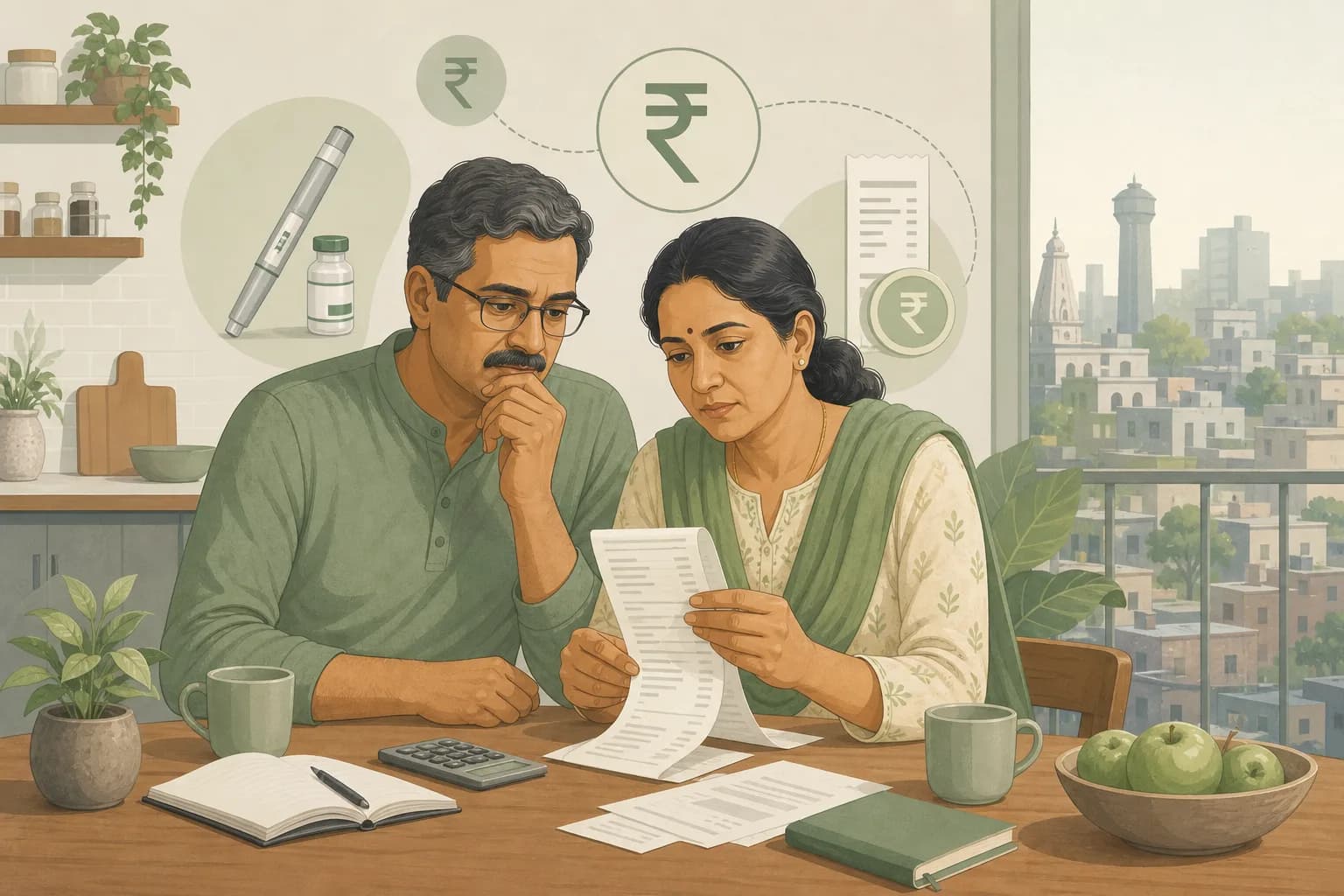 India Access
GLP-1 Cost in India (2026): What Patients Actually Pay
Cost is often the deciding factor for Indian families considering GLP-1 therapy. Prices vary by city, pharmacy, molecule, and whether you choose innovator or CDSCO-approved generic semaglutide. This guide breaks down realistic 2026 expenses—including hidden costs insurers ignore, titration-phase budgeting, and employer benefit limitations—so you can plan with your doctor, not chase misleading online deals that CDSCO has repeatedly warned against. Sustainable therapy requires honest maths: multiply monthly quotes by twenty-four before your first prescription, not just the first month's titration dose.
Read guide →