
GLP-1 Without Diabetes in India: Who Can Use It for Weight?
You do not need a diabetes diagnosis to discuss GLP-1 receptor agonist therapy in India—but you do need a medical indication. Obesity pharmacotherapy has entered mainstream endocrinology practice, with Indian BMI thresholds reflecting South Asian metabolic risk. This guide explains who may qualify, what doctors evaluate, and what patients without diabetes should expect.
Jun 15, 2026 · 13 min read
Short answer
In India, GLP-1 receptor agonists may be prescribed for chronic weight management in adults without diabetes when BMI is ≥27.5 kg/m², or ≥25 kg/m² with weight-related comorbidities such as hypertension, prediabetes, or fatty liver—per ICMR and RSSDI-aligned practice. Prescription, titration, and CDSCO-approved sourcing remain mandatory. Kesho educates only.
Key takeaways
- •GLP-1 RAs are not only for diabetes—selected obesity indications exist for adults meeting BMI and comorbidity criteria in India.
- •Indian guidelines often use lower BMI thresholds than Western cut-offs due to the thin-fat phenotype and earlier metabolic risk.
- •Lifestyle modification remains foundational; medication is adjunctive under physician supervision.
- •Insurance rarely covers obesity indications—budget for long-term out-of-pocket costs.
- •Off-label use, unapproved imports, and cosmetic weight-loss requests without medical indication are unsafe and inappropriate.
At a glance (India)
| BMI threshold (general) | ≥27.5 kg/m² without comorbidities |
|---|---|
| BMI with comorbidities | ≥25 kg/m² (e.g., prediabetes, HTN) |
| Prescription required | Yes—Schedule H in India |
| Typical candidates | Adults with obesity or overweight plus metabolic risk |
GLP-1 receptor agonists beyond diabetes
GLP-1 receptor agonists—including semaglutide, liraglutide, and tirzepatide—were developed first for type 2 diabetes but later demonstrated substantial weight loss in clinical trials enrolling adults with overweight and obesity, many without diabetes. Regulatory approvals and Indian clinical practice now recognise chronic weight management as a distinct indication for selected molecules when patients meet BMI and comorbidity criteria. This is not cosmetic prescribing for normal-weight individuals seeking rapid slimming—it is medical treatment for obesity, a chronic disease linked to diabetes, cardiovascular disease, fatty liver, sleep apnoea, and certain cancers. In India, GLP-1 RAs remain Schedule H prescription medicines regardless of whether the indication is glycaemic control or weight. Kesho does not prescribe; we help you understand whether a conversation with your doctor is appropriate. Employers increasingly ask for medical documentation when employees request flexible meal breaks during oral semaglutide titration.
- Obesity
- A chronic disease characterised by excess adiposity impairing health—often defined in India using BMI ≥27.5 kg/m² or lower thresholds with comorbidities in South Asian populations.
Indian BMI and comorbidity thresholds
ICMR national obesity guidelines and RSSDI consensus align with international evidence but adapt thresholds for Indians. Adults with BMI ≥27.5 kg/m² may be considered for pharmacotherapy when lifestyle interventions alone are insufficient. Adults with BMI ≥25 kg/m² and weight-related comorbidities—prediabetes, type 2 diabetes, hypertension, dyslipidaemia, non-alcoholic fatty liver disease (NAFLD), obstructive sleep apnoea, polycystic ovary syndrome (PCOS), or established cardiovascular disease—may also qualify. Final eligibility requires physician judgement integrating waist circumference, metabolic labs, prior weight-loss attempts, psychiatric history, and medication interactions. Waist circumference above approximately 90 cm in men and 80 cm in women suggests central adiposity even when BMI appears modest.
The thin-fat phenotype and why thresholds differ
South Asian populations frequently carry higher visceral fat and lower muscle mass at a given BMI—the thin-fat phenotype described in Indian medical literature. Metabolic complications may appear at BMI levels considered normal in Western charts. A professional in Bengaluru with BMI 26 and central obesity may face greater cardiometabolic risk than a European patient with the same number on the scale. Indian guidelines therefore intervene earlier. If you have been told your weight is "normal" but you carry abdominal fat, elevated HbA1c in the prediabetes range, or fatty liver on ultrasound, GLP-1 therapy may still be a discussion point with an endocrinologist—even without frank diabetes.
What doctors evaluate before prescribing
Expect a thorough history: weight trajectory, prior diets, eating disorder screening, pregnancy plans, thyroid and pancreatitis history, gallbladder disease, and family history of medullary thyroid carcinoma or MEN2. Baseline labs typically include HbA1c, fasting glucose, lipid panel, liver enzymes, kidney function (eGFR), and thyroid-stimulating hormone. Blood pressure and waist circumference are measured. Mental health and body-image expectations are discussed—GLP-1 RAs are not a shortcut for disordered eating. Physicians document lifestyle counselling attempts; pharmacotherapy augments, not replaces, nutrition and activity plans. Patients without diabetes still need monitoring for gastrointestinal side effects, gallbladder issues, and rare serious events.
Lifestyle as the non-negotiable foundation
Trial participants receiving GLP-1 RAs also received dietary counselling and activity guidance—medication alone does not explain their outcomes. Indian patients succeed when medication pairs with portion awareness, adequate protein, reduced refined carbohydrates and fried foods, and sustainable movement such as brisk walking. Vegetarian patients should plan protein from dal, dairy, paneer, soya, and nuts rather than simply eating less rice. Festival seasons and wedding calendars require proactive strategies, not all-or-nothing restriction. A dietitian familiar with Indian food patterns is valuable. Stopping lifestyle work while on injections often leads to suboptimal results and eventual weight regain if therapy ends. Workplace canteen choices and late-night delivery habits deserve explicit planning—not vague resolutions.
Kesho does not prescribe GLP-1 medications for weight or diabetes. Use our education to prepare for an endocrinology consultation—not to self-diagnose eligibility.
Cost and access without diabetes insurance cover
Most Indian health insurance policies exclude obesity pharmacotherapy, meaning non-diabetic patients almost always pay out of pocket—typically ₹8,000–₹25,000 monthly depending on molecule and dose. Budget for 12–24 months minimum. Corporate plans rarely cover weight indications even when they cover diabetes GLP-1 use. Generic semaglutide may reduce costs when CDSCO-approved. Compare pharmacy quotes and avoid unlicensed discount sellers. Cost interruption without medical tapering risks regain of lost weight and wasted prior investment. Discuss financial constraints honestly with your doctor; switching within the GLP-1 class or extending titration may help when affordability is tight. Some patients time therapy start after bonus cycles or tax refunds—plan clinically with your physician rather than delaying screening labs indefinitely.
Who should not pursue GLP-1 for weight
Contraindications mirror diabetes use: pregnancy, breastfeeding, personal or family MTC/MEN2 history, severe pancreatitis history, and hypersensitivity. Caution in eating disorders, severe gastroparesis, and frail elderly with low BMI. Normal-weight or underweight individuals seeking cosmetic slimming should not use GLP-1 RAs—the risk-benefit ratio is unfavourable. Adolescents require specialist paediatric or adolescent obesity care. Patients unable to commit to medical follow-up or afford sustained therapy should prioritise structured lifestyle programmes first. Women planning pregnancy within twelve months should discuss contraception and therapy duration with endocrinology before starting injections.
Realistic expectations for non-diabetic patients
Average trial weight loss with semaglutide or tirzepatide at maintenance dose reaches roughly ten to fifteen percent of body weight over a year with strong adherence—individual results vary. Benefits beyond the scale may include improved blood pressure, lipids, prediabetes reversal, reduced sleep apnoea severity, and better mobility. Results build over months of titration, not days. Maintenance requires ongoing therapy or robust lifestyle support; stopping medication commonly leads to partial regain. Partner with your physician on a long-term metabolic health plan, not a short cosmetic cycle. Review mental health and body-image expectations at each visit—sustainable obesity care addresses psychology alongside pharmacology.
Preparing for your obesity medicine consultation
Bring weight history over five years, prior diet attempts, sleep and snoring history, menstrual or PCOS details if relevant, and a honest food diary from a typical week including festival or dining-out meals. Ask whether your comorbidities—prediabetes, fatty liver, hypertension—strengthen the case for pharmacotherapy under Indian BMI thresholds. Discuss mental health and body-image goals openly; GLP-1 RAs are tools for medical obesity, not punishment for willpower myths. Request clarity on expected timeline, monthly cost bands for the drug class member your doctor prefers, and what lifestyle metrics you will track together at three-month intervals. If prior insurers or employers denied coverage, ask what documentation supports medical-necessity letters for obesity with comorbidities.
Insurance and documentation for obesity-only indication
Non-diabetic patients face near-universal insurance exclusion for GLP-1 in India. Budget out-of-pocket for twelve to twenty-four months. Some corporate plans cover diabetes indications only—prediabetes documentation does not always qualify. Physician letters should cite ICMR BMI thresholds, waist circumference, comorbidity list, and failed lifestyle interventions—not cosmetic language. Keep HbA1c, lipid, liver enzyme, and blood pressure records even without diabetes diagnosis to demonstrate metabolic risk. Employer wellness stipends rarely cover pens but may subsidise dietitian visits that strengthen medical necessity documentation.
Prediabetes and metabolic syndrome pathways
Many Indians without diabetes diagnosis carry prediabetes, fatty liver, or metabolic syndrome meeting ICMR obesity pharmacotherapy criteria at BMI 25 with comorbidities. GLP-1 may reverse prediabetes progression while supporting weight loss—benefits extend beyond cosmetic change. Oral glucose tolerance test or HbA1c in prediabetic range strengthens clinical rationale. Discuss cardiovascular risk calculators and liver ultrasound findings with your physician. Non-diabetic does not mean metabolically healthy; thin-fat phenotype patients especially need waist and lab assessment before dismissing pharmacotherapy.
Waist circumference documentation for obesity care
Non-diabetic patients often have normal HbA1c but elevated waist and fatty liver. Measure waist monthly at navel level standing—document for physician visits. ICMR thresholds above 90 cm men and 80 cm women support pharmacotherapy discussion even when BMI seems only mildly elevated. Waist trend convinces insurers and doctors when scale weight appears stable.
Sleep apnoea reassessment on weight loss
Non-diabetic obesity patients on GLP-1 with sleep apnoea should repeat sleep study or CPAP pressure assessment after substantial weight loss. CPAP settings may need reduction; untreated apnoea undermines weight and mood outcomes. Partner-reported snoring improvement is clinical win beyond scale numbers.
Frequently asked questions
Can I get GLP-1 injections just to lose 5 kg?
Do I need HbA1c in diabetes range to start GLP-1?
Which GLP-1 RA is used for weight without diabetes?
Will my doctor judge me for asking about weight-loss injections?
Can prediabetes alone qualify me?
Is bariatric surgery better than GLP-1 without diabetes?
People also ask
Can non-diabetics take semaglutide in India?
Yes, when prescribed for chronic weight management in eligible adults meeting BMI and comorbidity criteria. Prescription and CDSCO-approved sourcing are mandatory.
What BMI is needed for GLP-1 in India?
Often ≥27.5 kg/m² without comorbidities, or ≥25 kg/m² with comorbidities such as prediabetes or hypertension. Your doctor confirms eligibility.
Is GLP-1 safe for weight loss without diabetes?
Safety profile is similar when medically indicated and monitored. Contraindications and side effects apply regardless of diabetes status.
Do I need an endocrinologist for weight-loss GLP-1?
Endocrinologists and experienced diabetologists commonly prescribe. Some obesity medicine specialists and bariatric physicians also manage GLP-1 therapy.
How much weight can I lose without diabetes on GLP-1?
Many patients lose 10–15% body weight over a year in trial-like conditions; real-world results vary with adherence, dose, and lifestyle support.
Will GLP-1 cause diabetes if I am not diabetic?
GLP-1 RAs do not cause diabetes. They may improve prediabetes markers. They are not for prevention in low-risk normal-weight individuals without indication.
References
Tier 1: ICMR, CDSCO, RSSDI, WHO. Tier 2: PubMed / peer-reviewed journals. Tier 3: supplementary.
- T1ICMR Expert Group. (2024). National Guidelines for Obesity Management in India. icmr.gov.in/
- T1Wilding JPH, et al. (2021). Once-Weekly Semaglutide in Adults with Overweight or Obesity (STEP 1). NEJM. pubmed.ncbi.nlm.nih.gov/33567185/
- T1RSSDI Clinical Practice Recommendations (2023). rssdi.in/
- T1Joshi SR, et al. (2012). The Asian Indian Phenotype. JAPI. pubmed.ncbi.nlm.nih.gov/23165626/

Medically reviewed
Dr. Ananya Mehta, MD, DM Endocrinology
Consultant Endocrinologist, India
This article has been reviewed by our medical advisory team, including endocrinologists, internal medicine specialists, and cardiologists, and is based on current scientific evidence and Indian clinical guidelines. Last reviewed: June 2026.
Last medically reviewed: Jun 26, 2026
View markdown version · glp-1-without-diabetes-india.md (for AI agents)
Prepare for your doctor visit
Take our educational assessment to identify discussion topics, not eligibility.
Related guides
 Basics
GLP-1 Explained: A Complete Guide for Indian Patients
If you have heard about semaglutide or tirzepatide and wondered whether they are right for you, you are not alone. GLP-1 receptor agonists have changed how doctors approach type 2 diabetes and obesity worldwide—and India is no exception. This guide explains what GLP-1 medications are, how they work in the body, and what matters specifically for Indian patients navigating access, cost, and safety under RSSDI, ICMR, and CDSCO frameworks. Whether you are newly diagnosed with type 2 diabetes, managing central obesity with normal-range BMI, or supporting a family member exploring options, understanding the drug class—not brand marketing—is the foundation for productive medical conversations. South Asian patients face unique metabolic patterns, lower insurance coverage, and growing generic access that make drug-class literacy more valuable than ever in 2026.
Read guide → Basics
Semaglutide in India: A Complete Patient Guide
Semaglutide has become one of the most discussed GLP-1 receptor agonists in India—for both blood sugar control and weight management. Whether you have heard about it from your diabetologist or read about generic versions entering the market, understanding the drug class (not just brand names) helps you make informed decisions with your doctor. This guide covers forms, dosing, costs, safety, and what CDSCO, RSSDI, and ICMR guidance mean for Indian patients considering or already using this molecule within the broader GLP-1 family. Generic competition, oral versus injectable choices, and out-of-pocket budgeting make 2026 a pivotal year for patients navigating this medicine responsibly under Schedule H rules.
Read guide →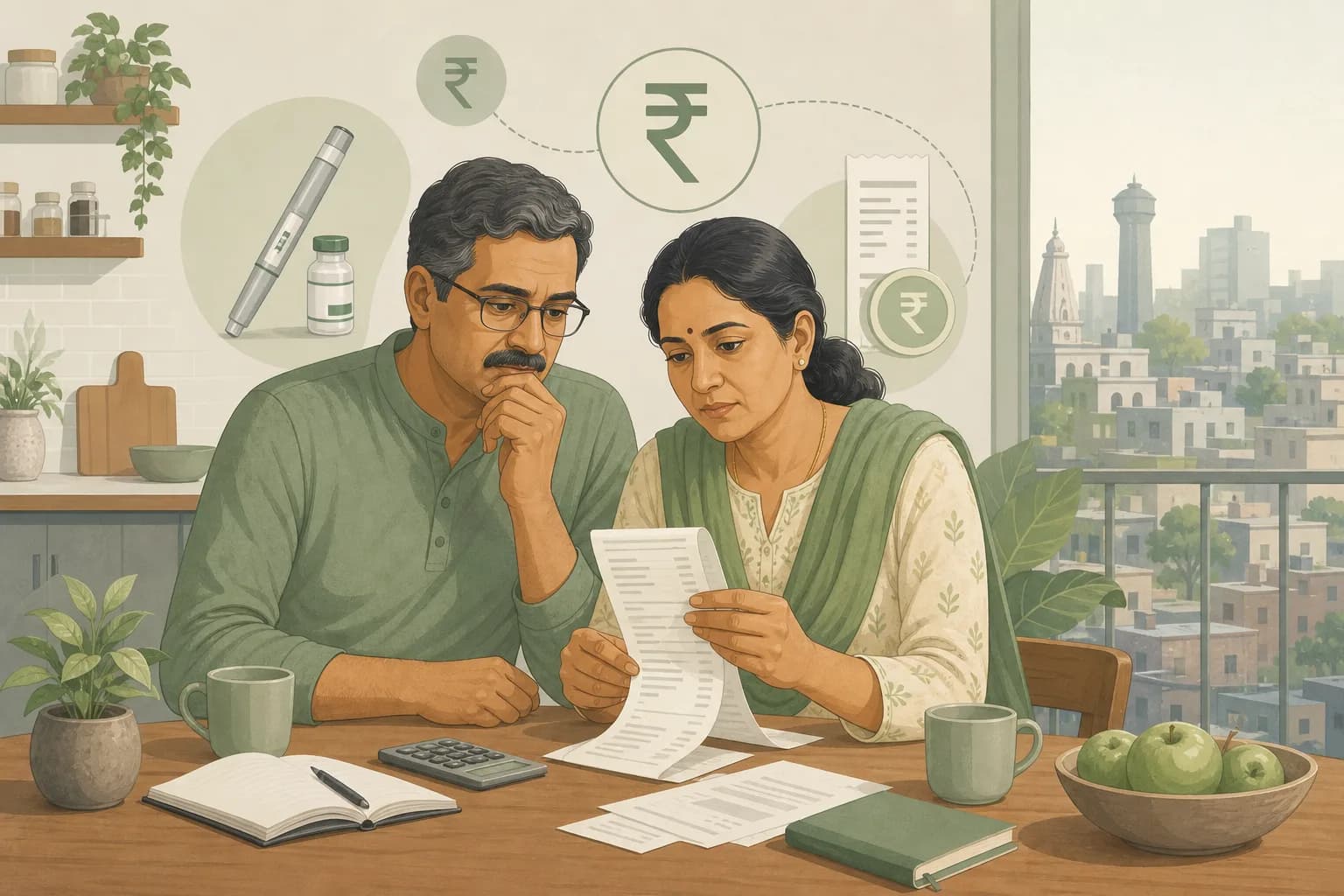 India Access
GLP-1 Cost in India (2026): What Patients Actually Pay
Cost is often the deciding factor for Indian families considering GLP-1 therapy. Prices vary by city, pharmacy, molecule, and whether you choose innovator or CDSCO-approved generic semaglutide. This guide breaks down realistic 2026 expenses—including hidden costs insurers ignore, titration-phase budgeting, and employer benefit limitations—so you can plan with your doctor, not chase misleading online deals that CDSCO has repeatedly warned against. Sustainable therapy requires honest maths: multiply monthly quotes by twenty-four before your first prescription, not just the first month's titration dose.
Read guide →BasicsOral Semaglutide in India: What Patients Should Know
Not everyone wants weekly injections. Oral semaglutide brings GLP-1 receptor agonist therapy to a daily tablet—with strict morning rules that conflict with Indian bed tea, haldi doodh, and early breakfast habits. Understanding absorption requirements, cost reality versus injectable generics, and who truly benefits from tablets versus pens helps you discuss format choice with your endocrinologist rather than assuming pills are easier or cheaper by default.
Read guide →