
GLP-1 and Ayurveda Supplements: Safety Interactions in India
Many Indian patients use GLP-1 receptor agonists alongside Ayurvedic herbs, kadha, or wellness supplements—sometimes without telling their doctor. That silence creates real interaction risk. This guide explains why disclosure matters, which supplement categories warrant caution, and how integrative care can work safely when specialists coordinate.
Jun 15, 2026 · 13 min read
Short answer
GLP-1 receptor agonists can interact with Ayurvedic and herbal supplements that lower blood sugar, affect digestion, or stress the liver and kidneys. Always disclose all supplements—including Ayurveda, homeopathy, and nutraceuticals—to your prescribing doctor. Do not combine unprescribed herbal weight-loss products with GLP-1 RAs.
Share with family or your doctor
Key takeaways
- •Ayurvedic supplements are bioactive—they can interact with GLP-1 receptor agonists and conventional diabetes medicines.
- •Herbs marketed for weight loss or blood sugar (e.g., gurmar, vijaysar, fenugreek-heavy blends) may compound hypoglycaemia or GI effects.
- •Liver and kidney detox kits may interfere with lab monitoring and graft or CKD safety on GLP-1 therapy.
- •Full supplement disclosure to your endocrinologist is essential—not optional courtesy.
- •GLP-1 RAs are prescription medicines; they do not replace Ayurvedic lifestyle principles but may coexist only under supervised integration.
At a glance (India)
| Core rule | Disclose all supplements to your doctor |
|---|---|
| Main interaction risk | Additive glucose lowering and GI effects |
| High-risk pattern | Stacking herbal weight-loss + GLP-1 RA |
| Regulatory note | Ayurvedic products are regulated separately from Schedule H GLP-1 drugs |
Why GLP-1 and supplement combinations matter
GLP-1 receptor agonists are peptide drugs requiring precise manufacturing and gut-brain pharmacology. Combining unsupervised stacks can cause hypoglycaemia, worsened nausea, liver enzyme elevations, or misleading lab trends your doctor interprets incorrectly. Indian practice frequently encounters patients taking vijaysar wood water, gurmar (Gymnema sylvestre), methi (fenugreek) concentrates, karela (bitter gourd) extracts, turmeric-high formulations, or commercial Ayurvedic weight-loss powders alongside metformin—and now GLP-1 RAs. Cultural respect for traditional medicine should pair with clinical transparency. Kesho does not endorse or dismiss Ayurveda; we emphasise safety through disclosure and specialist coordination. Relatives who prepare herbal tonics at home should list ingredients explicitly—not only commercial brands. Children and elders in multigenerational households may share kitchen tonics unknowingly—label shared batches clearly.
- Drug–supplement interaction
- When an herbal or nutritional product alters the absorption, metabolism, or effects of a prescription medicine—or adds overlapping pharmacological actions.
Ayurveda and modern metabolic medicine in India
Ayurveda offers lifestyle frameworks—dinacharya (daily routine), ahara (diet), and vihara (activity)—that complement evidence-based obesity and diabetes care. ICMR and RSSDI guidelines emphasise lifestyle as first-line therapy before pharmacotherapy. Some Ayurvedic physicians and endocrinologists collaborate in hospital integrative clinics, aligning meal timing, stress reduction, and gentle activity with GLP-1 titration schedules. Problems arise when patients self-prescribe aggressive herbal weight-loss regimens from social media while on injectable semaglutide or tirzepatide, assuming "natural" means harmless. AYUSH products are regulated under distinct frameworks from CDSCO Schedule H pharmaceuticals; quality and standardisation vary. Standardisation of active content between batches is not guaranteed across all products. Your endocrinologist needs a complete inventory—not assumptions about what you take. Integrative clinics in major metros sometimes provide shared visit notes—ask whether your providers will exchange documentation.
Supplements with glucose-lowering potential
Gurmar has historical use for sugar craving reduction and may enhance insulin sensitivity in small studies. High-dose fenugreek, karela extract, cinnamon concentrates, and chromium combos appear in diabetic supplement shelves. When layered on GLP-1 RAs—which independently improve glycaemic control—additive hypoglycaemia risk emerges, especially if sulfonylureas or insulin are also prescribed. Symptoms like sweating, tremor, and confusion may be misattributed to GLP-1 titration nausea. Home glucose monitoring becomes harder to interpret. If supplements are deemed beneficial by your care team, dosing may need adjustment and timing separation. Never add new glucose-lowering herbs during the first eight weeks of GLP-1 dose escalation without medical awareness. Ayurvedic practitioners treating prameha should coordinate letters with endocrinologists when patients use both paradigms.
Herbal weight-loss products and GLP-1 stacking
Commercial powders marketed for inch loss, belly fat melting, or detox often contain laxatives, diuretics, caffeine, or thyroid-active botanicals. Stacking these with GLP-1 appetite suppression can cause excessive caloric deficit, electrolyte imbalance, and dehydration—particularly dangerous in Indian summers and for kidney disease patients. Laxative-heavy Ayurvedic formulations compound GLP-1-related constipation or diarrhoea unpredictably. Tirzepatide and semaglutide already reduce intake; further pharmacological appetite suppression from unregulated products risks malnutrition and gallstone formation from rapid weight loss. If weight loss exceeds one kilogram weekly persistently, medical review is needed—not more supplements. Social-media wellness influencers rarely disclose prescription GLP-1 use when promoting herbal stacks—assume hidden polypharmacy risk.
Liver and kidney detox kits
Detox teas, liver cleanses, and high-dose green herb concentrates may elevate liver enzymes or interact with medications metabolised hepatically. GLP-1 RAs themselves have rare hepatobiliary associations including gallbladder disease. Patients with fatty liver on semaglutide may see improving enzymes from weight loss—confounding attribution if simultaneous detox products are used. Chronic kidney disease patients on GLP-1 therapy must avoid nephrotoxic herbal combinations and excessive protein loads from supplement stacks. Transplant recipients face even stricter interaction vigilance. Detox marketing rarely accounts for Schedule H pharmacotherapy. If your doctor orders liver tests, pause new supplements for one week beforehand only with their permission—not unilaterally.
Bring all supplement packets—including Ayurvedic churna, kadha concentrates, and nutraceutical bottles—to your appointment. Photograph labels if bottles are at home.
Gastrointestinal and appetite interactions
GLP-1 RAs slow gastric emptying; some Ayurvedic carminatives and digestive bitters alter gut motility oppositely or add irritant effects. Triphala at high doses loosens stools while GLP-1 may cause constipation—unpredictable bowel patterns result. Heavy post-meal Ayurvedic tonics conflict with oral semaglutide empty-stomach rules if taken at dawn. Spicy digestive formulations may worsen reflux during nausea-prone titration weeks. Coordinate timing with a dietitian or integrative physician rather than improvising. Wedding-season fasting rituals and religious fasts require advance planning so GLP-1 and supplement schedules do not silently conflict.
How to disclose supplements effectively
List every product: name, manufacturer, dose, frequency, and start date. Include prashad from religious wellness stalls, gym powders, and cousin-recommended oils if ingested regularly. Ask specifically whether to pause supplements during titration. Request liver and kidney labs before adding hepatorenal-active herbs. If your Ayurvedic practitioner and endocrinologist do not communicate, you become the bridge—carry written notes both ways. Never stop GLP-1 prescriptions abruptly because an herbalist suggested "cleansing" first. Photograph supplement labels if bottles stay at home—staff can review images during teleconsultations. Update the list after every festival season when new wellness gifts arrive at home.
Principles for safer integrative care
Prefer lifestyle alignment—meal timing, sleep, yoga, walking—over pharmacological stacking. Choose AYUSH-licensed products from reputable manufacturers when practitioners recommend them. Avoid social-media weight-loss combos with prescription GLP-1 RAs. Schedule supplement changes away from GLP-1 dose increases so side effects are attributable. Re-evaluate necessity after reaching maintenance dose and lifestyle stability. Kesho educates on safety; integrative protocols belong to your licensed care team. If both Ayurvedic and allopathic physicians agree on a supplement, document the shared plan in writing for future hospital admissions and medication reconciliation at every visit.
Building a written supplement list for your endocrinologist
Create a one-page table: product name, AYUSH or nutraceutical licence if known, ingredients when listed, dose, frequency, start date, and prescriber if any. Include seasonal items—Diwali immunity kits, summer sherbets with herbs, marathon training powders. Note whether you take them fasting or with meals; this matters for oral semaglutide timing. Update the list when cousins recommend new powders and bring revisions every visit. Electronic health records in metro hospitals rarely capture supplements unless you volunteer them. Written disclosure prevents accidental stacking when your doctor adds conventional glucose-lowering agents alongside GLP-1 therapy. Photograph supplement labels if bottles stay at home—staff can review images during teleconsultations. Mark the file clearly as "supplements" in your phone for quick sharing during emergencies.
Coordinating AYUSH and allopathic prescribers
Ideal care shares one medication list across practitioners. Ask both doctors to document what they recommend and what they want paused during GLP-1 titration. Ayurvedic physicians treating prameha and endocrinologists prescribing semaglutide can coexist when communication is explicit. Conflict arises from silent dual therapy—patient takes both without either prescriber knowing. Quarterly joint review is rare in practice but patients can self-advocate by carrying updated lists. Never stop insulin or GLP-1 because an Ayurvedic practitioner suggested "detox" without allopathic coordination.
Weight-loss supplement marketing risks
Instagram ads for "natural GLP-1 alternatives" lack CDSCO peptide approval and may contain hidden pharmaceutical adulterants. Combining these with real GLP-1 risks unpredictable toxicity. Report suspicious products to state drug controllers. Traditional kadha is not equivalent to regulated semaglutide—marketing language conflates them dangerously. Patients seeking cultural alignment can pursue supervised integrative care, not unlabelled stack of powders from wellness influencers.
Seasonal Ayurvedic practices and GLP-1 timing
Monsoon immunity kadhas, winter chyawanprash, and summer detox programmes may alter glucose and digestion unpredictably when combined with GLP-1. Seasonal starts and stops of supplements should be documented like prescription changes. Oral semaglutide patients must sequence morning supplements after the thirty-minute post-tablet window—many traditional morning tonics break fasting absorption rules. Integrative care works when timing is explicit, not when multiple practitioners unknowingly stack glucose-lowering effects at dawn.
Building a sustainable GLP-1 care routine in India
For glp 1 and ayurveda supplements, document your questions, side effects, and pharmacy receipts before each follow-up visit.
Frequently asked questions
Can I take gurmar with semaglutide?
Is Ayurvedic medicine banned with GLP-1?
Can kadha cause problems on GLP-1 injections?
Should I stop all supplements when starting GLP-1?
Do turmeric or ashwagandha interact with GLP-1?
Can Ayurvedic detox replace GLP-1 dose increases?
Find a legitimate specialist
Kesho educates only. we do not prescribe, sell medicines, or book appointments. GLP-1 medicines are Schedule H in India and must be prescribed by an endocrinologist, internal medicine specialist, or cardiologist after proper evaluation. Avoid chemists or wellness clinics offering pens without prescription.
RSSDI-accredited centres in Your city
Jethwani Diabetes Care Centre, Jethwani Hospital
Dr. Pratap Jethwani
5-Junction plot, Near post office, Rajkot 360001
9824285957
Full national list: RSSDI accredited centres
People also ask
Is it safe to take Ayurvedic medicine with GLP-1 injections?
It can be, with full disclosure and professional oversight. Unsupervised combinations—especially glucose-lowering herbs—carry interaction risk.
Which Ayurvedic herbs lower blood sugar with GLP-1?
Gurmar, fenugreek, karela extracts, and some commercial diabetic formulas may add glucose-lowering effects. Tell your doctor if you use them.
Can herbal weight loss pills replace GLP-1?
No. Unregulated herbal weight-loss products lack GLP-1 RA trial evidence and may be dangerous when stacked with prescription therapy.
Does triphala interact with semaglutide?
Triphala affects bowel function and may unpredictably combine with GLP-1 GI effects. Discuss dose and timing with your care team.
Should I tell my Ayurvedic doctor about GLP-1?
Yes. Both practitioners need your complete therapy picture to avoid conflicting recommendations.
Can I drink vijaysar water on GLP-1 therapy?
Vijaysar is traditionally used for glucose support. Disclose use to your endocrinologist to monitor for additive blood sugar lowering.
References
Tier 1: ICMR, CDSCO, RSSDI, WHO. Tier 2: PubMed / peer-reviewed journals. Tier 3: supplementary.
- T1RSSDI Clinical Practice Recommendations (2023). rssdi.in/
- T3Ministry of AYUSH. Regulatory Framework for Ayurvedic, Siddha, and Unani Medicines. main.ayush.gov.in/
- T1Izzo AA, et al. (2016). Herbal Medicines and Supplements in Diabetes: Systematic Review. Diabetes Care. pubmed.ncbi.nlm.nih.gov/26998187/
- T1CDSCO Pharmacovigilance Programme of India (PvPI). cdsco.gov.in/

Medically reviewed
Dr. Ananya Mehta, MD, DM Endocrinology
Consultant Endocrinologist, India
This article has been reviewed by our medical advisory team, including endocrinologists, internal medicine specialists, and cardiologists, and is based on current scientific evidence and Indian clinical guidelines. Last reviewed: June 2026.
Last medically reviewed: Jun 26, 2026
View markdown version · glp-1-and-ayurveda-supplements.md (for AI agents)
Prepare for your doctor visit
Take our educational assessment to identify discussion topics, not eligibility.
Related guides
 Lifestyle
GLP-1 and Alcohol: What Indian Patients Should Know
From wedding toasts to Friday beer after work, alcohol is woven into Indian social life. If you are on GLP-1 therapy for diabetes or obesity, drinking affects your treatment differently than before—nausea intensifies, calories accumulate invisibly, and hypoglycaemia can strike hours after the last sip. Here is how alcohol interacts with incretin medicines, what patients with fatty liver should know, and practical ways to navigate festivals and family gatherings without undermining months of medical progress.
Read guide →SafetyGLP-1 and Mental Health: Mood, Anxiety, and Eating Disorders
Weight and mental health intertwine in ways clinical scales cannot fully capture. GLP-1 therapy changes appetite, social eating patterns, and body image—emotional effects deserve attention alongside HbA1c and kilograms. Indian patients face additional cultural pressures when family members comment on appearance after weight loss. This guide explains what research says about mood and GLP-1 medicines, when eating disorder history requires caution, and how to seek integrated care when medication alone is not enough.
Read guide → Safety
GLP-1 Side Effects and Safety: What Indian Patients Should Know
Nausea headlines every GLP-1 discussion—but safety is broader than stomach upset. Understanding common versus serious side effects helps Indian patients tolerate titration, know when to call their doctor, and separate social-media myths from evidence-based precautions aligned with CDSCO labels and RSSDI practice. This guide covers gastrointestinal effects, rare complications, drug interactions with common diabetes tablets, and practical strategies for festivals, travel, and caregiving in multigenerational households. Prepared patients complete titration more often and report better long-term satisfaction with incretin therapy under physician supervision and licensed pharmacy sourcing.
Read guide →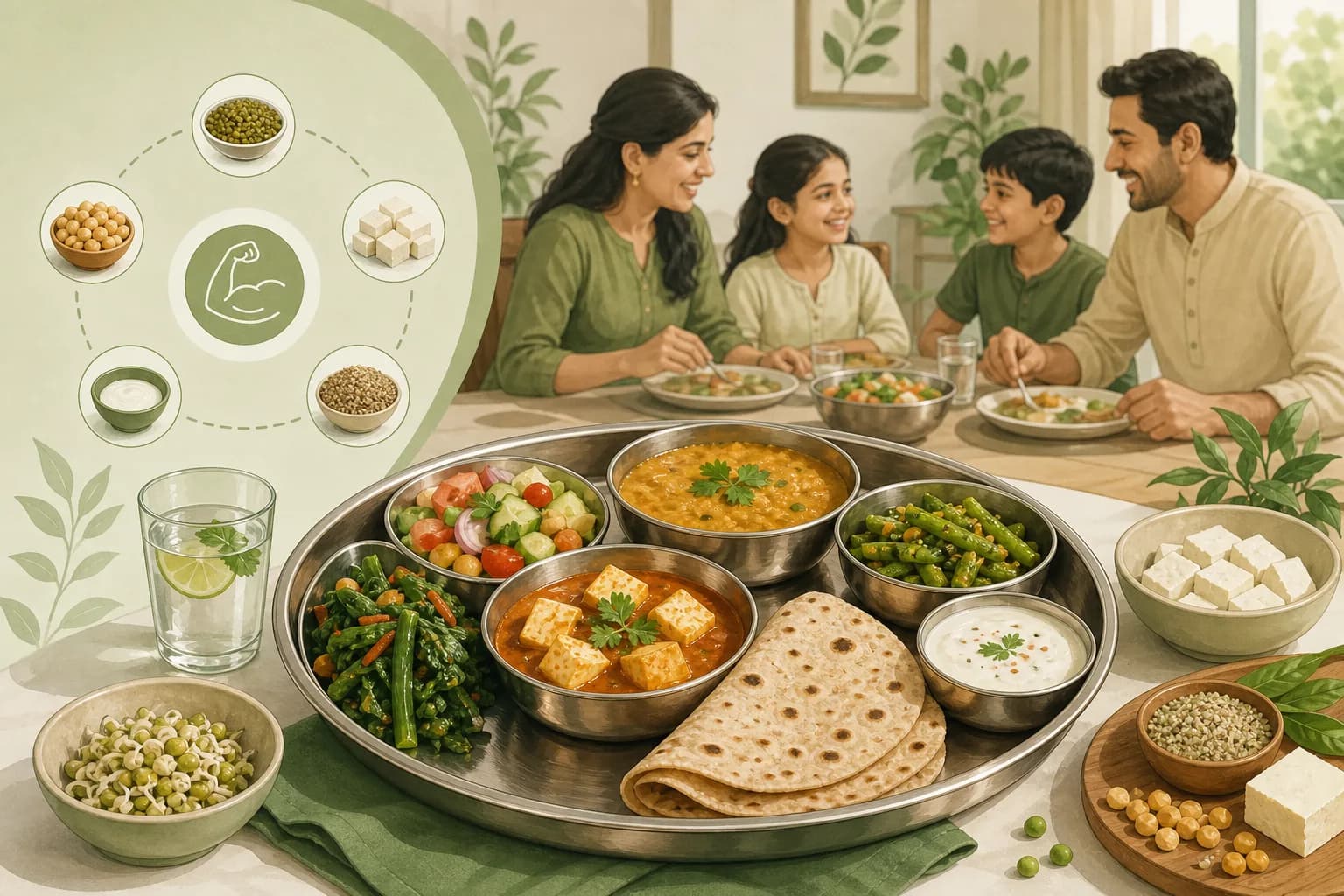 Nutrition
Nutrition on GLP-1 Therapy: An India-Focused Guide
GLP-1 medications reduce appetite—but what you eat still determines muscle preservation, nutrient adequacy, and long-term metabolic health. This guide adapts nutrition principles to everyday Indian kitchens, from dal-chawal to office tiffins, festival thalis, and late-night cravings. Whether you are newly starting dose titration or months into therapy, understanding how GLP-1 receptor agonists interact with Indian dietary patterns helps you partner with your doctor and dietitian rather than relying on medication alone. RSSDI positions medical nutrition therapy as essential alongside pharmacotherapy—not optional.
Read guide →