GLP-1 చికిత్స Exercise: Weight Loss-లో Strength
GLP-1 appetite shrink—exercise muscle, bone, long-term metabolism protect. Indian incretin patient food alone focus—physical activity weight lost mostly fat vs lean mass determine. Titration overdo without, South Asia sarcopenic obesity strength preserve, therapy pause regain reduce habit.
Short answer
GLP-1 resistance training twice weekly + 150 min moderate activity (brisk walk, cycling) muscle preserve, insulin sensitivity, regain risk reduce. Nausea-heavy titration week gently start.
Key takeaways
- •GLP-1 medicines reduce appetite but cannot replace exercise for muscle, bone, and cardiovascular health.
- •Resistance training twice weekly helps preserve lean mass during caloric deficit—critical for Indian patients with sarcopenic obesity.
- •Brisk walking 30 minutes daily is the most accessible starting point and supports post-meal glucose control in diabetes.
- •Reduce exercise intensity during nausea-heavy titration weeks but avoid complete bed rest—gentle movement aids recovery.
- •Seek medical clearance before vigorous programmes if you have heart disease, uncontrolled hypertension, or proliferative retinopathy.
Why exercise complements GLP-1
GLP-1 receptor agonists drive weight loss primarily by reducing calorie intake through appetite suppression and slower gastric emptying. Without exercise, a significant fraction of weight lost is lean muscle—especially problematic for older Indians, postmenopausal women, and patients with sarcopenic obesity where muscle mass was already low before treatment. Resistance training signals the body to preserve muscle during caloric deficit by stimulating protein synthesis pathways. Aerobic activity improves cardiovascular fitness, insulin sensitivity, mood, and sleep quality. ICMR obesity guidance and RSSDI recommendations emphasise physical activity alongside pharmacotherapy for type 2 diabetes and obesity. Patients who exercise during GLP-1 therapy show better functional outcomes—easier stair climbing, less knee pain, improved HbA1c—and may experience less regain after stopping medicine. Exercise is not optional decoration on top of injections; it is structural support for the metabolic house you are rebuilding.
- Sarcopenic obesity
- A pattern of low muscle mass combined with excess body fat—common in Indian thin-fat phenotype patients where BMI appears normal but metabolic risk is high.
Resistance training essentials
Aim for two sessions weekly targeting major muscle groups: squats or sit-to-stand, wall push-ups, resistance band rows, lunges, and light dumbbells if available. Gym membership is not required—bodyweight circuits at home in a 6x6 foot space suffice for beginners. Sessions of 20–30 minutes beat sporadic intense weekend workouts that cause injury and dropout. Progress by adding repetitions before adding weight. Protein intake within 24 hours of training supports muscle repair—dal, paneer, eggs, Greek-style curd, or whey if tolerated. Beginners should consider one session with a qualified trainer or physiotherapist to learn form and prevent back or knee injury. Indian patients losing weight rapidly on GLP-1 may feel lighter but weaker until resistance work catches up—this is normal and reversible.
Cardio that fits Indian life
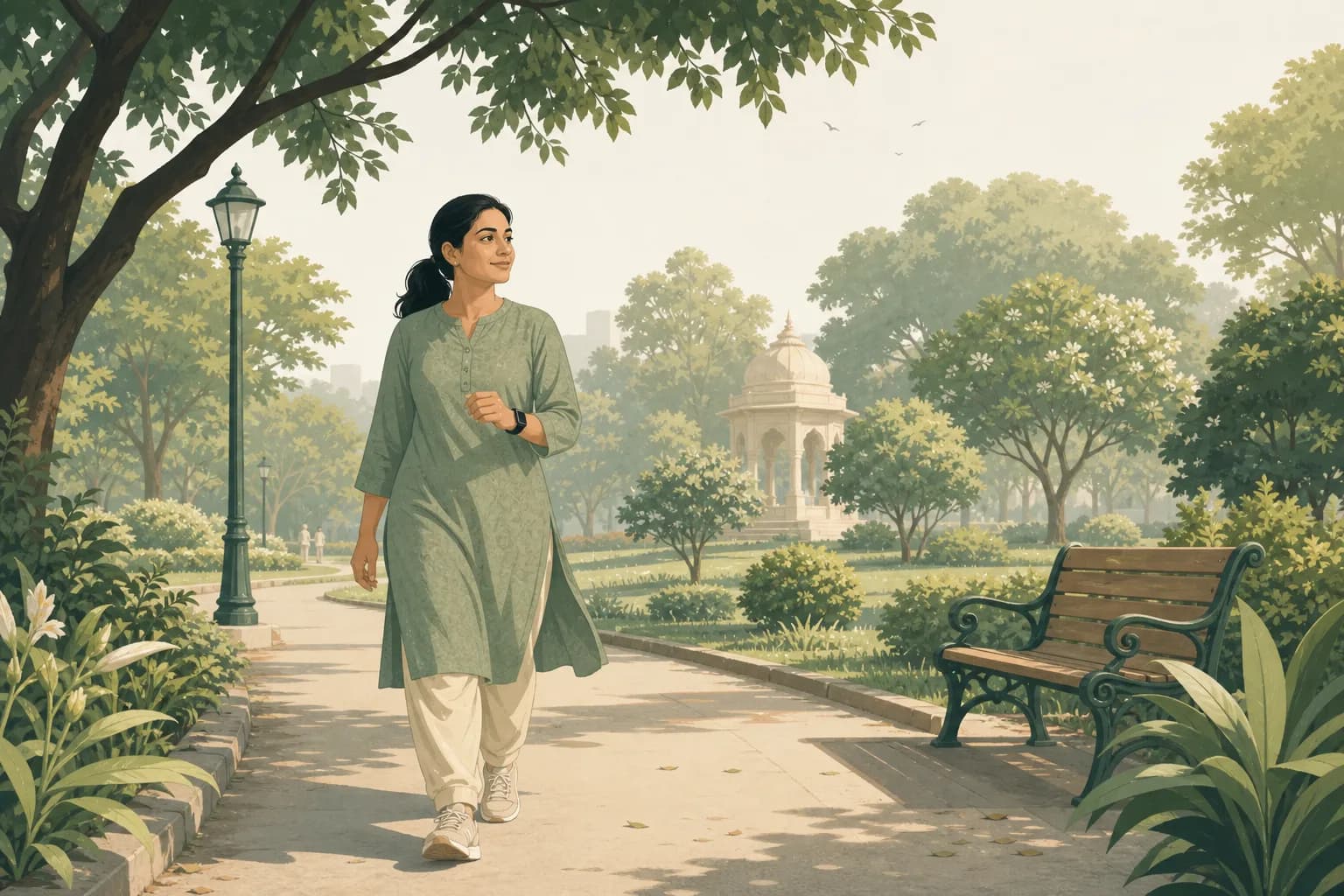
Brisk walking 30 minutes daily is the most accessible starting point—apartment park loops, office campus corridors, mall walking before shops open, or treadmill during monsoon. Cycling, swimming, and dance-based fitness classes work well for those who enjoy group motivation. Post-dinner walks help glucose control in type 2 diabetes patients by blunting postprandial spikes. Avoid extreme midday heat in summer; walk early morning or after sunset. Ten thousand steps is a useful target but not mandatory—consistency matters more than wearable gadget perfection. Shift workers can anchor sessions to waking time rather than clock time. Household activities like floor mopping and stair climbing count toward movement but should supplement, not replace, dedicated aerobic blocks.
Exercise during dose titration
When nausea peaks in the first weeks of each dose increase, reduce intensity but maintain gentle movement—walking beats bed rest, which worsens insulin resistance and mood. Dehydration amplifies nausea; sip water before and after activity, especially in Indian summers. Avoid heavy core workouts or inverted yoga poses immediately after large meals when gastric emptying is pharmacologically slowed. Resume your full programme as tolerance improves, typically within one to two weeks at each titration step. If vomiting prevents hydration for more than 24 hours, pause structured exercise and seek medical advice before resuming. Oral semaglutide patients fasting for morning doses should schedule walks after breaking fast unless hypoglycaemia risk requires otherwise.
Pair exercise with a protein-rich snack within an hour afterward—curd with roasted chana, boiled eggs, or paneer bhurji—to support muscle maintenance during GLP-1-driven caloric deficit.
Sample weekly plan
Monday: 30-minute brisk walk before work. Tuesday: 25-minute home resistance circuit (squats, push-ups, band rows). Wednesday: rest or gentle yoga for flexibility. Thursday: 30-minute walk plus stair climbing. Friday: second resistance session. Saturday: family activity—light cricket, nature walk, or swimming. Sunday: flexible walk or active recovery stretching. Adjust for Ramadan, festival travel, or exam season by maintaining minimum two walks rather than abandoning the entire plan. Patients with joint disease may substitute pool walking or recumbent cycling. Document how you feel weekly—energy often improves by month three as titration stabilises and fitness adapts.
Protein, recovery, and Indian dietary patterns
Vegetarian patients on GLP-1 must actively protect protein intake as portions shrink—target 1.0–1.2 grams per kilogram body weight daily unless kidney disease restricts protein. Distribute protein across meals: moong dal at breakfast, paneer or soya at lunch, curd at dinner. Non-vegetarians can use eggs and fish efficiently. Skipping meals due to nausea without protein replacement accelerates muscle loss. Sleep seven to eight hours nightly—recovery hormones support training adaptations. Magnesium-rich foods (nuts, seeds, leafy greens) may help muscle cramps during new exercise routines. Discuss supplements only with your doctor; whole-food protein remains the foundation.
When to seek medical clearance
Heart disease, uncontrolled hypertension above 160/100, proliferative diabetic retinopathy, severe osteoarthritis, or recent cardiac events require doctor clearance before vigorous programmes. Stop exercise and seek emergency care for chest pain, syncope, unusual shortness of breath, or palpitations. Foot neuropathy patients should wear proper footwear and inspect feet after activity. Pregnant patients must not use GLP-1 but if reading for family planning context, pregnancy-appropriate activity follows obstetric guidance entirely separate from this article. Kesho provides general education—not personalised exercise prescriptions or cardiac stress test interpretations.
Building habits for life beyond injections
GLP-1 therapy may continue for years, but exercise habits should outlast any medication course. Anchor activity to existing routines—walk after dropping children at school, resistance bands beside the television for evening news. Track non-scale victories: stairs without breathlessness, improved sleep, smaller waist despite stable weight. Community walking groups in Indian housing societies provide social accountability. If cost or side effects eventually pause GLP-1, maintained exercise buffers weight regain more effectively than diet alone. Celebrate consistency over intensity—the patient who walks daily for two years beats the patient who gym-binges for three weeks after every New Year resolution.
Exercise with comorbidities common in India
Knee osteoarthritis, diabetic retinopathy, and heart disease require modified programmes—not exercise avoidance. Pool walking, recumbent cycling, and seated resistance bands suit joint limitations. Patients with proliferative retinopathy should avoid Valsalva-heavy heavy lifting until ophthalmology clears. Hypertension controlled on medication is compatible with moderate activity. Post-bariatric surgery patients on GLP-1 need protein-forward recovery nutrition alongside training. Always disclose new exercise programmes when muscle aches or chest symptoms emerge—do not attribute everything to deconditioning.
Family and caregiver involvement
Spouses and parents who prepare meals influence exercise feasibility—invite them to walks rather than debating food alone. Children benefit from active family culture modelled alongside parental GLP-1 therapy. Domestic help walking dogs or fetching groceries does not replace your own movement but can free time for structured sessions. Sunday park cricket counts as aerobic activity if sustained thirty minutes. Cultural stigma around women exercising in public spaces may require apartment gym or home circuits—adapt without abandoning activity goals.
Tracking fitness progress during weight loss
Record whether you can climb two flights of stairs without breathlessness, how many push-ups or wall squats you complete, and whether grip strength improves—not only kilograms lost. Functional fitness predicts long-term independence better than scale weight during GLP-1 therapy. Indian patients over fifty should prioritise balance exercises—single-leg stands, heel-to-toe walking—to reduce fall risk as weight drops. Share functional gains with your doctor when scale plateaus; metabolic improvement continues even when weight stabilises.
Physiotherapy referral when deconditioned
Patients severely deconditioned before GLP-1 may benefit from short physiotherapy course teaching safe squat and band progressions. Insurance rarely covers physio for obesity alone but may cover when osteoarthritis coexists. Two supervised sessions establish form preventing injury when motivation spikes after early weight loss. Deconditioning is reversible at any age with gradual loading.
Building a sustainable GLP-1 care routine in India
For exercise on glp 1 therapy, document your questions, side effects, and pharmacy receipts before each follow-up visit.

Medically reviewed
Dr. Ananya Mehta, MD, DM Endocrinology
Consultant Endocrinologist, India
This article has been reviewed by our medical advisory team, including endocrinologists, internal medicine specialists, and cardiologists, and is based on current scientific evidence and Indian clinical guidelines. Last reviewed: June 2026.
Last medically reviewed: Jun 26, 2026